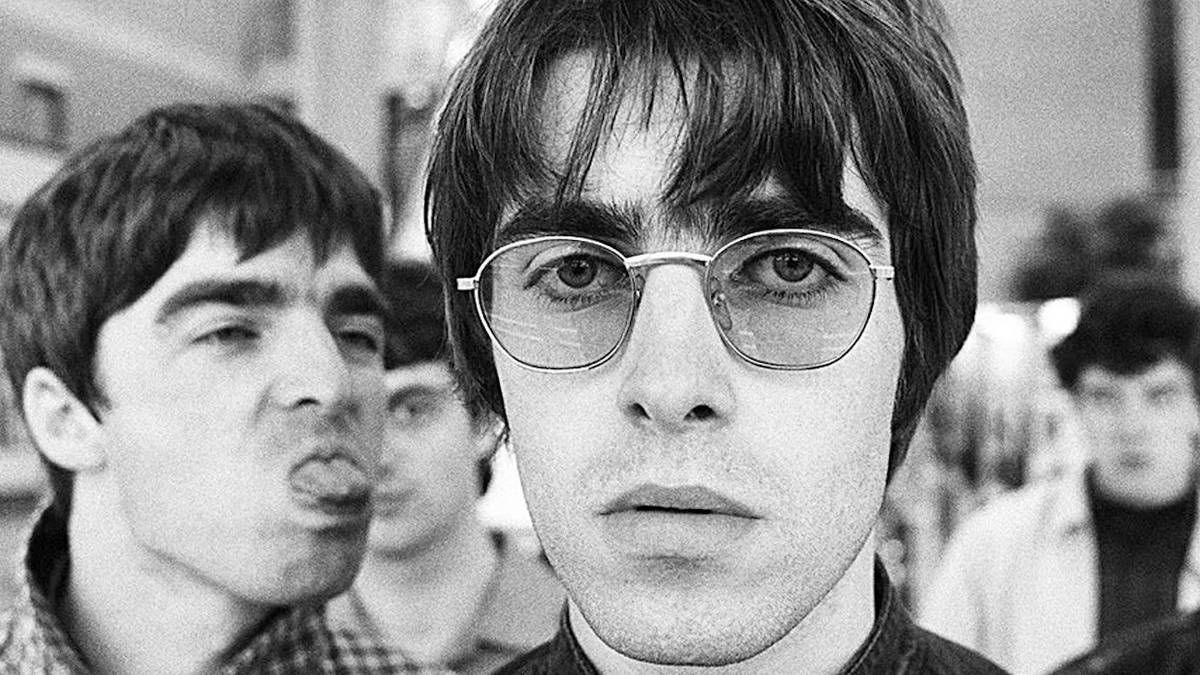
When we think of 1980s music, images of Cyndi Lauper's colorful hair, Depeche Mode's synth-pop, and Bon Jovi's big hair often come to mind. MTV turned Madonna and Michael Jackson into global superstars, while one-hit wonders like A-ha and Falco flashed by like shooting stars. But beneath this pop-dominated surface, a quieter revolution was unfolding: classic rock acts from the 1960s and 1970s were staging remarkable comebacks, and their resurgence reshaped the decade's musical landscape.
The Comeback That Started It All
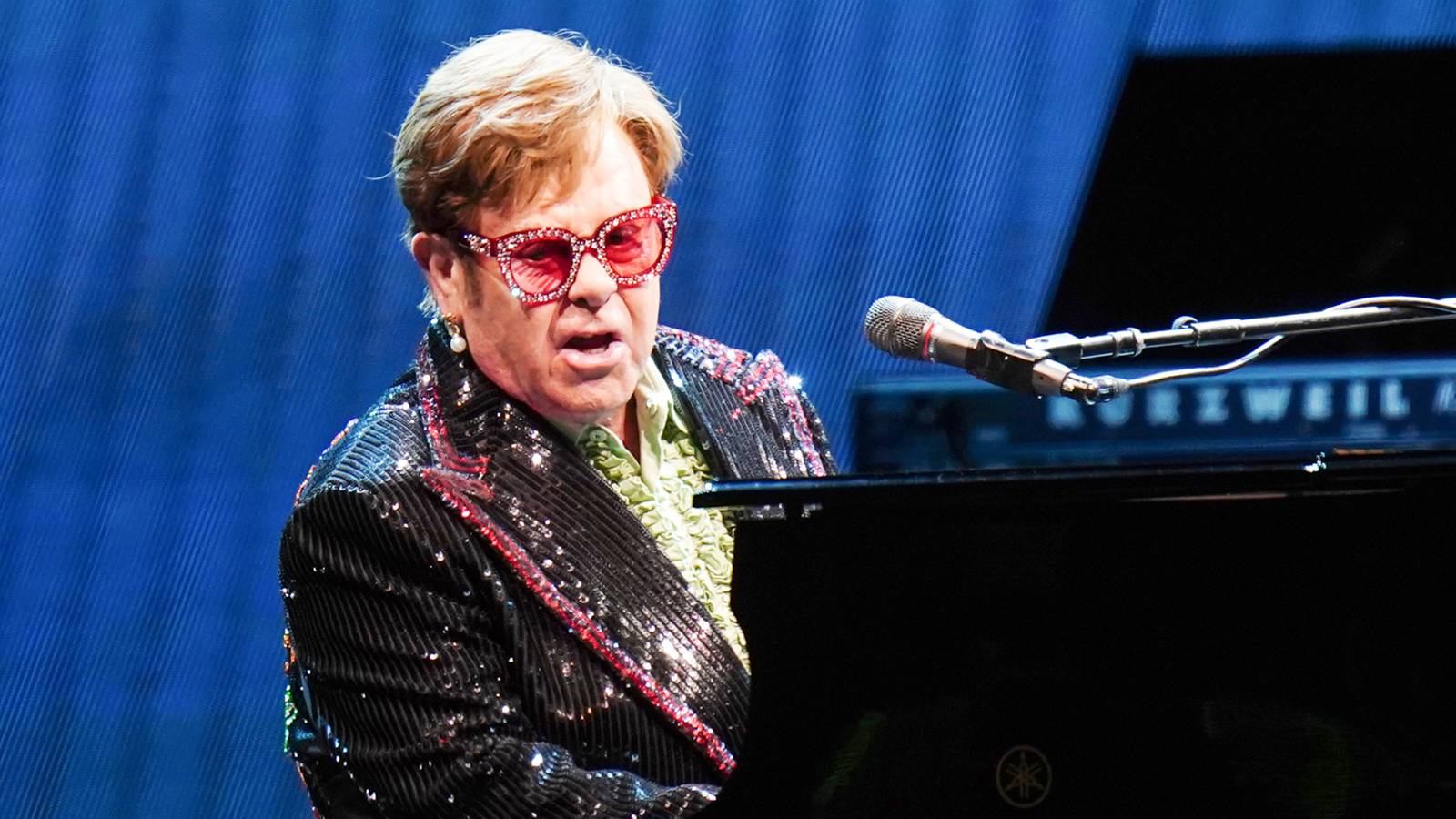
Many point to Tina Turner as the spark that ignited this trend. After years of struggling solo albums following her divorce from Ike Turner, she re-emerged in 1984 with Private Dancer. The album sold over 12 million copies worldwide, won four Grammys, and finally gave the 'Queen of Rock n' Roll' the fame she deserved. That same year, Bruce Springsteen, Van Halen, Elton John, and Paul McCartney all released some of their strongest work in years—McCartney even teamed up with Michael Jackson on hits like 'Say Say Say.'
The Explosion of 1986
If 1984 was the warm-up, 1986 was the main event. Steve Winwood scored with 'Higher Love,' The Moody Blues returned with 'Your Wildest Dreams,' and Peter Gabriel dropped the iconic album So. Even Gabriel's former band, Genesis, roared back with Invisible Touch, while Phil Collins became a solo superstar. Iggy Pop, ZZ Top, The Beach Boys, Paul Simon, and Aretha Franklin all joined the wave. Perhaps most symbolically, Run-DMC's cover of Aerosmith's 'Walk This Way' revived a band that had been written off after their 1985 flop Done with Mirrors.
Why Did These Legends Return?
Several factors fueled this resurgence. First, new technology—synthesizers, samplers, and drum machines—allowed veteran artists to experiment and update their sound. Acts like Talking Heads, The Cars, and Rush embraced these tools, continuing their creative evolution. Second, MTV became a powerful platform. Heart's Wilson sisters were made for the channel, Peter Gabriel's 'Sledgehammer' video became a landmark, and ZZ Top and Van Halen filled their clips with bikini-clad models to capture teenage attention. Nostalgia also played a role, as baby boomers eagerly bought new albums from their childhood heroes.
But the biggest reason may be the songs themselves. Decades of experience gave these artists a depth and quality that many of the era's disposable hits lacked. Compare The Moody Blues' 'Your Wildest Dreams' or Pink Floyd's 'Learning to Fly' to 'Sunglasses at Night' or 'We Built This City'—the difference is clear. Even so, as image and marketing grew more dominant, older acts eventually struggled to compete, and the trend faded by the early 1990s.
The Legacy Lives On
The comeback wave continued into the early '90s, with Pink Floyd releasing A Momentary Lapse of Reason in 1987, AC/DC scoring with 'Thunderstruck' in 1990, and George Harrison and Roy Orbison returning with solo albums and the Traveling Wilburys supergroup. Today, back catalogs account for the majority of global music streams—proof that these classic rock legends never really went away. For more on how iconic artists reinvent themselves, check out our piece on How Cronenberg and Mortensen Made a Comic Book Crime Classic and Before Band of Brothers, This 5-Season WWII Series Redefined Combat on TV.