Some films spend decades clawing their way to cult status. Others are born with it. The 2026 horror-fantasy Forbidden Fruits is emphatically in the latter category, a mall-coven horror-comedy that has audiences and critics alike declaring it a future legend from its first frame. Directed by Meredith Alloway and co-written with playwright Lily Houghton, the film feels like a secret handshake for a generation, a knowing wink wrapped in a bloody, stylish package.
Mean Girls Meets American Psycho in a Free Eden Dressing Room
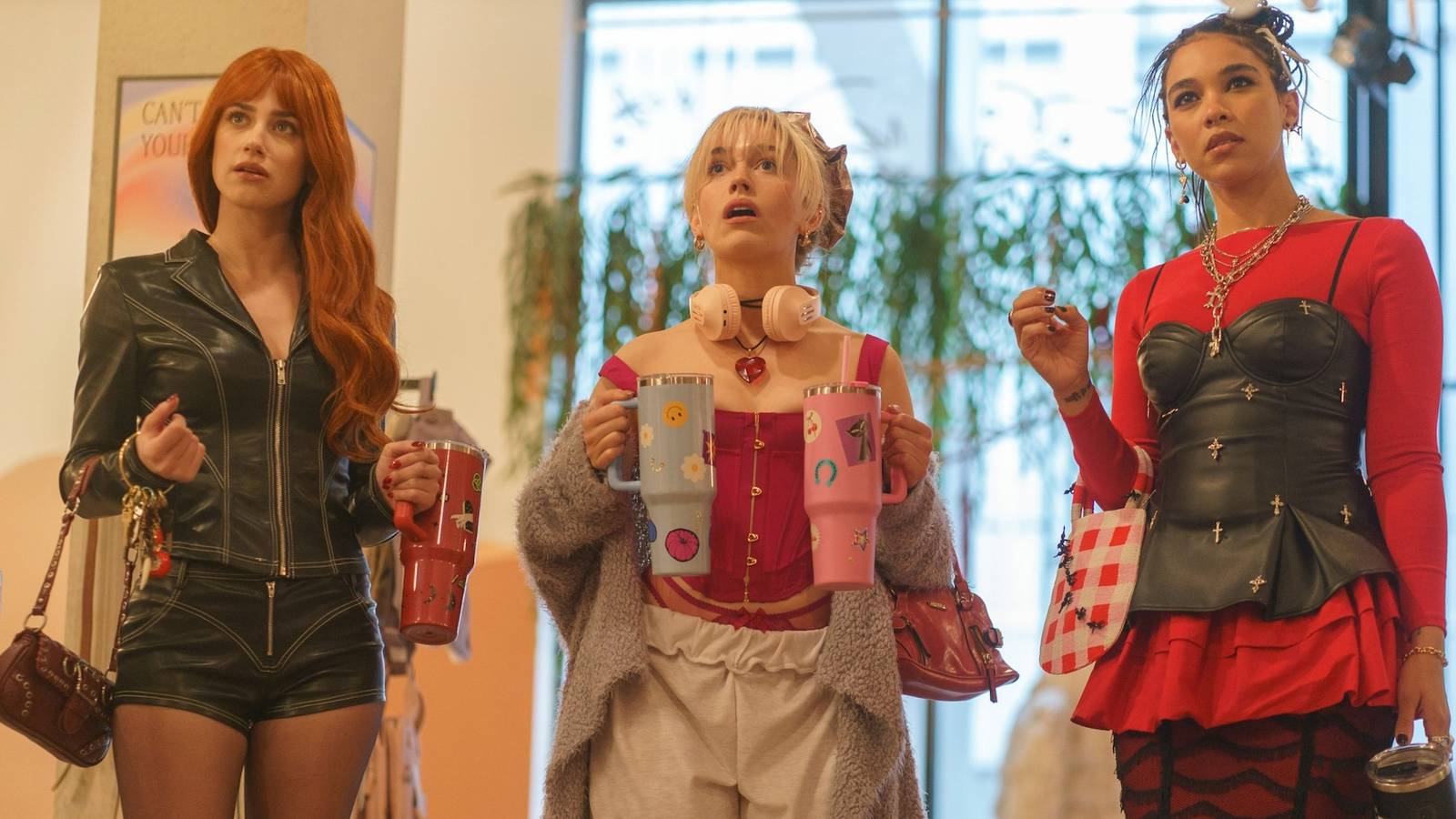
Adapted from Houghton's stage play, the story follows a group of young women working at a Free Eden store. By day, they fold clothes and deal with customers. By night, they transform the dressing room into a sacred space for spells and hexes. Alloway herself described the project as "Mean Girls, but a slasher," while also citing the identity-crisis themes of American Psycho. The film stars Lili Reinhart, Victoria Pedretti, Alexandra Shipp, Lola Tung, Emma Chamberlain, and Gabrielle Union as a sisterhood bound by retail, ritual, and a dangerously warped sense of empowerment.
The core coven—quirkily named Apple (Reinhart), Cherry (Pedretti), Fig (Shipp), and Pumpkin (Tung)—represents a darkly comic take on feminine archetypes and seasonal aesthetics. They worship Marilyn Monroe as the ultimate feminine martyr and find a strange, placebo-like ecstasy in the very plastic sequins of their retail environment. Their journey from petty hexes to serious, bloody consequences forms the film's chilling, slow-burn core.
Camp, Commentary, and the Creeping Horror of Girlhood
Forbidden Fruits thrives on a specific, campy realness. It's packed with clever metaphors and a hyper-aware understanding of trend culture, online witch aesthetics, and the performative toxicity that can fester within "girl's girl" communities. The horror here isn't just about jump scares; it's a psychological unease built on a false sense of security, where the true terror lies in the characters' unwavering, self-justifying belief in their own actions.
This sharp social satire is woven into classic horror tropes—an isolating storm, dead phones, a group splitting up—amplified to an absurd degree. The film takes its time, letting the dread simmer until it boils over into a shocking, violent third act. It's a bold narrative choice that pays off, making the eventual carnage feel both inevitable and deeply unsettling.
The film's instant classic status draws a direct line to other misunderstood gems that found their audience later. It shares a producer, Diablo Cody, with 2009's Jennifer's Body, a film that was critically panned on release but is now celebrated as a cult masterpiece. Forbidden Fruits seems poised to skip the scorn phase entirely, embraced from the start for its honesty and specificity in portraying flawed, complex women—a rarity in a genre that often dismisses such stories. For more on horror films that broke the mold, check out our feature on Horror's Holy Trinity.
More Than a Witch Trend: A Mythological Bite
Beneath its trendy surface of water bottles and overpriced lingerie, Forbidden Fruits reveals something almost mythological. Apple is a clear nod to Lilith, and the film delves into themes of revenge, grief, and intergenerational trauma with a frankness that elevates it beyond a simple genre piece. It holds a mirror to the cruelty of performative girlhood, making its commentary feel timeless despite its very modern setting.
In an era of endless reboots, its originality is its superpower. With a distinctive vocabulary, tonal confidence, and a unique aesthetic that oozes personality, Forbidden Fruits has all the ingredients for longevity: relatability, rewatchability, and something fiercely original to say. It's the kind of film that creates its own world and vocabulary, inviting viewers to return again and again to unpack its layers. This commitment to bold, original storytelling echoes the success of other recent hits, like the creators of Stranger Things' new Netflix horror series.
For fans seeking a smart, stylish, and savagely funny horror experience that critiques the culture it inhabits, Forbidden Fruits isn't just a movie—it's an initiation. Its cult isn't coming; it's already here, waiting in the dressing room with a shiv made of plastic sequins and a spell for your soul.