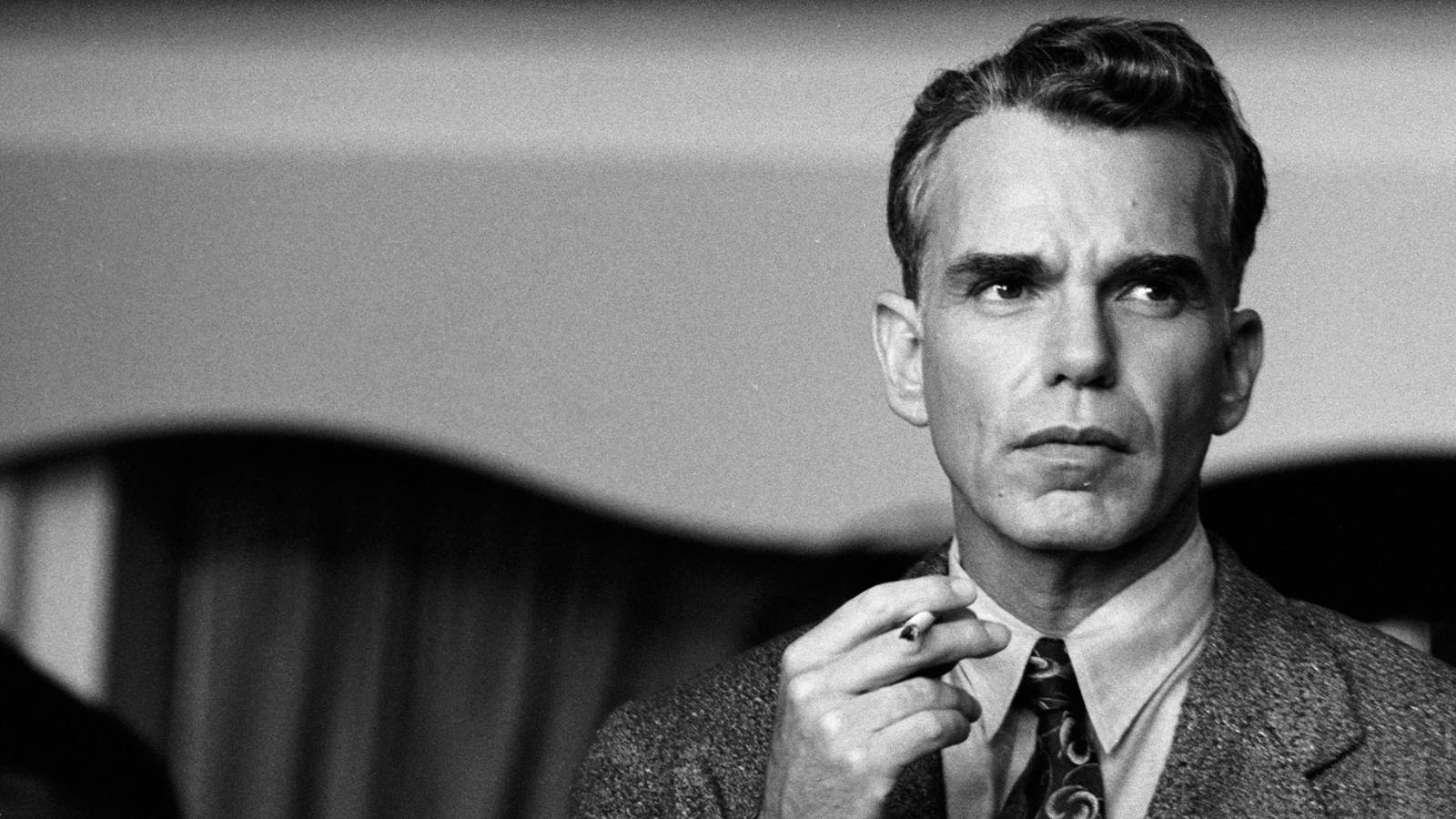
In the vast and celebrated filmography of Joel and Ethan Coen, certain titles like Fargo and No Country for Old Men rightfully claim the spotlight. Yet, nestled within their catalog is a black-and-white diamond of a film that deserves equal acclaim: 2001's The Man Who Wasn't There. This retro-styled neo-noir is not just a loving homage to the genre; it's a profound character study elevated by a stunning, minimalist performance from Billy Bob Thornton.
A Barber's Descent into Darkness
The film is set in 1949 California, where Thornton plays Ed Crane, a quiet, seemingly passive barber. Ed's life is one of profound monotony, working in a shop owned by his brother-in-law and harboring silent suspicions about his wife Doris's (Frances McDormand) affair with her boss, the boisterous Big Dave (James Gandolfini). When a chance encounter presents an opportunity for blackmail, Ed seizes it, setting off a chain reaction of violence, cover-ups, and moral decay that spirals far beyond his control.
The genius of the title reflects Ed's entire existence. He is a ghost in his own life, a man so overlooked he can operate in the shadows. The Coens brilliantly subvert classic noir tropes by making the typically sidelined, cuckolded husband the central figure. His initial act isn't born of passion or love, but of a simmering resentment and a desire to finally exert some control. What begins as a clumsy scheme quickly reveals a chilling capacity for ruthlessness within Ed, a darkness he himself seems to discover as the plot thickens.
Thornton's Pitch-Perfect Performance
Billy Bob Thornton's work here is a masterclass in restrained acting. With a near-constant cigarette and a world-weary voiceover, he crafts an anti-hero who is both pitiable and terrifying. He makes Ed's quiet observation feel like a predator's patience, and his descent into crime feels tragically inevitable. Thornton embodies the Coens' unique blend of bleak humor, social satire, and existential dread perfectly, making Ed Crane one of their most fascinating and fully realized characters.
It's a performance that makes the film's relative obscurity all the more puzzling. Thornton, an Oscar-winning writer himself, has rarely been better, finding profound depth in silence and subtle gesture. The supporting cast, including McDormand, Gandolfini, and a young Scarlett Johansson, is uniformly excellent, but the film belongs to Thornton's haunting, near-perfect portrayal of a man dissolving into his own shadows.
The film's stunning cinematography, shot in gorgeous black and white by Roger Deakins, completes the package, creating a world that feels both authentically period and eerily timeless. It's a visual and narrative treat for fans of sophisticated, character-driven crime stories.
An Underrated Coen Classic
While it may not have the immediate pop culture footprint of No Country for Old Men, The Man Who Wasn't There is essential viewing for anyone claiming to be a fan of the Coen Brothers' work. It represents the pinnacle of their intellectual engagement with genre, deconstructing film noir with wit, style, and a profound sense of melancholy.
For those who appreciate Thornton's unique screen presence, it's fascinating to compare this role to his work in a film like Eagle Eye, showcasing his incredible range. Ultimately, The Man Who Wasn't There stands as a compelling argument that sometimes the most powerful stories are told in whispers, not shouts, and that the most dangerous man in the room might be the one you never notice at all.