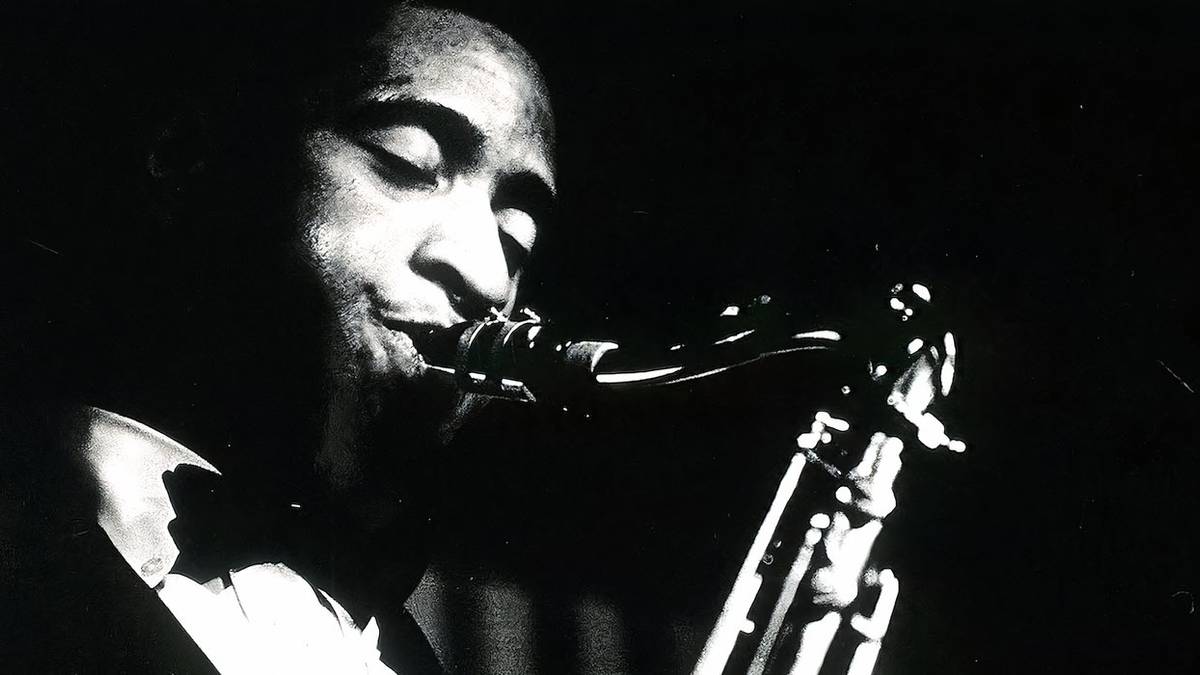
Jazz has lost one of its true giants. Sonny Rollins, the tenor saxophonist whose improvisational brilliance earned him the nickname "The Saxophone Colossus," died Sunday afternoon at his home in Woodstock, New York. He was 95.
The news was confirmed via a statement on his official Facebook page, which read: "It is with deep sorrow and profound love that we announce the passing of Sonny Rollins." The post also included a 2009 quote from the musician, reflecting his spiritual outlook: "I think when the creative person ends, he continues in the next existence. I'm a person who believes this life isn't the be-all and end-all of everything."
A Life in Music
Born Theodore Walter "Sonny" Rollins on September 7, 1930, in Harlem, New York City, he fell in love with bebop as a teenager. He became a devoted admirer of Charlie Parker and a mentee of Thelonious Monk, two titans who shaped his early style. By his teens, Rollins was already collaborating with Miles Davis, a testament to his prodigious talent.
Rollins' career spanned eight decades, taking him from Harlem clubs to the White House and stages worldwide. His website describes him as "one of the most influential musicians in jazz," and the Schomburg Center for Research in Black Culture—which acquired his personal archives in 2017—called him "one of the most highly-regarded improvisers in the history of music."
Timeless Compositions
Rollins penned some of jazz's most enduring standards, including "Oleo," "Doxy," "Airegin," "St. Thomas," "Strode Rode," "Sonnymoon for Two," and "Pent-Up House." These works remain cornerstones of the jazz repertoire, studied and performed by musicians around the globe.
His improvisational style was legendary—fluid, inventive, and deeply emotional. He could take a simple melody and spin it into a complex, soul-stirring narrative, earning him a place among the greatest saxophonists of all time.
Triumphs and Challenges
Rollins' life was not without struggle. He battled heroin addiction and served time in prison for robbery. He also took several hiatuses from music, only to return with renewed vigor and even greater acclaim. In the late 1960s and early 1970s, he traveled to India and Japan to study yoga and religion, seeking spiritual balance.
In his later years, Rollins focused on health and wellness, a shift that mirrored his lifelong quest for growth. His accolades are staggering: the National Endowment for the Arts Jazz Master Award (1983), a Grammy Lifetime Achievement Award (2004), the Polar Music Prize (2007), the Edward MacDowell Medal (2010), the Kennedy Center Honor (2011), and the National Medal of Arts (2011).
Legacy That Echoes
Rollins' influence extends far beyond jazz. His fearless improvisation and commitment to artistic integrity have inspired countless musicians across genres. As the Schomburg Center noted, he is "one of the most important musicians and artists of the 20th and early 21st centuries."
For fans of masterful storytelling in any medium, Rollins' life is a reminder of the power of perseverance and creativity. Just as Ridley Scott's 'Thelma & Louise' redefined cinematic narratives, Rollins redefined what a saxophone could say. And like The Beatles' 'Sgt. Pepper', his work represents a peak of artistic ambition.
Sonny Rollins may have left this world, but his music—and the spirit behind it—will continue to resonate for centuries.