When HBO first adapted Tom Perrotta's novel The Leftovers, it seemed destined to be a downbeat meditation on loss. The book, a sci-fi-tinged drama about the sudden disappearance of 2% of the world's population, was praised for its bleak, cynical take on humanity. But showrunner Damon Lindelof knew that a TV series couldn't sustain that misery for long. So he made a bold choice: after Season 1, he largely abandoned the source material and let the story evolve into something far stranger, funnier, and more profound.
The result is one of HBO's greatest sci-fi series—a show that, like 'Big Little Lies', outgrew its literary origins to become a cultural phenomenon. By moving beyond Perrotta's novel, Lindelof unlocked a deeper exploration of grief, faith, and the search for meaning in a world that no longer makes sense.
A Tonal Shift That Saved the Show
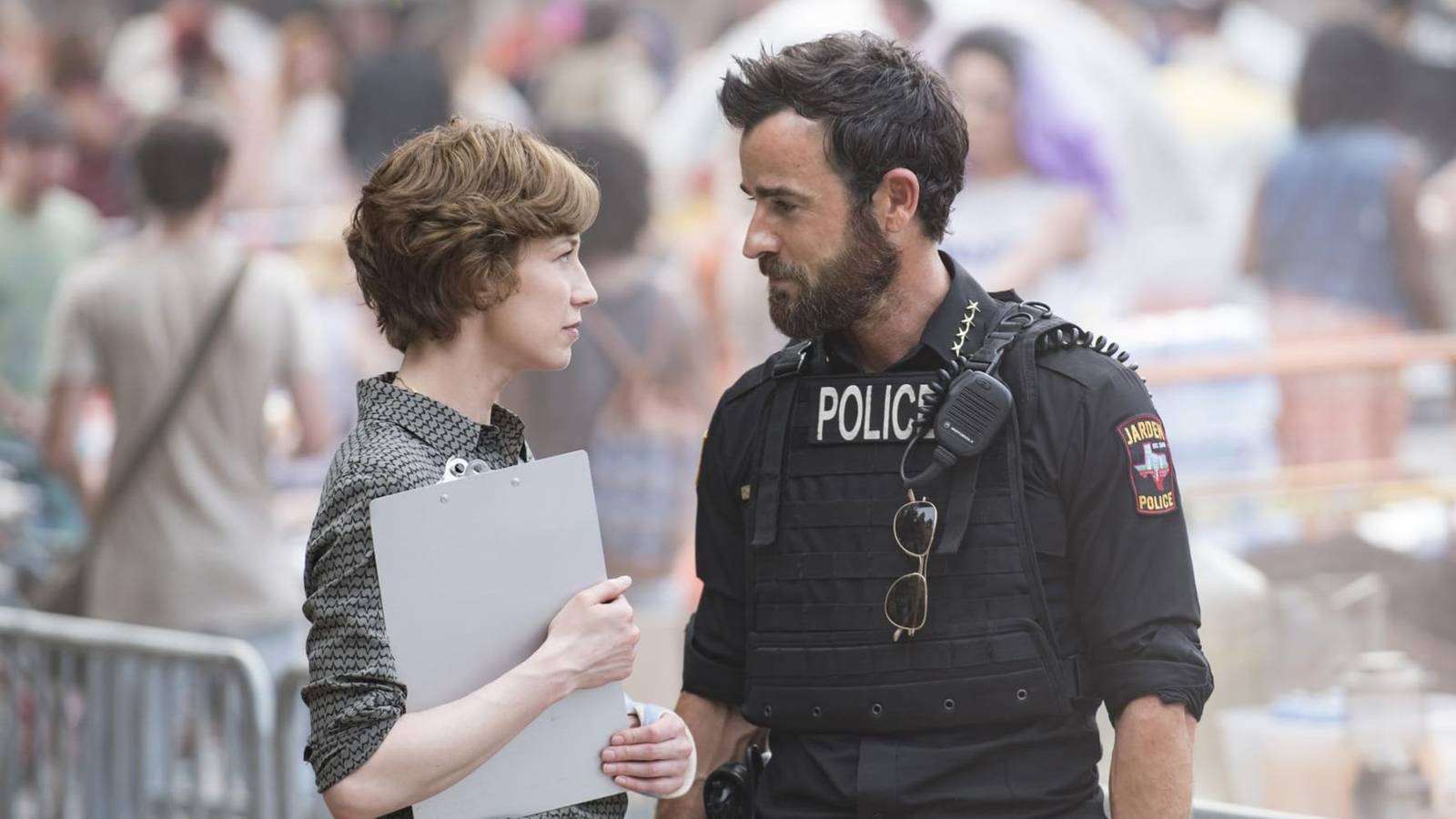
The first season of The Leftovers was a faithful adaptation, set in the fictional town of Mapleton, New York. Police chief Kevin Garvey Jr. (Justin Theroux) struggles to keep order while dealing with his wife Laurie (Amy Brenneman) joining a silent cult called the Guilty Remnant. He also forms a bond with Nora Durst (Carrie Coon), a woman who lost her entire family in the Departure. The season was relentlessly grim, mirroring the novel's focus on raw, unprocessed grief.
But Lindelof realized that television demands evolution. In Seasons 2 and 3, he shifted the story forward, showing how people slowly learn to live again. The tone lightened, incorporating surreal dream sequences and dark humor. Episodes like "International Assassin" allowed characters to explore alternate realities, breaking free from the show's initial realism. This wasn't a betrayal of the book—it was an expansion of its core ideas.
Expanding the World and the Cast
As the series progressed, it introduced new characters who enriched the narrative. The Guilty Remnant, initially portrayed as monstrous, gained depth through Patti (Ann Dowd), whose backstory explained the cult's appeal. The show also addressed racial dynamics by introducing the Murphy family in Season 2, highlighting how Black communities bear a heavier burden of grief in a crisis. These additions made the world feel larger and more inclusive.
The performances, especially from Theroux and Coon, are among the best in TV history. But the show's willingness to let its ensemble grow—and to let its characters take wild, unexpected journeys—is what elevated it from a good adaptation to a great series.
A Perfect Ending
The series finale, "The Book of Nora," is widely considered one of the best in television. It offers a bittersweet, hopeful conclusion that the novel never could have provided. By moving beyond the book, Lindelof gave the characters room to find peace, closure, and even joy. The Leftovers proves that sometimes the best way to honor a story is to let it evolve into something new.