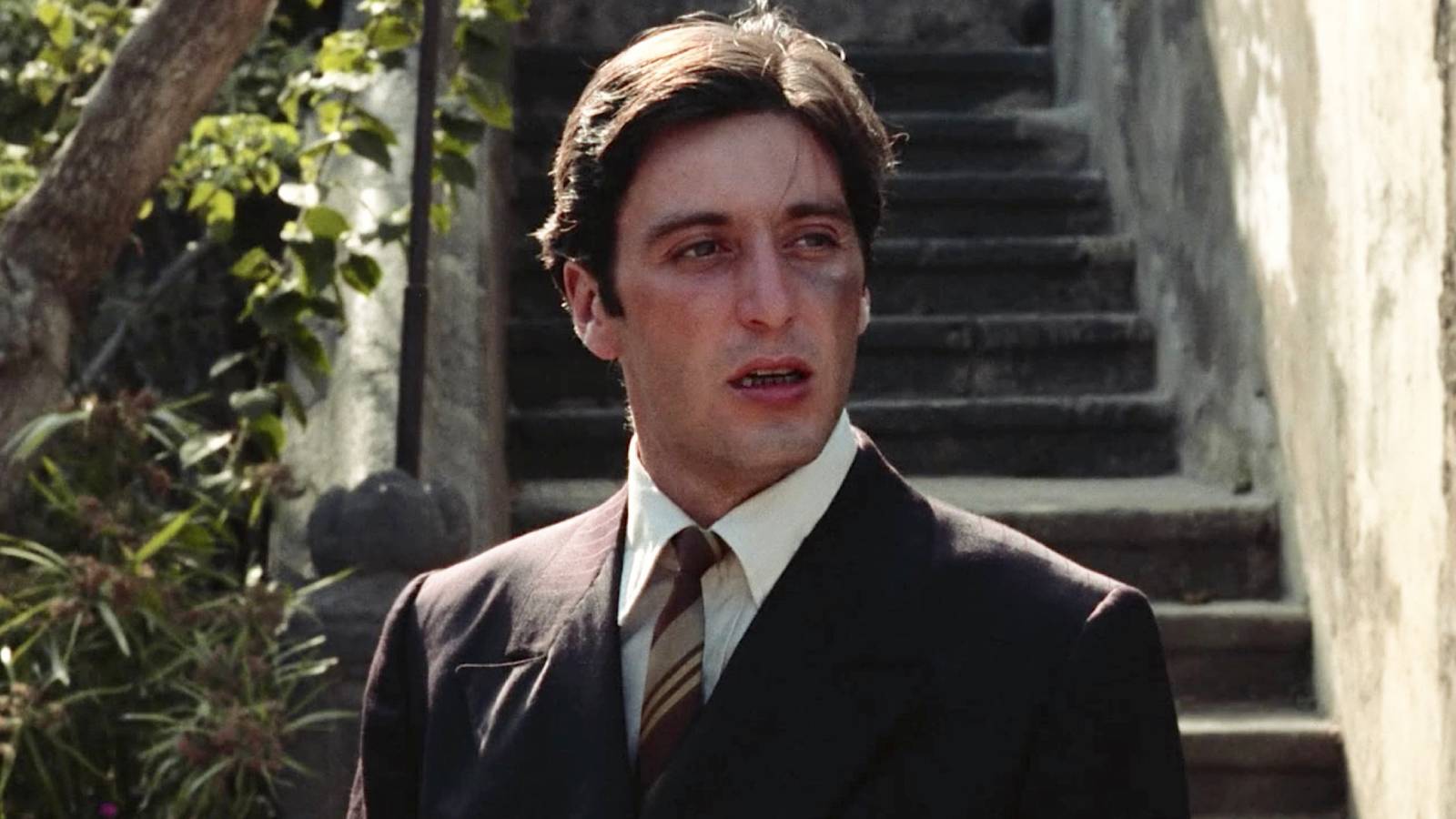
In the pantheon of Oscar winners, Francis Ford Coppola's 'The Godfather' occupies a throne of its own. The 1972 masterpiece, chronicling the Corleone crime family's saga, is frequently cited not just as a pinnacle of the Academy Awards, but of cinema itself. Yet, in nearly a century of Best Picture honors, a handful of films present such monumental achievement that they invite a daring question: could any possibly be better?
This isn't to diminish the Corleones' legacy. 'The Godfather' and its equally celebrated sequel, 'The Godfather Part II'—which also won Best Picture—redefined narrative depth and character complexity in American film. They are the gold standard. But the history of the Oscars holds a few other treasures so flawless in execution and profound in impact that they stand shoulder-to-shoulder with, and perhaps even a whisper above, the Don. Here are three that make that audacious argument.
1. 'Amadeus' (1984)
Milos Forman's 'Amadeus' achieves a rare alchemy, transforming the historical drama into a timeless exploration of divine envy and mortal frailty. On the surface, it's a story about the rivalry between the genius Wolfgang Amadeus Mozart (Tom Hulce) and the competent but tortured court composer Antonio Salieri (F. Murray Abraham). But like the great crime films that use their genre to explore deeper themes, 'Amadeus' uses 18th-century Vienna to dissect the agony of recognizing transcendent talent you can never possess.
The film is a sweeping epic that feels intimately tragic. It masterfully blends historical fiction with psychological drama, punctuated by moments of surprising humor and set to, of course, Mozart's immortal music. Salieri's conflict—worshipping the music while despising the man—creates a moral complexity that rivals Michael Corleone's descent. 'Amadeus' is a three-hour opera of emotion that never drags, a testament to its perfect pacing and devastating power.
2. 'Lawrence of Arabia' (1962)
If epic scale is a measure, David Lean's 'Lawrence of Arabia' stands as one of cinema's most monumental achievements. This biographical drama about T.E. Lawrence's exploits in World War I Arabia is a staggering visual poem about identity, ambition, and the intoxicating, corrosive nature of influence. Peter O'Toole's iconic performance captures Lawrence's transformation from an obscure officer to a legendary, then broken, leader.
The film’s vast desert landscapes, captured in breathtaking 70mm, become a character in themselves—a beautiful, indifferent mirror to Lawrence's internal struggle. Its narrative ambition in charting the rise and fall of a man who becomes a myth is as grand as any family saga. For sheer, awe-inspiring spectacle paired with deep psychological insight, it remains a towering benchmark, much like the films that shocked the box office by redefining what's possible on screen.
3. 'The Lord of the Rings: The Return of the King' (2003)
Peter Jackson's 'The Return of the King' achieved the unthinkable: it brought a beloved fantasy trilogy to a triumphant close and swept the Oscars, winning Best Picture and ten other awards. This crowning chapter of the 'Lord of the Rings' saga represents a pinnacle of cinematic adaptation and blockbuster filmmaking. Treating J.R.R. Tolkien's work with reverence and awe, Jackson delivered a film of immense emotional weight, breathtaking battles, and profound themes of friendship, sacrifice, and the endurance of good.
As the culmination of a single, massive production shot over years, its cohesion and payoff are unparalleled. The film balances intimate character moments—Frodo and Sam's final push into Mordor—with sequences of colossal scale, like the Battle of the Pelennor Fields. It proved that a fantasy epic could carry as much emotional and thematic heft as any grounded drama, creating a world as rich and rewatchable as any in film history. For those seeking another immersive, adventure classic that gets better with every viewing, this trilogy is the ultimate journey.
Declaring any film 'better' than 'The Godfather' is a subjective and perilous task. Coppola's masterpiece remains a perfect storm of acting, direction, and storytelling. However, the sheer artistic ambition, flawless execution, and enduring cultural impact of 'Amadeus,' 'Lawrence of Arabia,' and 'The Return of the King' place them in that same rarefied air. They are the few films that can credibly stand in the conversation, not to dethrone the Don, but to share the spotlight at the very peak of cinematic history.