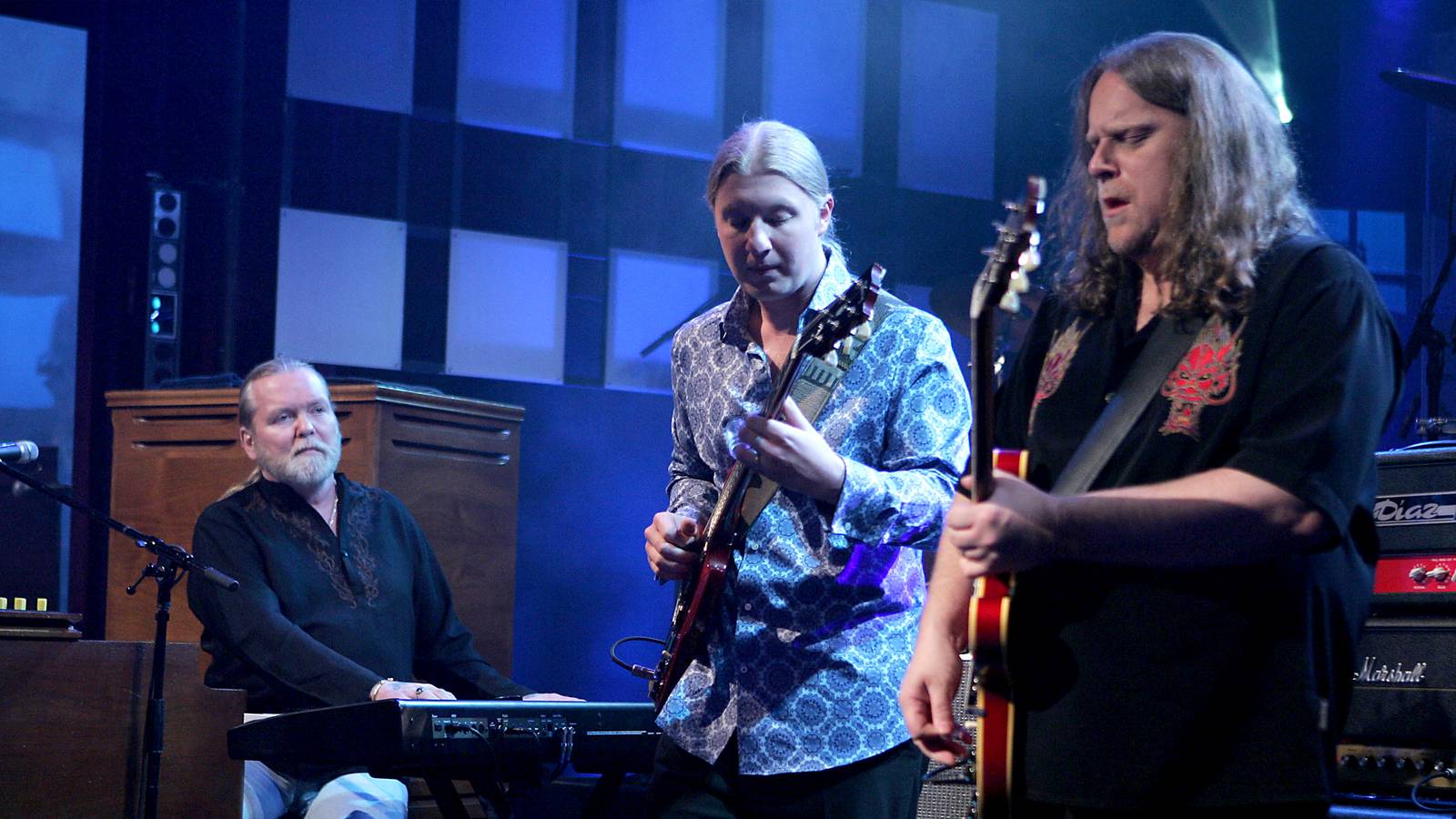
Six decades have passed since The Who unleashed a raw, three-minute blast of defiance that would become rock 'n' roll's ultimate generational battle cry. "My Generation," released in 1965, wasn't just a song; it was a seismic event that channeled teenage angst into a powerful, permanent cultural statement. As it celebrates its 60th anniversary, the track's snarling energy and iconic lyric—"I hope I die before I get old"—prove its message is timeless, continuing to speak to the rebellious spirit in every new era.
The Sound of a Generation Finding Its Voice
Emerging in the mid-60s alongside giants like The Beatles and The Rolling Stones, The Who carved their own path with sheer volume and aggressive innovation. They pioneered the use of Marshall amplifier stacks, feedback, and destructive stage theatrics, directly influencing the hard rock and punk movements that followed. From this crucible of noise and attitude, guitarist Pete Townshend penned "My Generation." The song's opening salvo—"People try to put us down / Just because we get around"—instantly captured the universal friction between youth and the established order, setting the stage for a chorus that was less a melody and more a shouted manifesto.
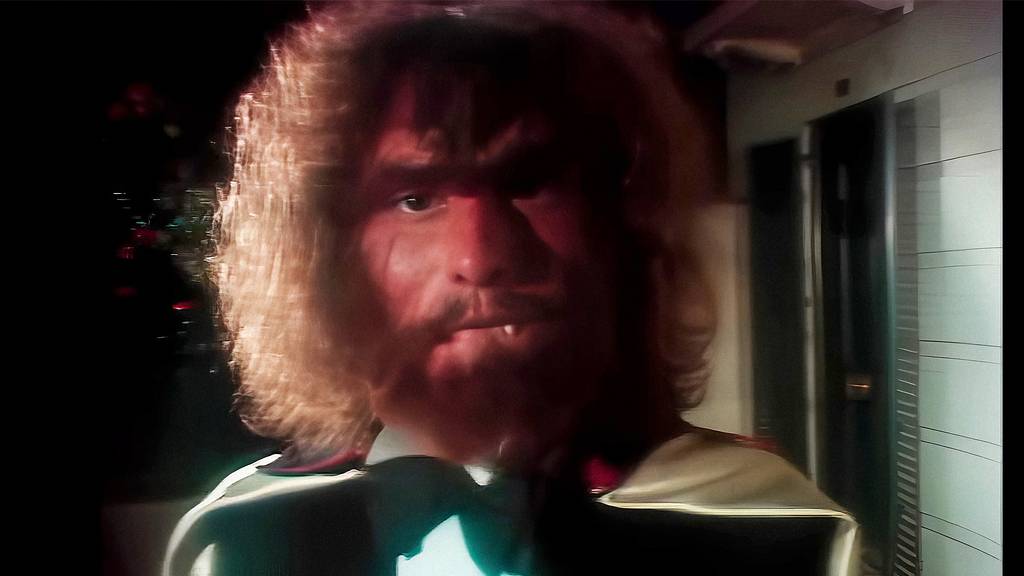
The track's brilliance lies in how it transforms the fear of aging and irrelevance into a weapon of cocky irreverence. It wasn't a lament; it was a challenge. The famous stutter in Roger Daltrey's vocal delivery, whether an accidental studio moment or a nod to mod culture, added a layer of frantic, authentic frustration. This wasn't polished pop; it was the sound of a generation tripping over its own words in its rush to be heard.
A Controversial Legacy That Shaped Music
Ironically, the initial controversy surrounding "My Generation" had little to do with its rebellious lyrics. The BBC briefly banned the song, fearing Daltrey's stuttering might offend people with speech impediments—a concern quickly overridden by the track's meteoric rise in popularity. Its true impact was felt in the artists it inspired. The song's defiant spirit directly influenced Neil Young's "Hey Hey, My My (Into the Black)" and its line "It's better to burn out than to fade away," a sentiment later echoed tragically by Kurt Cobain.
The Who's raw power and compositional daring helped bridge the gap between the British Invasion and the heavier, more complex rock of the late 60s and 70s. Their work, including this seminal single, provides essential context for any discussion about the 1960s' most flawless rock albums, showcasing the decade's rapid evolution from pop melodies to explosive social commentary.
Why "My Generation" Refuses to Fade Away
At its core, "My Generation" endures because it taps into a permanent human condition: the feeling of being misunderstood by those who came before. Every new cohort discovers the song and hears its own struggle reflected in the pounding bass line and crashing chords. The track proved that rock 'n' roll, though often owned by the young, could achieve a rare immortality. Its bravado masked an existential dread, but its lasting popularity suggests the ultimate victory is not in dying young, but in keeping a youthful, defiant spirit alive.
Just as other anthems have captured specific moments of social change—like Marvin Gaye's 'What's Going On' did for the 1970s—"My Generation" crystallized the eternal, ageless friction between the old guard and the new wave. It's a masterpiece of controlled chaos that continues to inspire, proving that some anthems don't just define a generation; they transcend all of them.