When James Gunn took the reins at DC Studios, he promised a new era of quality storytelling—no film would move forward without a script that satisfied everyone. But the underwhelming performance of Supergirl, the second chapter in Gunn and Peter Safran's rebooted DC Universe, has exposed lingering cracks in the franchise's foundation. Reports of creative clashes between Gunn and director Craig Gillespie over the final cut left audiences cold, with many calling the film too generic to stand out. Now, in a twist that feels almost like a collective sigh, fans are turning back to one of the most divisive superhero movies ever made.
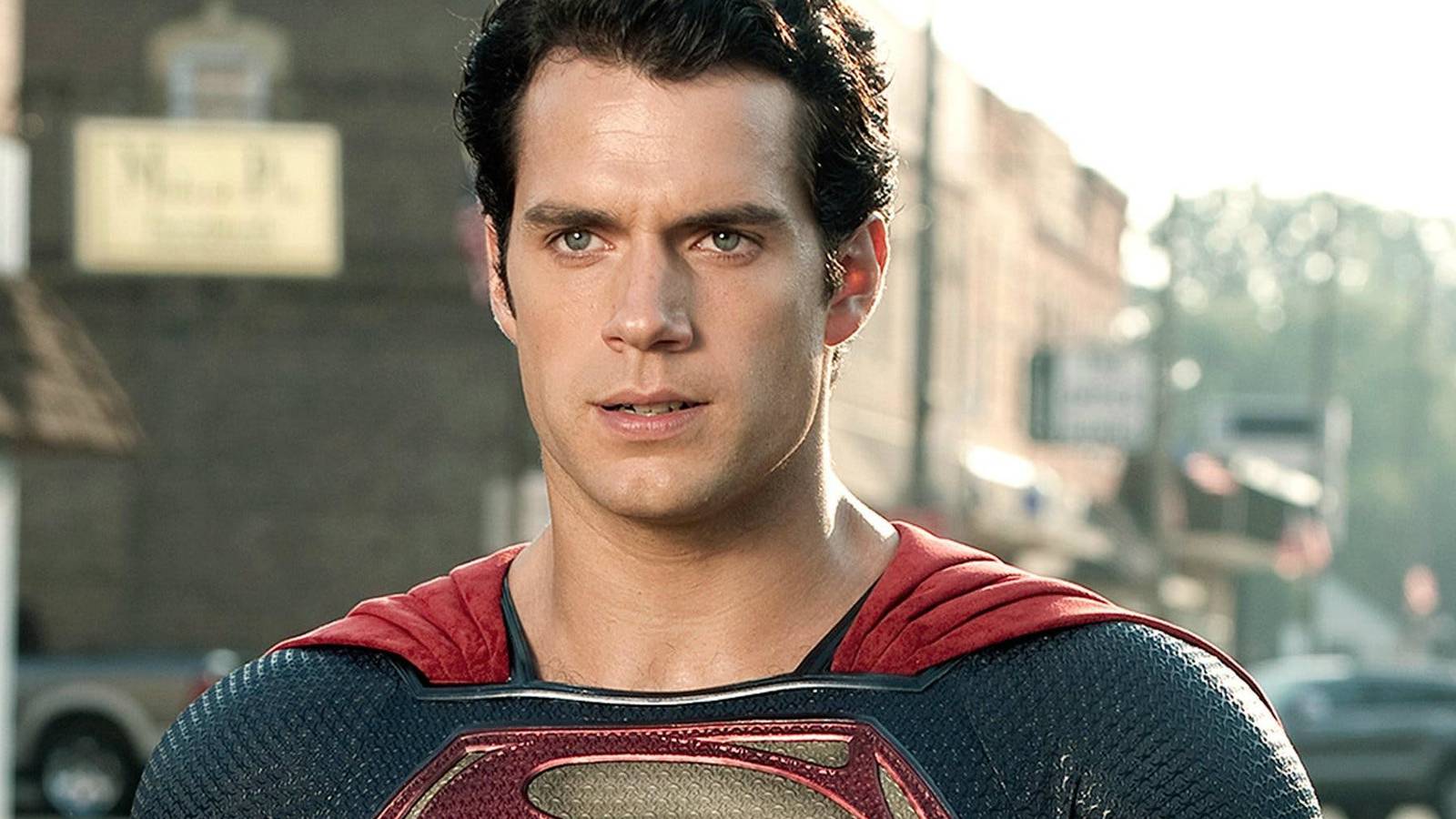
According to FlixPatrol, Zack Snyder's Man of Steel surged to the top of the domestic iTunes chart during Supergirl's opening week. The 2013 film, which launched the DC Extended Universe, was Snyder's gritty, grounded take on Superman—a vision that split critics but clearly still resonates with a passionate audience. While Gunn's own Superman reboot with David Corenswet aimed for a more hopeful tone, it grossed under $620 million worldwide, falling short of Man of Steel's $670 million haul. On Rotten Tomatoes, both films hover around the same score—56% for Snyder's, 54% for Supergirl—but the new movie is struggling to even reach $100 million domestically.

The irony isn't lost on fans. Snyder's DCEU was built on the promise of director-driven, standalone stories, a stark contrast to the interconnected Marvel model. Yet each subsequent film seemed to react to the last, creating a chaotic but memorable run. Man of Steel remains a lightning rod for debate, but its digital resurgence suggests that audiences crave bold, unconventional superhero cinema—even if it's flawed. As Supergirl's box office debut worse than The Marvels, the industry is asking whether the DCU's formula needs a rethink.
This isn't the first time a divisive film has found a second life on streaming. Snyder's Justice League cut became a cultural phenomenon, and now Man of Steel is enjoying a similar revival. The movie's complex portrayal of Kal-El—a reluctant hero grappling with his alien heritage—feels more relevant than ever in a landscape flooded with safe, committee-driven blockbusters. For many, it's a reminder that superhero stories can be messy, ambitious, and deeply personal.
Meanwhile, Supergirl's struggles have sparked broader conversations about the DCU's direction. Supergirl exposes the DCU's Superman-sized problem, as the franchise grapples with balancing creative vision and commercial expectations. Gunn's promise of quality control hasn't translated into box office gold, and fans are voting with their wallets—and their streaming queues.
As the dust settles, one thing is clear: Zack Snyder's Man of Steel isn't just a relic of a bygone era. It's a testament to the enduring appeal of a filmmaker who dared to be different. Whether you love it or hate it, it's impossible to ignore its impact. And in a week when Supergirl failed to soar, audiences are rediscovering why Snyder's Superman still matters.