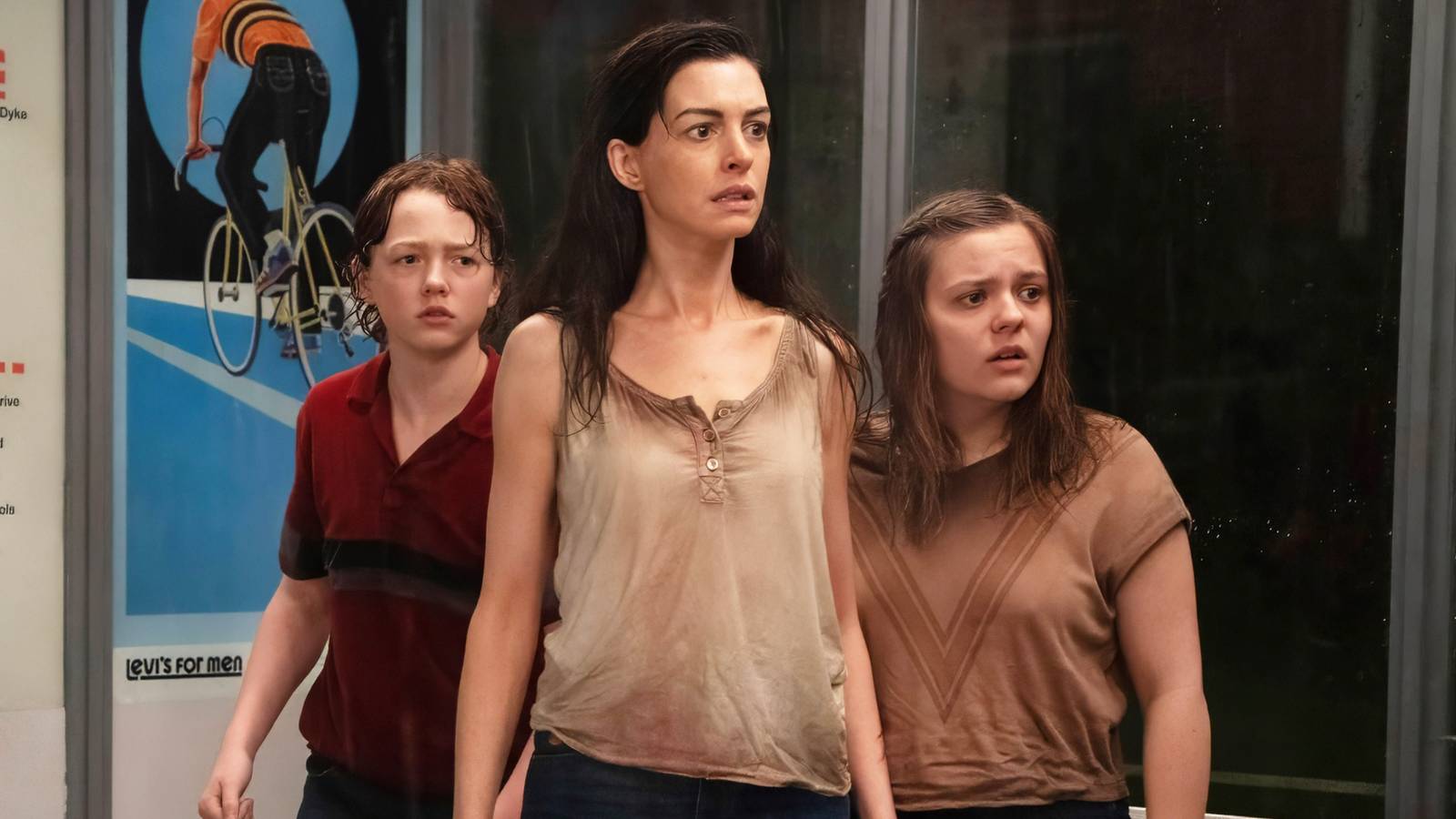
When The End of Oak Street hit theaters, audiences were treated to a fresh take on the dinosaur genre—no Jurassic branding required. But it's the film's ending that has everyone talking. In a recent interview with Collider, writer-director David Robert Mitchell and producer J.J. Abrams peeled back the layers of the movie's shocking conclusion, revealing the deeper themes and creative decisions that shaped it.
The film follows Denise (Anne Hathaway) and Greg Platt (Ewan McGregor) as their suburban '80s neighborhood is suddenly overrun by dinosaurs. Amid the chaos, the family fights to survive, and while they manage to escape, Greg's fate takes a tragic turn. Mitchell explains that the ending was always intended to carry emotional weight, not just serve as a plot twist. "It's about the cost of survival," he says. "The dinosaurs are a catalyst, but the real story is about what this family loses and what they hold onto."
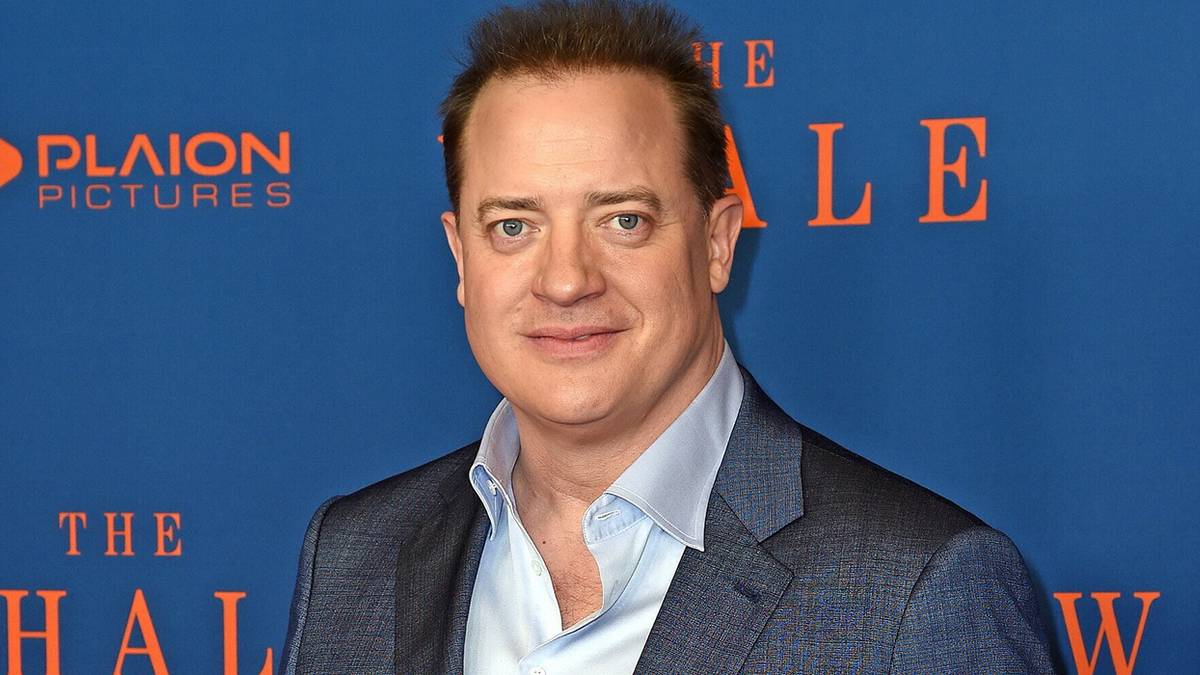
Abrams, who came on board as a producer after reading Mitchell's script, was immediately drawn to the project's originality. "It was one of those scripts that I desperately wanted to see," he recalls. "The way David blends spectacle with genuine heart is rare. It's not just a monster movie; it's a story about love and loss."
The inspiration for the film came from a simple walk in Mitchell's neighborhood. "I passed a garage and imagined a dinosaur in the alleyway," he says. "It made me laugh, but it also felt right—this fantastical creature in a mundane setting. I wanted to capture that contrast." That vision evolved into a story that pays homage to late '70s and early '80s films, where big spectacle was grounded in character and family dynamics.
One of the most talked-about aspects of the film is its PG-13 rating, which Abrams admits was a close call. "Originally, I read it as an R-rated movie because it's so intense," he says. "But the film has such a big heart and a sense of humor that it balances the terror. We're lucky the ratings board agreed." Mitchell adds that a few elements were trimmed to ensure the PG-13, but the core intensity remains.
As for the ending's meaning, Mitchell hints that it's open to interpretation. "The ending is about acceptance and the idea that some things can't be undone," he teases. "It's a reflection on memory and how we process trauma." Abrams chimes in, "The ending is a gut punch, but it's also hopeful in a way. It's about moving forward."
Fans of Mitchell's earlier work will be thrilled to know that the long-awaited It Follows sequel, They Follow, is still in the works. "We're making progress," Mitchell says cryptically. "It's coming together." Abrams also shared an update on his own directorial return, The Great Beyond, which he describes as "a passion project" and his first original film since Super 8.
For those who haven't seen The End of Oak Street yet, the film is currently in theaters. And if you're curious about Mitchell's other work, check out our ranking of his films. The movie has already scored big with critics, and its box office performance is being closely watched. As for the ending, it's a conversation starter—one that Mitchell and Abrams are happy to have.