The release of Supergirl has fans buzzing, but not entirely for the right reasons. While the film introduces a new take on Kara Zor-El and sets up future storylines, it also shines a spotlight on a nagging problem for James Gunn's DC Universe: how do you build excitement for lesser-known heroes when the Man of Steel just stole the show?
Let's be real—Superman's comeback in Superman: Legacy was a massive event. It redefined the character for a new generation and set a high bar for everything that follows. Now, Supergirl arrives as the next chapter, and it's struggling to find its own identity. The film isn't bad, but it feels like a necessary stepping stone rather than a must-see event. That's the DCU's biggest post-Superman problem: the shadow of the Big Blue Boy Scout is long, and not every hero can step out of it.

Gunn's strategy has been to build a connected universe slowly, introducing characters like Supergirl, The Authority, and Swamp Thing in their own projects before a big team-up. But Supergirl reveals a flaw in that plan. Audiences are still getting to know this new Superman, and now they're being asked to care about his cousin without the same emotional investment. The film tries to bridge that gap with cameos and references, but it's not enough to make Kara feel essential.
This isn't just about one movie. It's about the entire DCU slate. If every new hero feels like a side quest to Superman's main story, the franchise risks losing momentum. Gunn needs to find a way to make each character stand on their own, whether it's through unique genres, distinct tones, or compelling personal stakes. Supergirl has moments of that—especially in its emotional ending, which we break down in our Supergirl's Ending Explained—but it's not consistent.
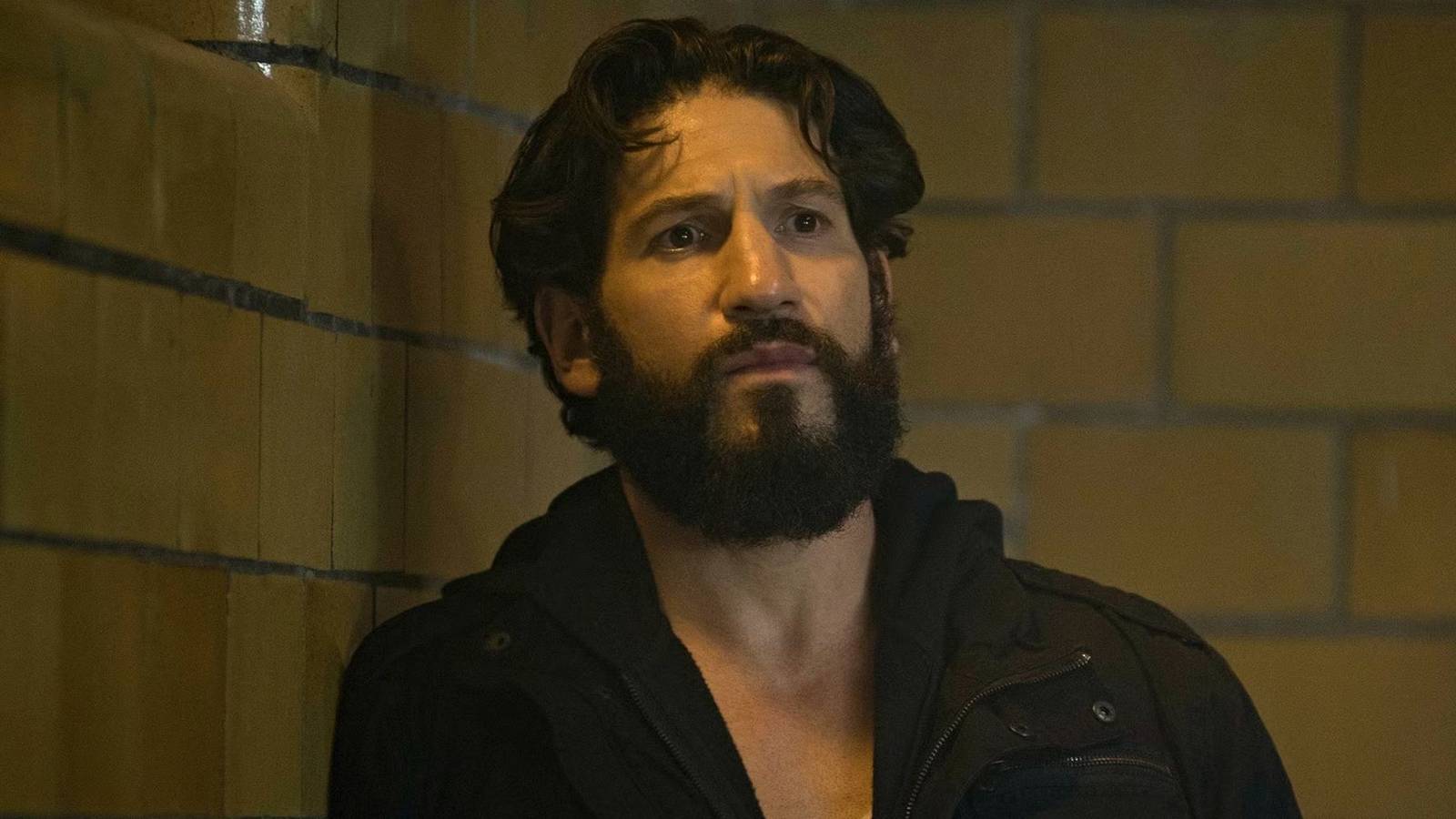
Another issue is the casting. Jason Momoa's Lobo is a highlight, bringing chaotic energy to every scene. But his presence also raises questions: if the DCU can pull in big names like Momoa, why does Supergirl herself feel less developed? The film leans on her relationship with Krypto the Superdog and her battle against Krem, but the emotional core is thinner than Superman's. For a character with so much potential, that's a missed opportunity.
Compare this to how Marvel handled its post-Iron Man universe. They gave each new hero a distinct voice—Guardians of the Galaxy was a space comedy, Doctor Strange was a psychedelic adventure, Black Panther was a cultural phenomenon. The DCU needs that same variety. Supergirl plays it safe, and safe doesn't cut it when you're following a blockbuster like Superman: Legacy.
Gunn has proven he can make weird, wonderful superhero stories with The Suicide Squad and Peacemaker. But the DCU is a different beast—it needs to balance creative freedom with a cohesive vision. Supergirl shows that the balance is off. The film's Rotten Tomatoes score, which we compare to Superman's in our Supergirl's Rotten Tomatoes Score piece, reflects that divide.
Looking ahead, the DCU has a packed slate: The Brave and the Bold, Swamp Thing, The Authority. Each of these will face the same challenge. If Gunn can't make them feel essential, the universe will feel like a series of spin-offs rather than a shared world. Supergirl is a warning shot—a reminder that even with a great cast and a beloved character, the DCU's biggest problem isn't one underwhelming movie. It's the struggle to make every hero matter as much as Superman.
For now, fans are left wondering: will the DCU learn from Supergirl's missteps, or will it keep chasing Superman's shadow? The answer will define the franchise for years to come.