Zach Cregger walked into Raccoon City with a lot on his shoulders. After proving his horror chops with Barbarian and Weapons, he took on the daunting task of rebooting the Resident Evil franchise for the big screen. With nearly 25 years of live-action history—including six films starring Milla Jovovich and the more game-faithful Welcome to Raccoon City—expectations were sky-high. Yet Cregger's version has become the highest-rated adaptation of the franchise to date, and by a significant margin.
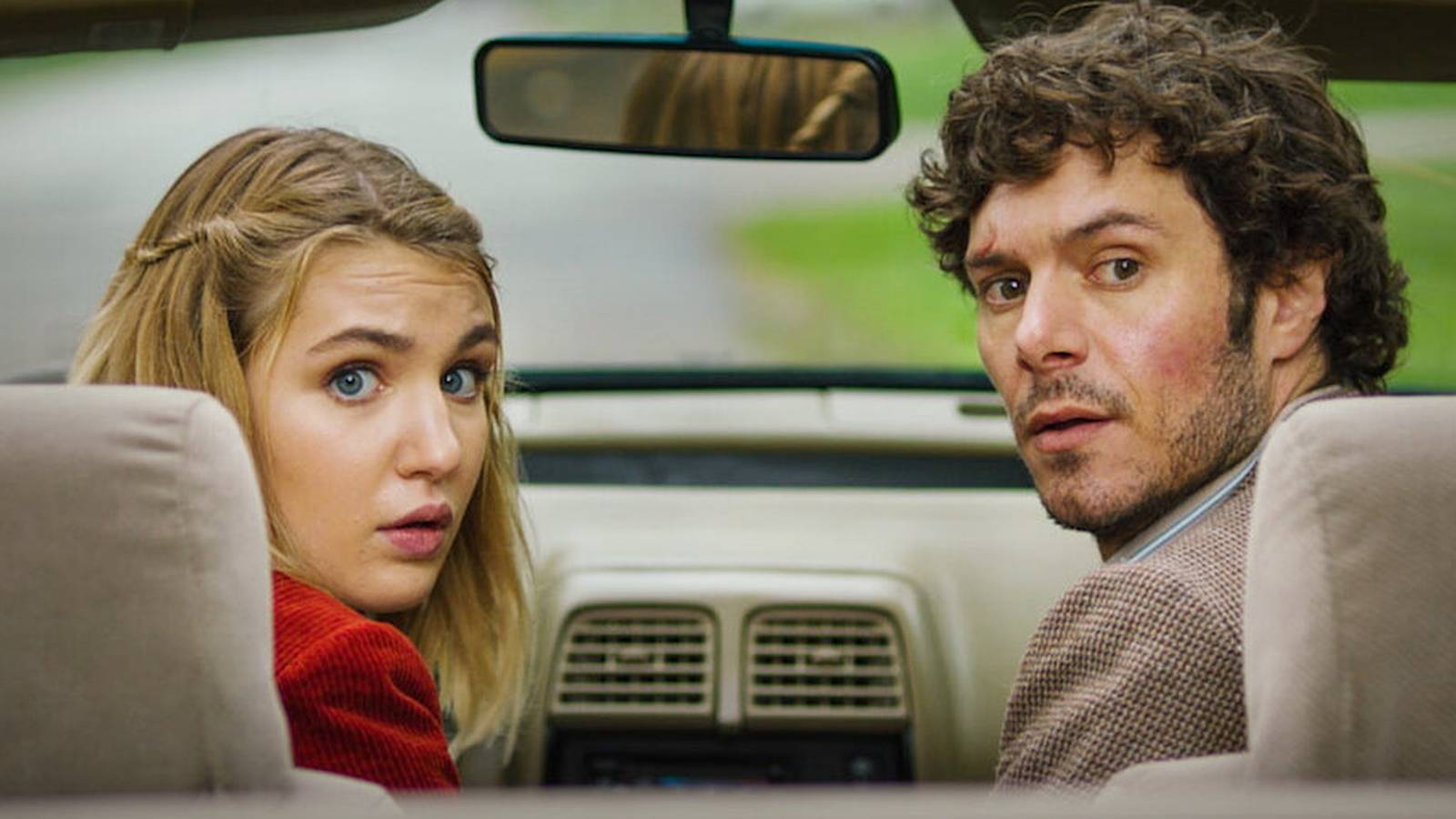
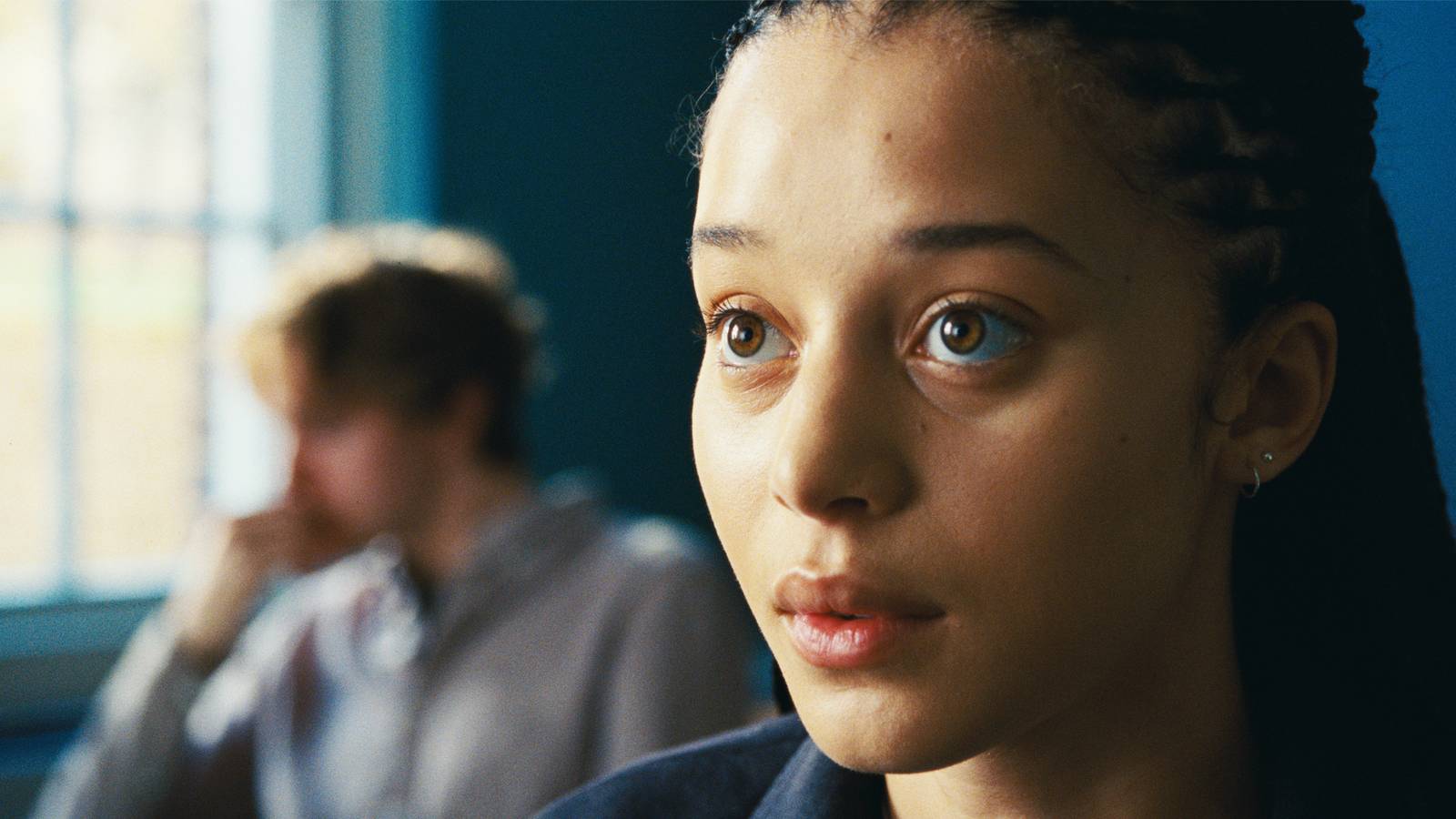
What sets this new film apart is its fresh approach. Instead of following iconic characters like Leon Kennedy or Jill Valentine, Cregger introduces us to Bryan (Austin Abrams), a medical courier caught in an original nightmare that unfolds alongside the events of Resident Evil 2. The result is a movie that captures the escalating tension of the games without relying on familiar faces.
Now, Cregger has revealed that his creative choices weren't shaped by a deep dive into previous adaptations. In a recent interview, the director admitted he has never watched a Resident Evil movie. When asked whether his film should be seen as a sequel, prequel, or something else entirely, he responded, “I couldn’t really say. I’ve never seen one.”
That confession might raise eyebrows, but it also explains why his reboot feels so fresh. Cregger didn't feel bound by the continuity or tone of earlier films. Instead, he went straight to the source material—the games—to build his story. He designed Bryan's journey to mimic a 90-minute play session, dropping the vulnerable protagonist into new environments where he must scavenge for resources and survive whatever lurks in the shadows. Unlike Leon or Jill, Bryan lacks military training, making every encounter more terrifying.
Fans initially worried that Cregger's original protagonist and storyline meant he was just slapping the Resident Evil name on an unrelated script. But Cregger insists that's not the case. “It was conceived to be a Resident Evil story,” he said, arguing that the connection becomes obvious once audiences see the finished film. And he's right—the movie's tension and atmosphere are pure Resident Evil, even without the usual heroes.
This approach also explains why the reboot feels more faithful to the games than earlier films that featured recognizable characters and locations. Cregger didn't need to watch the previous movies because he wasn't trying to continue or correct them. He simply returned to the games to capture that primal fear of entering an unknown room with limited ammo and no idea what's waiting inside.
For those curious about how this stacks up against other video game adaptations, the Resident Evil reboot's Rotten Tomatoes score is a testament to its success. And if you're wondering whether this marks a turning point for the genre, check out our analysis of how the reboot finally gets the video game experience right.
Cregger's gamble paid off, proving that sometimes the best way to honor a beloved franchise is to ignore its cinematic past and go back to what made it great in the first place. His film is a love letter to the games, and fans are here for it.