In an era where streaming platforms constantly shift the landscape and corporate mergers loom like monoliths, it's easy to feel like the entertainment industry is spiraling into something unrecognizable. But long before the age of algorithmic content and reality TV dominance, author Matthew Woodring Stover saw where we were headed. His 1997 novel Heroes Die is a blistering, unflinching look at our appetite for spectacle—and it hits harder today than it ever has.
A Grim Premise
Set in a 23rd-century Earth ravaged by plague and ruled by corporations, Heroes Die paints a dystopian picture where society is stratified into rigid castes. Alongside this bleak reality exists Overworld, a parallel dimension teeming with magic, monsters, and warring empires. Corporations have found a way to monetize this other realm: they send actors from Earth to inhabit personas in Overworld, where their real, life-threatening adventures are broadcast to audiences back home as immersive entertainment.
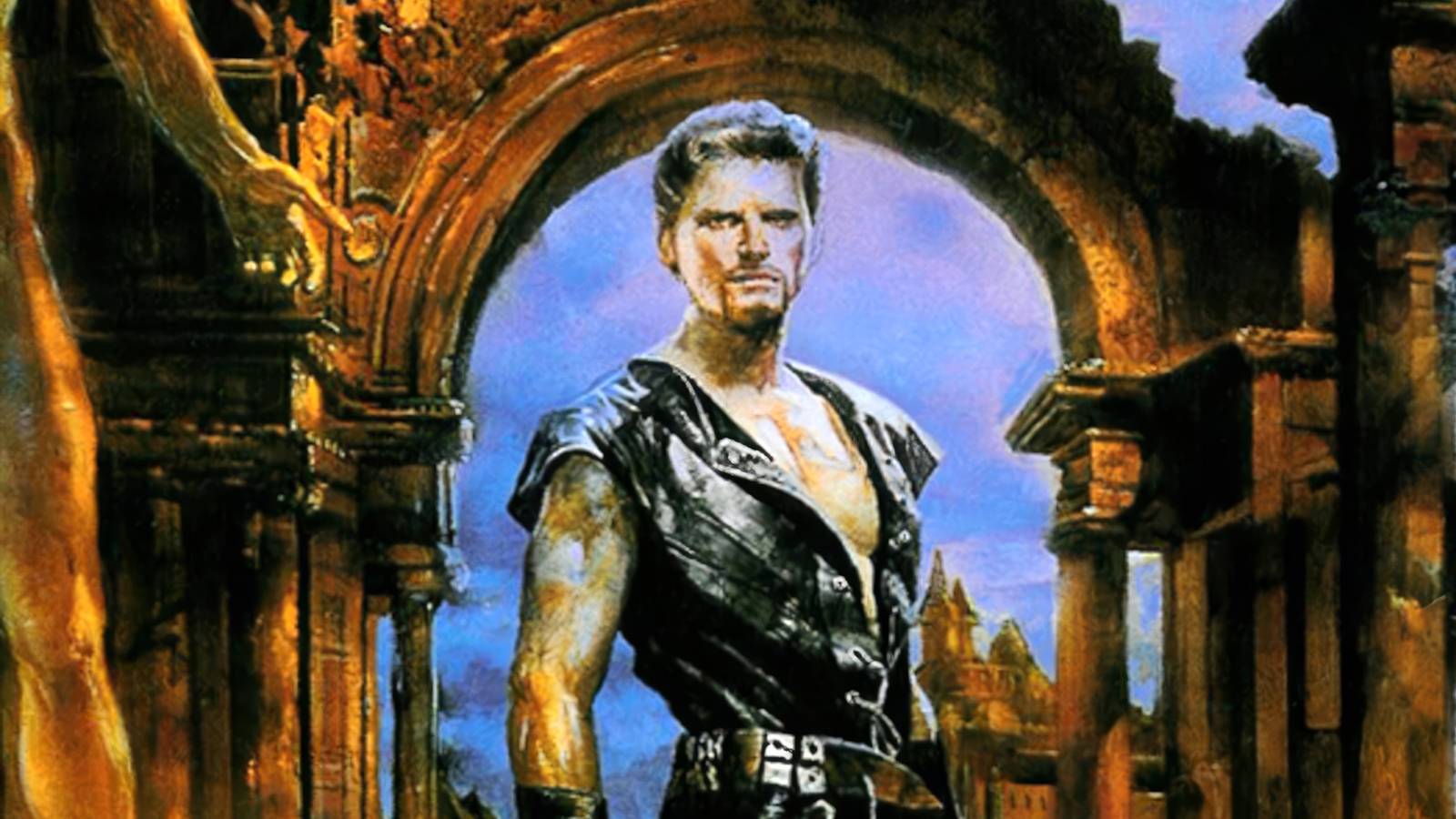
The story centers on Hari Michaelson, an actor who becomes Caine, the infamous Blade of Tyshalle, in the city of Ankhana. When his estranged wife, Pallas Ri, is captured and her link to Earth severed, Hari agrees to return to Overworld as Caine—not only to rescue her but also to assassinate the emperor, a task handed down by studio executives who see the ensuing chaos as prime content for future seasons.
Why It Resonates Now
Stover's world is grimdark at its finest, but its true power lies in its uncomfortable familiarity. The plague that toppled governments feels eerily prescient in a post-COVID world. The corporate stranglehold on culture and daily life mirrors our own reality, where conglomerates dictate what we watch, read, and consume. But what makes Heroes Die truly cutting is its willingness to implicate the reader. The violence is graphic, relentless, and often hard to stomach—yet we keep turning the pages. It's a literary version of Michael Haneke's Funny Games, daring us to look away while knowing we won't.
This is where the book's critique of modern entertainment lands hardest. Stover predicted the rise of reality TV and the commodification of suffering, but he goes further: he suggests that we, the audience, are complicit. The constant reminders that "it's all staged" or "none of it is real" ring hollow when real people are risking their lives for our amusement. It's a scathing indictment of our collective obsession with sensationalism, and it's as relevant now as it was in the late '90s.
At its core, Heroes Die is about what we'll do for love, but it's also about survival in a world where profit trumps humanity. It asks uncomfortable questions about the nature of violence and whether we can ever escape it—even in a fantasy realm. The answer, Stover suggests, is no. Violence is not just a tool; it's a part of us, and we're drawn to it like moths to a flame.
For fans of atmospheric fantasy or those who appreciate must-read fantasy novels, Heroes Die is a hidden gem that deserves a spot on your shelf. It's a book that doesn't just entertain—it challenges, provokes, and lingers long after the final page. And in a world where entertainment often feels hollow, that's a rare and precious thing.