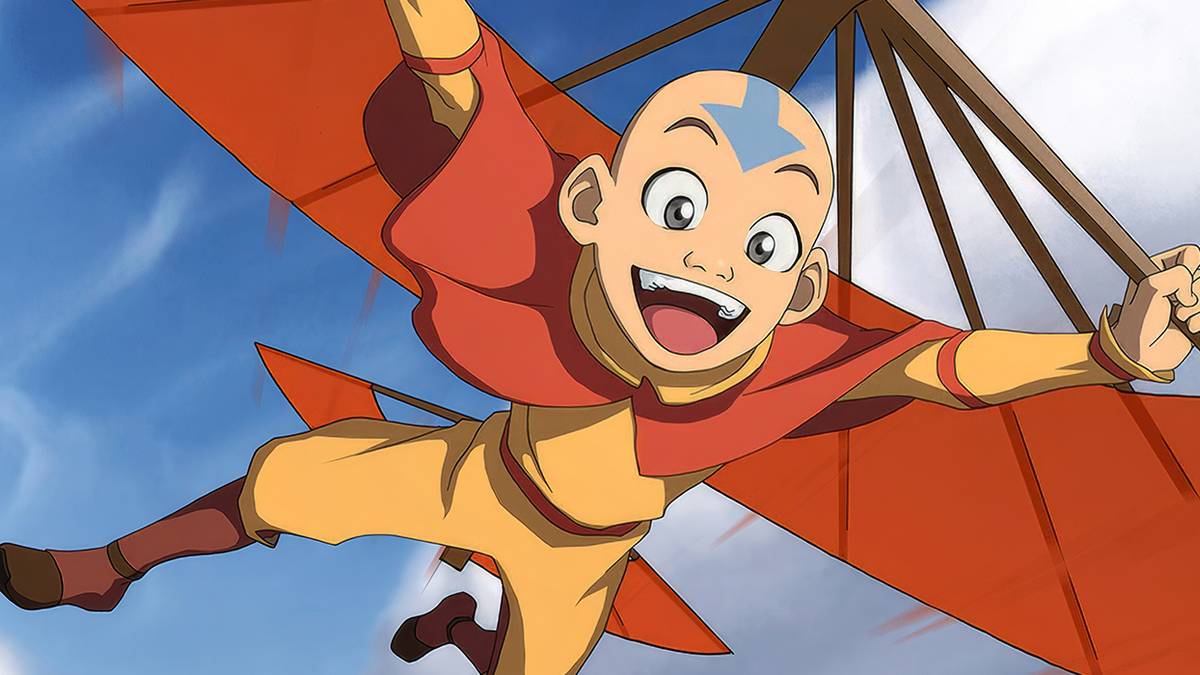
The 2000s were a transformative period for animation, building on the creative boom of the '90s with fresh technology, bold new styles, and dedicated programming blocks. This era saw the rise of CGI, the expansion of adult-oriented animation, and a stunning variety of stories that captivated audiences of all ages. From after-school staples to late-night cult hits, these shows didn't just entertain—they became cultural touchstones.
Instead of an exhaustive catalog, we're taking a journey through the decade one year at a time, highlighting a single, defining series from each. The result is a celebration of the creativity, humor, and heart that made 2000s animation so special.

2000: Aqua Teen Hunger Force
Kicking off the decade with surreal brilliance, Aqua Teen Hunger Force introduced viewers to a trio of sentient fast-food items—Master Shake, Frylock, and Meatwad—sharing a New Jersey home. Their bizarre suburban misadventures, often involving their perpetually suffering neighbor Carl, became a hallmark of Adult Swim's early identity. The show's genius lay in its commitment to absurd, non-sequitur plots held together by sharp dialogue and the oddly endearing dynamic between its main characters. It set a high bar for animated comedy that was unapologetically weird and wildly inventive.
2001: Samurai Jack
In 2001, Genndy Tartakovsky gifted the world Samurai Jack, a visually stunning epic that blended feudal Japan with a dystopian sci-fi future. The story follows a noble samurai, flung forward in time by the demon Aku, as he quests to return to his past and save his world. The series was a masterclass in visual storytelling, using minimal dialogue and breathtaking action sequences to convey emotion and narrative. Its unique aesthetic and atmospheric storytelling influenced a generation of animators and proved that animated action could be both artful and profoundly compelling. For more on animated works that blend fantasy and timeless appeal, explore our look at fantasy films that defined the last 50 years.
2002: Kim Possible
Disney answered the call for a new kind of hero with Kim Possible, a series about a cheerleader who saved the world in her spare time. With her best friend Ron Stoppable and his naked mole-rat Rufus by her side, Kim balanced high school drama with globe-trotting missions against villains like Dr. Drakken and Shego. The show's success stemmed from its witty, self-aware writing and perfectly balanced tone, mixing superhero action with relatable teen humor. Kim Possible became an icon, proving that animated series could feature strong, capable female leads without sacrificing fun or heart.
2003: Teen Titans
Teen Titans reimagined DC's young heroes for a new generation, focusing on Robin, Starfire, Cyborg, Raven, and Beast Boy as a found family living in Titans Tower. The series stood out by seamlessly blending serious, character-driven storylines with episodes of pure, unbridled silliness. Its anime-inspired animation style was fresh for Western television, and it wasn't afraid to explore complex themes of friendship, identity, and responsibility. The dynamic between the five leads—each with distinct personalities and powers—created a formula that was endlessly engaging, making it a cornerstone of 2000s cartoon storytelling.
The diversity of animation in this era was staggering, from the high-stakes drama of superhero teams to the quiet artistry of standalone films. This period also saw the release of memorable animated features, including some delightful Disney movies under 90 minutes that delivered maximum impact with efficient storytelling.
Looking back, the animated landscape of the 2000s was a rich ecosystem where creativity flourished across networks and demographics. These shows laid the groundwork for the animation renaissance we enjoy today, proving that the medium could tell any kind of story. They were more than just cartoons; they were shared experiences that defined childhoods, launched careers, and expanded what audiences expected from the art form. Their legacy continues to inspire new series and attract nostalgic viewers, cementing the 2000s as a true golden age for animation on the small screen.