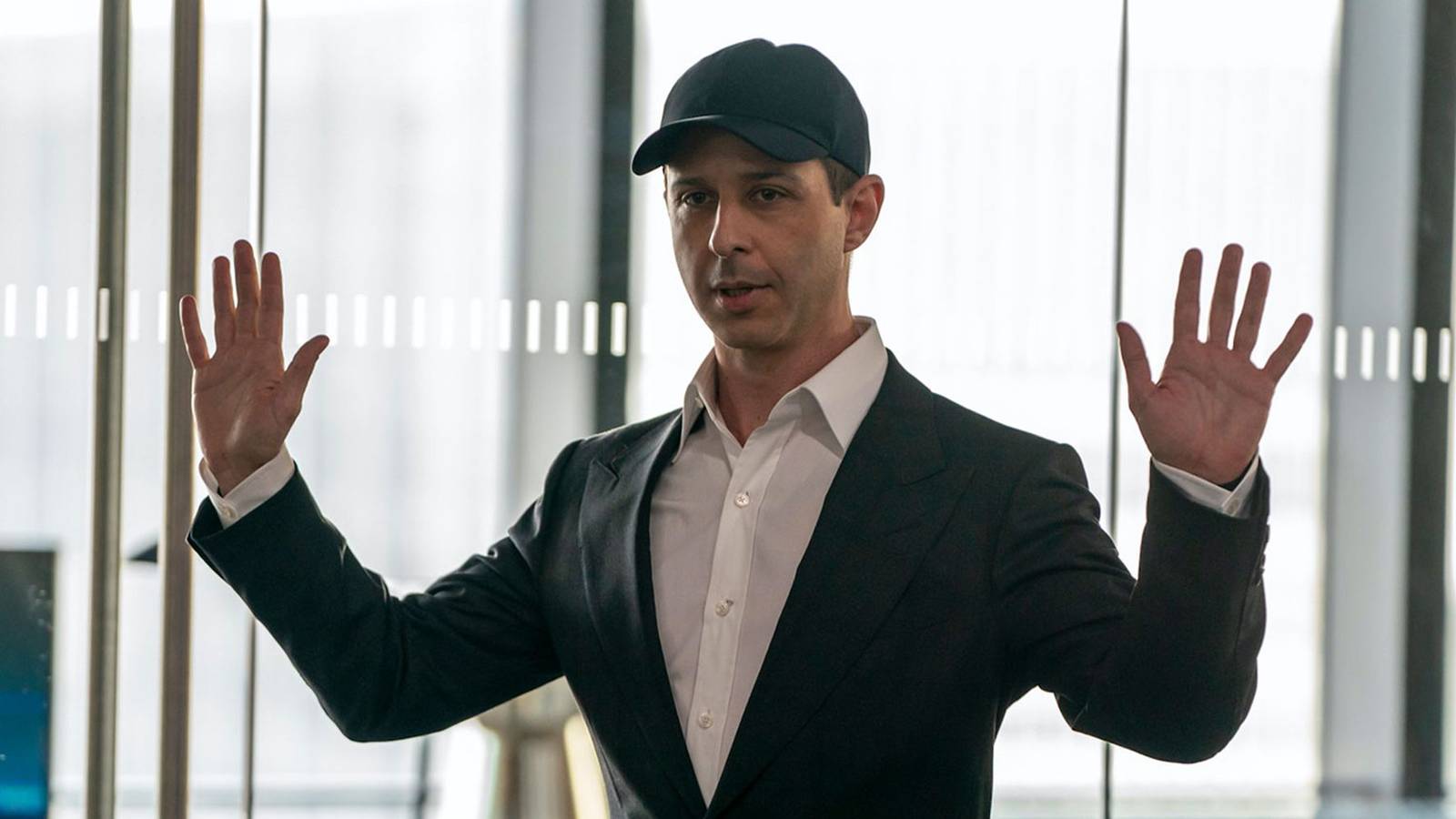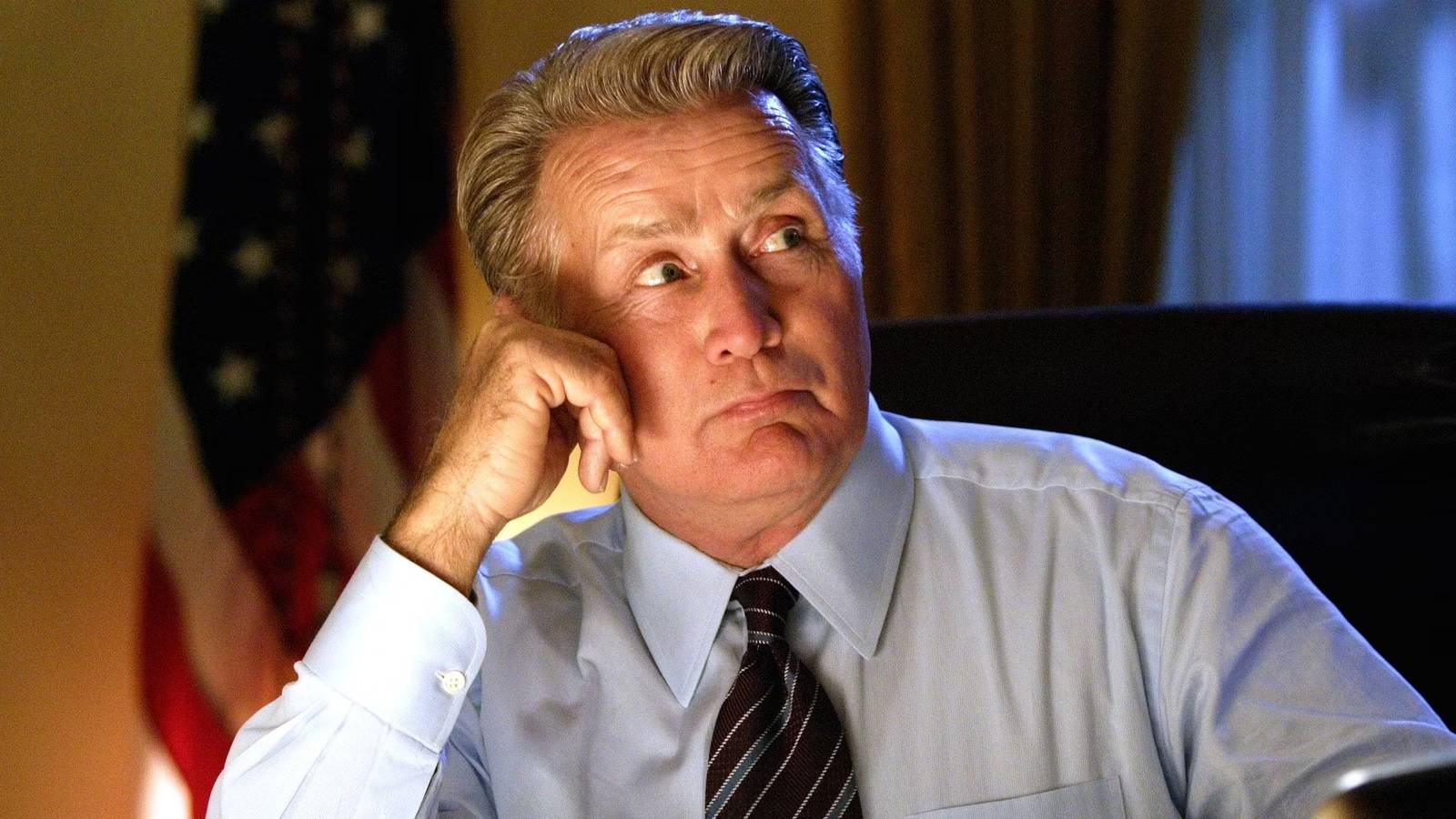
Bradley Whitford picked up a star on the Hollywood Walk of Fame this week, and naturally, the conversation turned to The West Wing. When Variety asked if he'd ever revisit the role of Josh Lyman, the Emmy winner didn't shut the door. "I think there could be a limited series of some kind," he said. That sound you hear is a thousand fans firing up their walk-and-talk fantasies. But hold on—before we start drafting petitions, let's be honest about something. A West Wing revival in 2026 isn't just a long shot; it might be a creative trap.
Aaron Sorkin, who created the series, has also mused about returning to the White House. In 2024, he floated the idea of following a new generation of staffers whose fictional world mirrors "the world we live in." Without that mirror, Sorkin argued, the show's idealistic core wouldn't feel true. And that's exactly the problem. The West Wing was never a documentary—it was a fantasy. A beautiful, articulate, deeply comforting fantasy about smart people using big words to solve big problems. For seven seasons, from 1999 to 2006, it offered a vision of Washington where bipartisanship wasn't a punchline and public service was noble. That vision worked because it existed in a specific moment, surfing the tail end of the Clinton era and pushing back against the Bush years with defiant optimism.
Today, that optimism reads differently. The political landscape of 2026 is not one where a stirring speech across the aisle fixes everything. It's a landscape of entrenched extremism, institutional decay, and a media ecosystem that rewards outrage over reason. A faithful West Wing revival would either have to ignore that reality—making it feel hopelessly naive—or confront it head-on, which would betray the show's escapist DNA. You can't have Bartlet's America without the fantasy that America is fundamentally good and fixable. And right now, that fantasy is harder to sell than ever.
That's not to say the original has lost its power. The ensemble cast—Allison Janney, Martin Sheen, Rob Lowe, and yes, Whitford—created characters so vivid and morally grounded that they still feel like friends. The writing crackled with theatrical wit and genuine moral urgency. It's no wonder the show became a precursor to the prestige TV era. But the magic came from the tension between idealism and reality, and that tension has shifted. The Bartlet administration's problems—bigotry, corruption, regressive policies—are still with us, but the solutions the show offered now seem like relics from a more hopeful time.
Remember the 2020 reunion special on HBO Max? That worked because it had a clear purpose: to boost voter registration and support Michelle Obama's When We All Vote initiative. It was a one-night-only event, a nostalgic hug with a civic mission. It didn't try to reboot the series; it honored what was. And that's the right approach. The West Wing is best preserved as a time capsule—a profoundly meaningful artifact that reminds us of what we once aspired to be. Trying to update it for 2026 would be like putting a fresh coat of paint on a historic landmark: you'd only obscure what made it special.
So while Whitford's comments are fun to dream on, the timing has passed. The world moved on, and so did the show's particular brand of hope. Sometimes the best way to respect a legacy is to leave it alone. Let Bartlet remain in amber, a bittersweet comfort for when we need it most. A reboot? In this climate, it would be a walk-and-talk straight into a wall.