Thanks to HBO's Lanterns reimagining the Green Lantern mythos, fans are giving the much-maligned 2011 Green Lantern film another look. The Ryan Reynolds-starring movie has even climbed into HBO Max's top 10, sitting just above the animated Green Lantern: Beware My Power. After years of jokes at its expense, it's surprising to see the film back in the spotlight. But for all its well-documented problems, the 2011 movie actually does one thing better than Lanterns so far: it fully embraces the alien, intergalactic side of the story.
Embracing the Weird and Wonderful Cosmos
Let's be clear: Green Lantern has its issues. Reynolds wasn't everyone's ideal Hal Jordan, the pacing stumbles, and turning Parallax into a giant space cloud was a questionable choice. But when the movie works, it works. Mark Strong's Sinestro remains a fan favorite, and the film's balance between Hal's Earth-bound troubles and his cosmic duties is surprisingly effective. James Newton Howard's score adds weight, and the design of the alien Corps members—pulled straight from the comics—gives the universe a lived-in, expansive feel.

The film never shies away from showing bizarre, outlandish extraterrestrials. Director Martin Campbell populates the Corps with creatures that look like they belong in a cosmic bar brawl, not just humans with green rings. This commitment to alien diversity makes the Green Lantern Corps feel like a truly universal peacekeeping force, vital to the galaxy's survival. When Parallax threatens, the stakes feel genuinely cosmic.
Lanterns' Grounded Approach Has a Cost
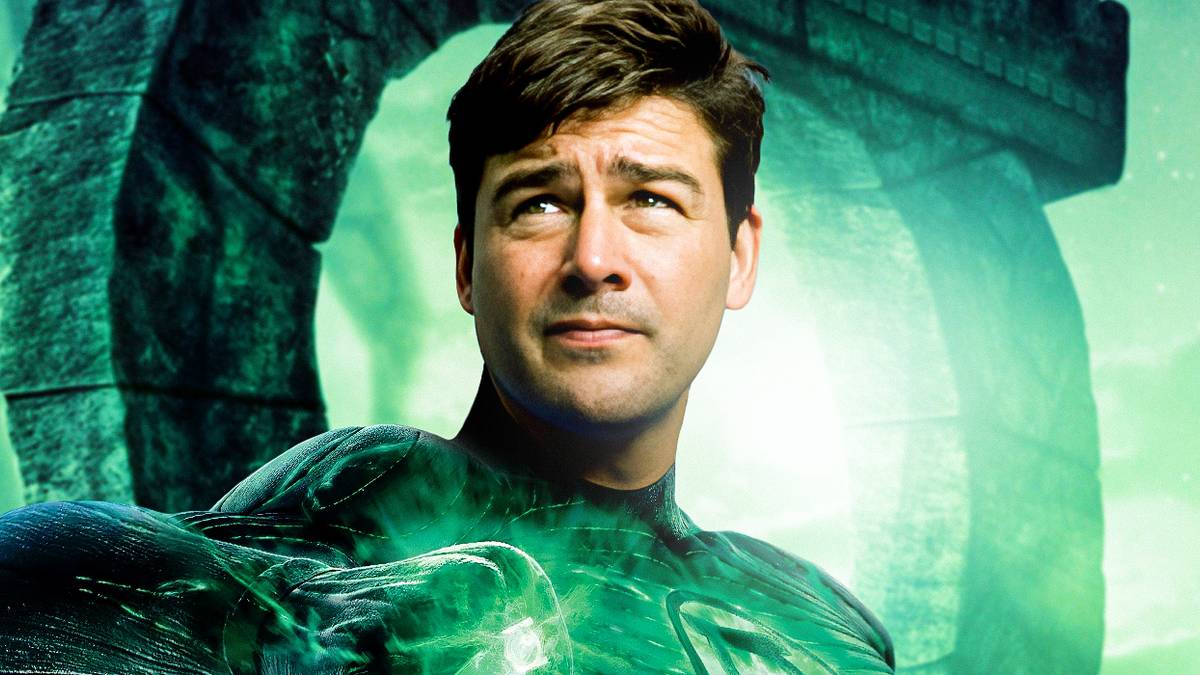
Lanterns, on the other hand, deliberately grounds itself. It's a prestige detective drama, more True Detective than Star Wars. While that's a valid creative choice, it means the show has so far ignored the space-operatic grandeur that defines the Green Lantern lore. Kyle Chandler's Hal Jordan feels isolated from his fellow Corps members—you'd be hard-pressed to imagine him bantering with Kilowog or Tomar-Re. The universe feels smaller, more terrestrial.
This isn't to say Lanterns is worse overall—it's arguably a better character study. But the 2011 film's willingness to dive into the cosmic weirdness is something fans of the comics have been craving. The movie's universe felt vast and ripped from the pages of classic Green Lantern adventures. It wasn't afraid to be a little silly, and that's part of its charm.
What the Future Holds
Of course, Lanterns could still surprise us. As Hal and John Stewart (Aaron Pierre) investigate the Manhunters, they might encounter more alien lifeforms. We hope so. But so far, the show has kept its extraterrestrial elements mostly in the shadows—even Sinestro (Ulrich Thomsen) looks more sunburned than alien. For those of us who want to see the Green Lantern Corps in all its colorful, intergalactic glory, the 2011 film remains the better showcase.
It's a shame, because the potential is there. The Manhunters' arrival hints at deeper cosmic lore, but the show seems hesitant to fully commit. Meanwhile, the 2011 movie, for all its flaws, dove headfirst into the weird. It's a reminder that sometimes embracing the source material's strangeness is the best way to honor it.
So while Lanterns may be the more polished production, the 2011 Green Lantern still holds a special place for fans who want their superheroes to travel the stars. It's a fun, flawed relic that understood the assignment: give us aliens, give us space, give us the Green Lantern Corps in all its bizarre glory. And for that, it deserves a little more respect than it gets.