Alien invasion stories often follow a familiar blueprint: extraterrestrial forces descend upon Earth, humanity is overwhelmed by superior technology, and a desperate struggle ensues. But Steven Spielberg has a knack for subverting expectations, and his 52-episode epic Falling Skies is a prime example. Fifteen years after its debut, this series still proves why it deserves a spot among the best sci-fi shows of its era.
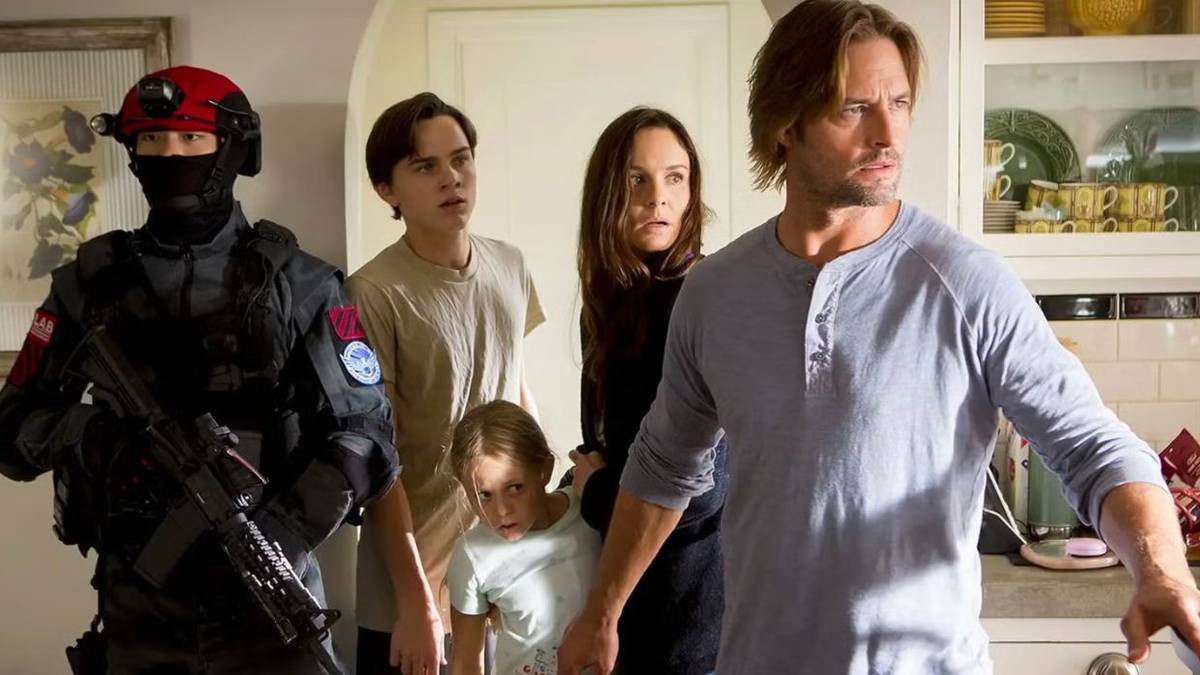
Created by Robert Rodat and produced by Spielberg's Amblin Television, Falling Skies begins with a catastrophic invasion by the Espheni, an alien race that neutralizes human technology and wipes out 90% of the population. Six months later, the remnants of humanity are fighting back, led by the 2nd Mass militia, a ragtag group that includes history professor turned soldier Tom Mason, played with grit and heart by Noah Wyle. Unlike most invasion narratives, this show doesn't skip past the aftermath of Earth's defeat—it dives deep into the struggle to survive and rebuild.
A Story of Survival, Not Just Warfare
Spielberg's involvement went beyond a producer credit. He helped shape the concept, came up with the title, and emphasized the human element. As he once said, "I've always been interested in how we survive and how resourceful we are as Americans. How would the survivors feed the children? How do they resupply themselves militarily in order to defend and even take back what they have lost?"
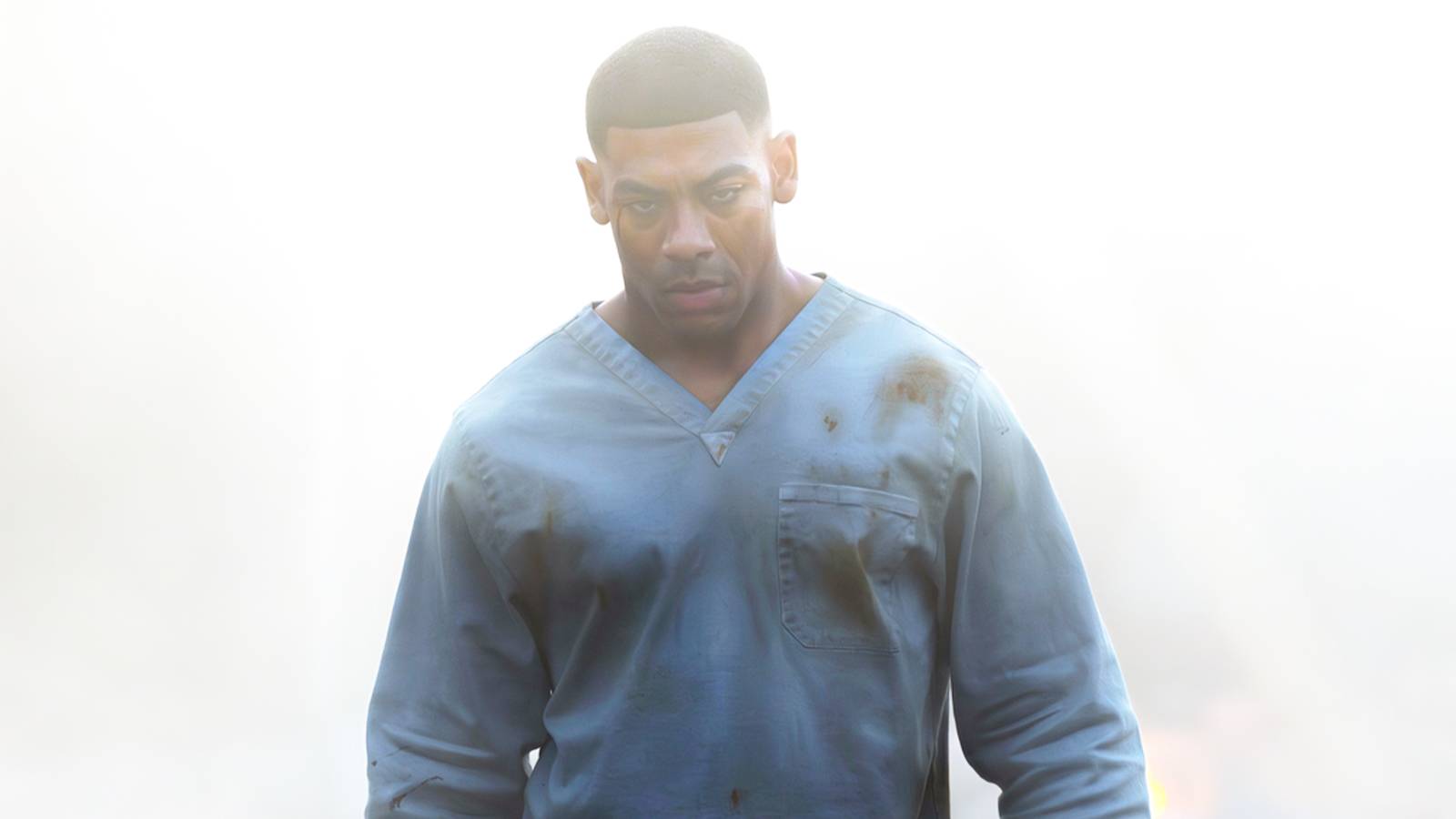
That focus on resilience is what sets Falling Skies apart. Tom uses his knowledge of history to anticipate the Espheni's tactics while also raising his sons—Hal, Ben, and Matt—amid the chaos. He finds love with doctor Anne Glass, and their relationship adds a layer of warmth to the bleak landscape. Other characters, like Anne's assistant Lourdes, grapple with faith and doubt, making the series as much about human connection as it is about alien battles.
Action That Packs a Punch
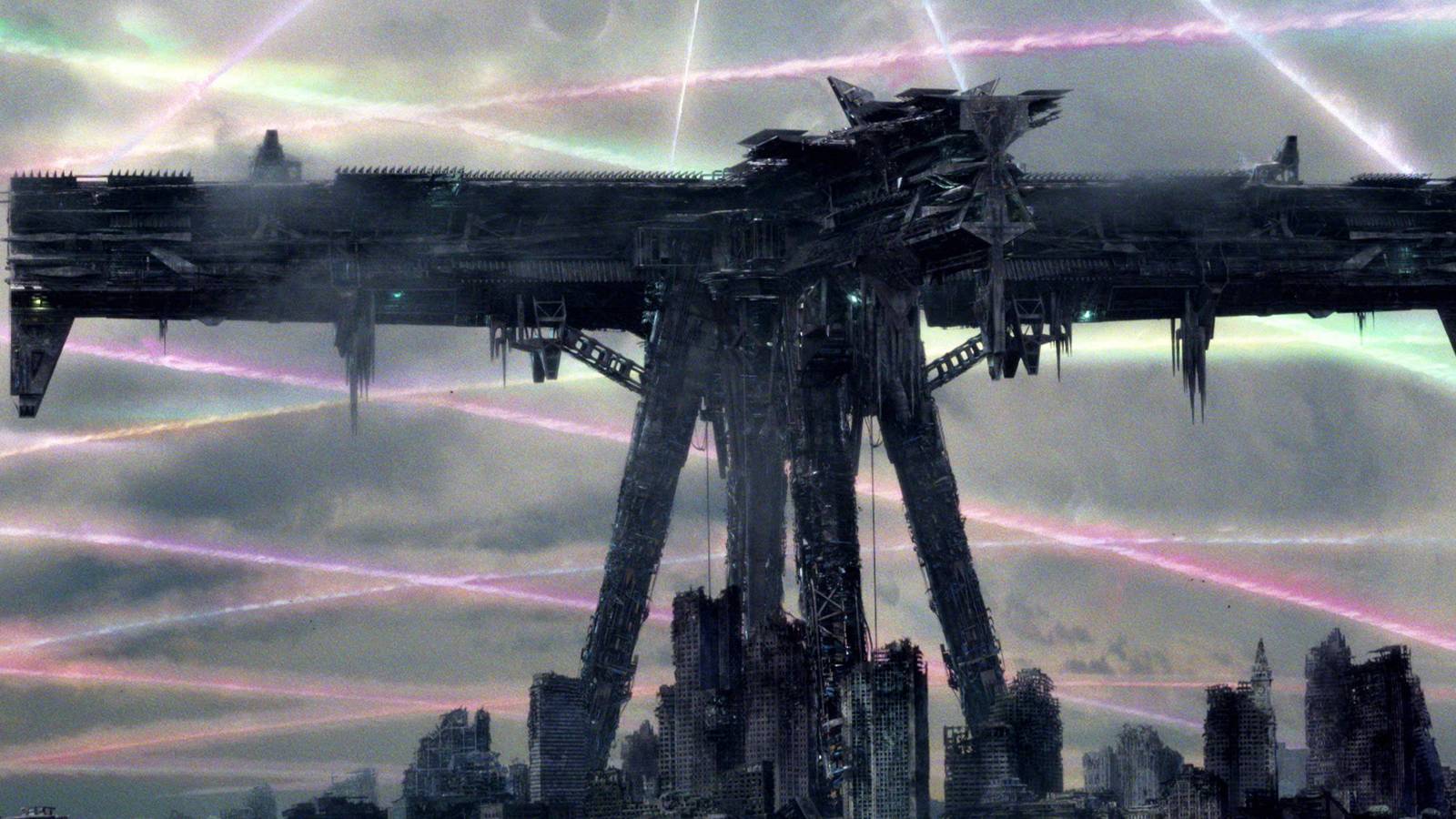
The fight scenes in Falling Skies are nothing short of spectacular. Think Saving Private Ryan meets giant robots and alien monsters—a fitting comparison, given that Rodat and Spielberg previously collaborated on that war classic. The battles are intense, visceral, and visually impressive, making the show feel like a blockbuster movie stretched across five seasons.
The series also boasts a rich mythology, with the Espheni evolving from faceless invaders to complex antagonists. The special effects hold up remarkably well, and the creature designs are memorable, from the skittering mechs to the towering behemoths.
A Legacy That Endures
Falling Skies was a ratings juggernaut when it aired on TNT, setting records for its premiere and becoming one of the network's most-watched dramas. Its five-season, 52-episode run is a testament to its staying power, especially when compared to other Amblin sci-fi efforts like Under the Dome, which fizzled out, or Terra Nova, which never found its footing. Even Extant, despite its star power, couldn't match the longevity of this series.
Fifteen years later, Falling Skies remains a compelling watch because it's never just about the invasion. It's about what people build when everything is stripped away. The action is thrilling, the aliens are iconic, and Spielberg's touch is evident in every frame. For anyone seeking a completed sci-fi saga with depth and excitement, this is a journey worth taking.
If you're in the mood for more underrated sci-fi, check out why Westworld deserves its final chapter or revisit the prehistoric survival of Terra Nova. And for a different kind of alien tale, Slow Horses proves Jack Lowden is the spy we need.