When Saturday Night Live crossed the Atlantic as SNL UK, it inherited the sketch format, the live chaos, and the iconic cold opens. But it also picked up a distinctly British advantage: the freedom to swear. While the American original has spent decades dancing around FCC regulations, its UK counterpart can drop F-bombs with impunity. Yet, as the show settles into its run, a question lingers: is that freedom actually making the comedy better, or is it just a gimmick?
The Rules of the Game
In the US, Saturday Night Live airs on NBC, which must comply with Federal Communications Commission (FCC) rules. These regulations restrict indecent and profane content on broadcast TV between 6 a.m. and 10 p.m. That's a tight window for a live show that airs at 11:30 p.m. Eastern, but the real headache is the West Coast, where the same broadcast goes out at 8:30 p.m. — well before the safe-harbor period. This means the show has to be clean enough for primetime on one coast, even if it's late-night on the other.
Over the years, that has led to some infamous on-air slips. In 1981, cast member Charles Rocket uttered an unscripted F-word during a sketch and was fired. More recently, Sabrina Carpenter sang an uncensored lyric, and Kristen Stewart let a curse slip, but neither faced the same consequences. Still, the threat of fines and public outcry keeps the writers on a tight leash.
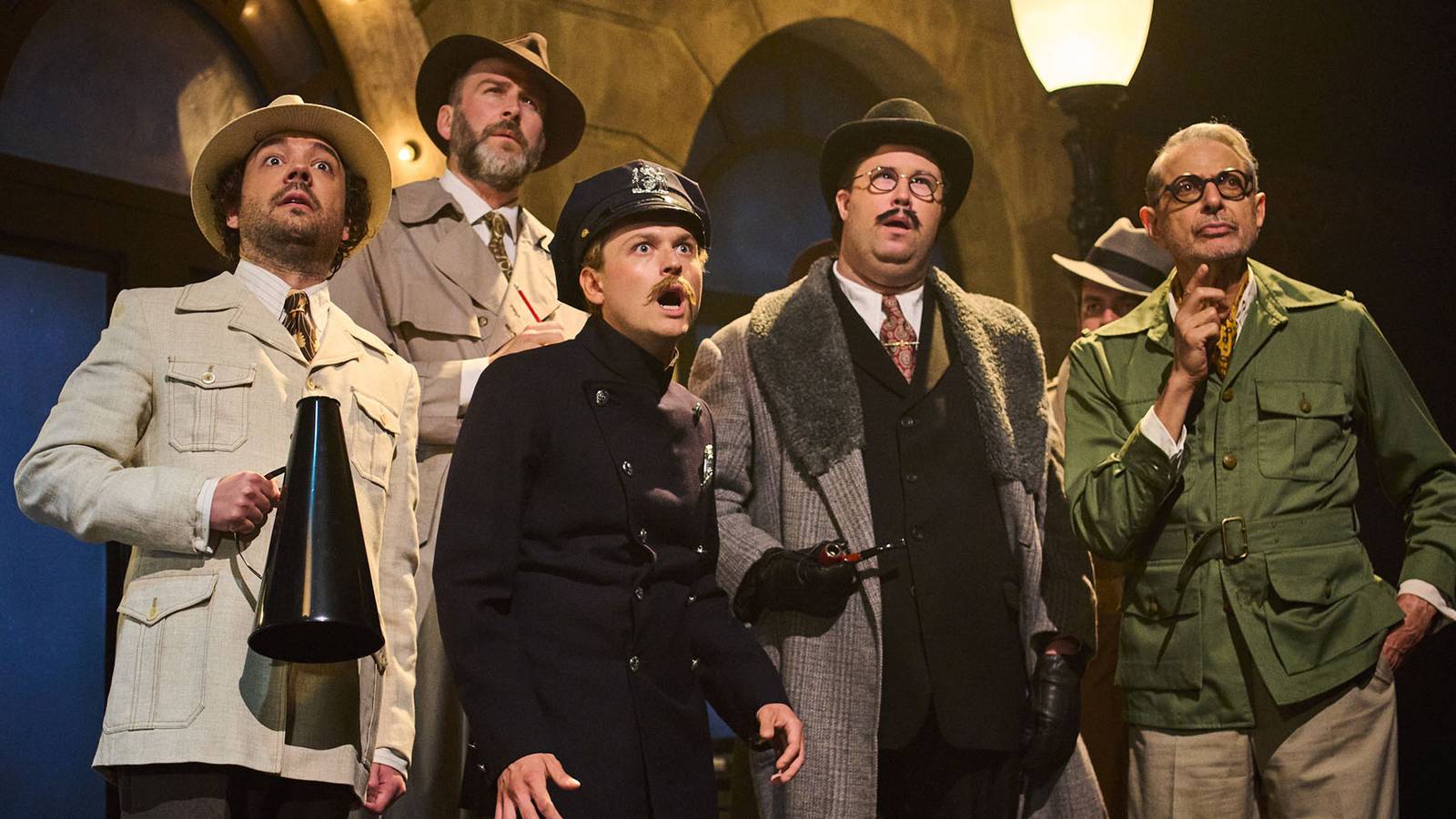
In the UK, the rules are different. The watershed at 9 p.m. means that shows airing after that can use stronger language, provided it's justified by context. SNL UK airs at 10 p.m., giving it room to be more explicit. The show has used that freedom, but sparingly. In one sketch, a Gen Z Shakespeare dropped a c-bomb (with a 'y' at the end, making it 'cunty,' which apparently passes muster). But for the most part, the writers seem to be holding back.
The Art of the Curse
British comedy has a rich tradition of profanity used to reveal character. Think of Malcolm Tucker in The Thick of It, whose insults are almost poetic in their construction. "Come the fuck in or fuck the fuck off" is funny not just because it's rude, but because of its rhythm and the way it establishes Tucker as a man who thinks everyone else is an idiot. Similarly, Peep Show uses swearing to expose the insecurities of Mark and Jeremy, making the language feel organic to their personalities.
That's the key: profanity works best when it's earned, not just thrown in for shock value. Bowen Yang, who recently left the US SNL, has argued that the show would benefit from a few well-placed curses per season. He suggested allowing "at least five shits and five fucks" to make sketches feel more real. But Amy Poehler countered that the restriction itself can be a comedic tool. The tension of almost saying a forbidden word, the bleep, the euphemism — all of that can be funnier than the actual curse.
Does SNL UK Use Its Advantage?
So far, SNL UK has been cautious. The show's producers have said they want to use language judiciously, not just for the sake of it. That's a smart approach, but it also means the show isn't fully exploiting its edge. The best British comedy uses swearing as a weapon, not a crutch. If SNL UK can find that balance, it could carve out a distinct identity from its American parent. If not, it risks being just another sketch show with a potty mouth.
As the show continues, viewers will be watching to see if the writers embrace the freedom or play it safe. In a landscape where British TV dramas are celebrated for their gritty realism, SNL UK has a chance to bring that same authenticity to comedy. But as other franchises have learned, more freedom doesn't always mean better results. Sometimes, the best jokes are the ones you have to work for.