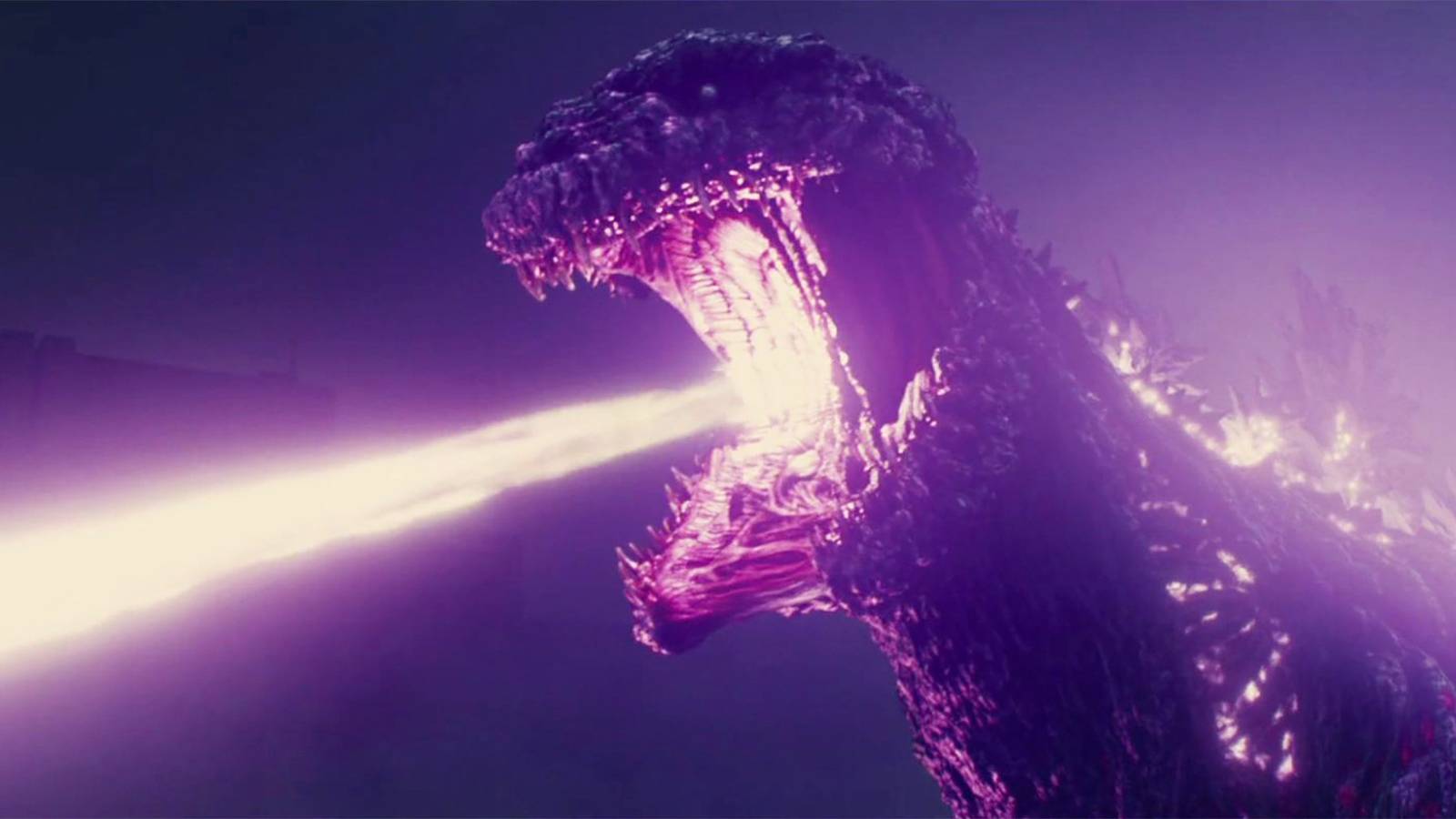
Godzilla movies are a blast when the big guy is smashing buildings and battling other monsters. But let's be honest: the human characters are usually a drag. Hollywood has struggled for decades to make the people in these films interesting, often resorting to clichés like estranged families or last-minute romances. Then came Shin Godzilla (2016), a Toho production that solved the problem by simply dropping the human drama altogether and focusing on something far more compelling: government red tape.
Directed by Hideaki Anno and Shinji Higuchi, Shin Godzilla follows a mysterious creature emerging from Tokyo Bay that evolves rapidly, threatening to destroy the city. The entire plot? The Japanese government tries to stop it. That's it. No love interests, no heroic sacrifices—just a two-hour procedural about how a real-world government would handle a giant monster crisis.

Bureaucracy as Tension
The film's genius lies in its painstaking attention to bureaucratic detail. Instead of sweaty generals yelling in war rooms, we get officials in taupe-colored offices dryly discussing legal channels and approval processes. Attack helicopters can't just be deployed; proper forms must be signed. This should be crushingly dull, but it's not. The cross-cutting between meetings and Godzilla's destruction creates genuine anxiety: every delay means more deaths. As one character laments, 'So much red tape. Every action requires a meeting.' That line is the movie's thesis.
By grounding the fantasy in realism, Shin Godzilla makes its monster even scarier. Godzilla is overpowered and otherworldly, but the contrast with the mundane, procedural world makes the threat feel overwhelming. It's a far cry from Hollywood's approach, which often tries to humanize the monster or give it a sympathetic backstory. For a deeper dive into how the MonsterVerse handled similar challenges, check out how the MonsterVerse united Godzilla and King Kong fans across five epic films.
No Hero, No Problem
The film's protagonist, Haguchi (Hiroki Hasegawa), is deliberately underwritten. He has no family, no love interest, no personal arc. His motivation is the same as everyone else's: survive and save Tokyo. That's enough. The story takes an omniscient perspective, cutting to wherever vital information is, rather than following one person's journey. This streamlined approach makes the film feel urgent and focused, unlike many kaiju movies that bog down in human melodrama.
This isn't to say human stories can't work in kaiju films. Godzilla: Minus One (2023) proved that a family dynamic can enhance the monster mayhem. But Shin Godzilla took a different, equally valid path: it made the monster the star and the bureaucracy the story. For fans of unique monster narratives, our ultimate ranking of sci-fi's most iconic movie monsters offers more insights.
A Blueprint Hollywood Ignores
From a Western perspective, Shin Godzilla defies expectations. There are no themes of family or character arcs—barely a main character. It's just a large group of people doing their jobs during a crisis. That procedural realism is what makes it so compelling and unique. Hollywood still hasn't figured out how to make a kaiju movie without forced human drama, but Shin Godzilla shows it's possible—and thrilling. For more on how the genre continues to evolve, see how Godzilla and Gamera vets are uniting in a new monster franchise.