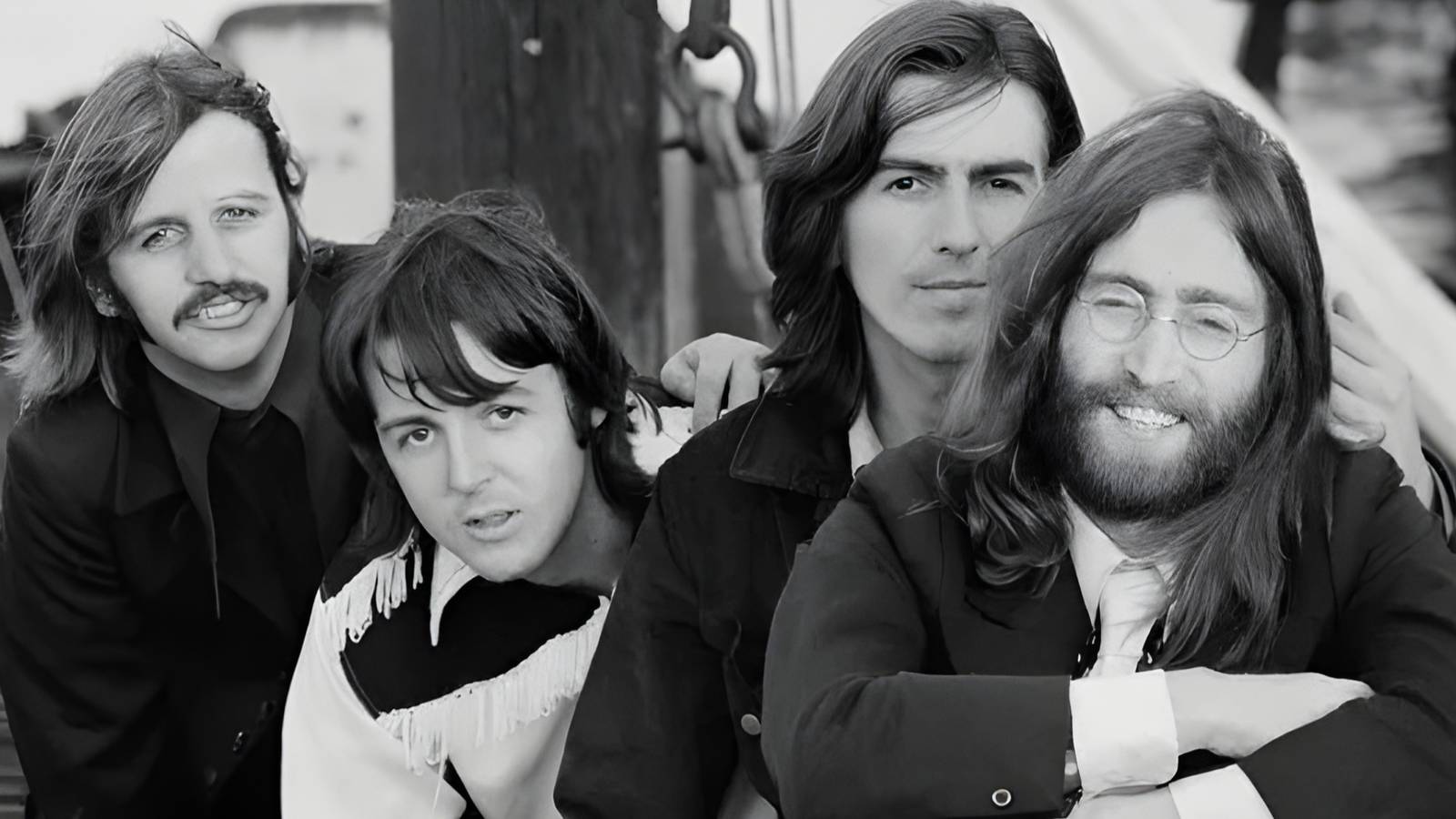
In 1969, The Beatles were at a creative high, but their personal relationships were fraying. As they gathered to record Abbey Road, tensions simmered beneath the surface. Earlier that year, the Let It Be sessions had been plagued by discord, with cameras capturing every strained moment for a TV special. George Harrison even briefly quit the band. When they regrouped for Abbey Road, they hoped for a fresh start—but one song threatened to unravel that fragile peace.
That song was “Maxwell’s Silver Hammer,” a Paul McCartney composition that he loved dearly. But his bandmates? They couldn’t stand it. The track became a flashpoint, exposing the growing rift between McCartney’s perfectionism and the others’ patience.
The 1969 Band Dynamics
1969 was the last full year The Beatles operated as a band. While they officially split in 1970, the previous year saw them complete Let It Be and Abbey Road. The Let It Be sessions were notoriously tense, with Yoko Ono’s presence reportedly causing friction and Harrison struggling to get his songs heard. After those sessions wrapped in late January, the band decided to pivot. They called producer George Martin, who agreed to produce a new album only if they worked “like we used to”—without the cameras and distractions.
For a moment, things seemed to improve. John Lennon and McCartney reconnected while recording “The Ballad of John and Yoko” as a duo. But the harmony didn’t last. When McCartney insisted on perfecting “Maxwell’s Silver Hammer,” old tensions flared.
The Drama Behind the Song
McCartney had been tinkering with “Maxwell’s Silver Hammer” long before Abbey Road. Rehearsals appear in Peter Jackson’s documentary The Beatles: Get Back. But the recording process was grueling. McCartney’s relentless pursuit of a specific sound meant endless takes, and his bandmates grew resentful.
Ringo Starr later called it “the worst track we ever had to record.” In a 2008 interview, he said, “It went on for f****** weeks. I thought it was mad.” John Lennon was equally blunt: “That’s Paul’s, I hate it. He made us do it a hundred million times. He did everything to make it into a single, and it was never, and it never could’ve been.” Lennon even claimed the band spent more money on that song than any other on the album.
George Harrison’s objection was more aesthetic. “Sometimes Paul would make us do these really fruity songs,” he said. “I mean, my God, ‘Maxwell’s Silver Hammer’ was so fruity.” Harrison, who had fought for his own songs to be included, resented being forced to labor over a track he disliked.
Why McCartney Loved It
Despite the backlash, McCartney remained fond of the song. Its cheerful melody and dark lyrics—about a student named Maxwell Edison who murders people with a hammer—showcased his love for juxtaposing upbeat music with macabre themes. For McCartney, it was a playful experiment. But for the band, it was a source of frustration.
In hindsight, “Maxwell’s Silver Hammer” never became a fan favorite. Yet it remains a fascinating artifact of The Beatles’ final creative burst—a testament to McCartney’s vision, even when it clashed with his bandmates. For more on the band’s legacy, check out our analysis of “Strawberry Fields Forever”.
Ultimately, the song’s inclusion on Abbey Road underscores the creative tension that defined The Beatles’ later years. While McCartney’s perfectionism could be exhausting, it also produced some of the band’s most iconic work. But as his bandmates made clear, not every experiment was a hit.