There's something undeniably magnetic about a great thriller. The genre's broad umbrella pulls in audiences who crave that edge-of-the-seat tension, whether it comes from a psychological puzzle, a pulse-pounding chase, or a slow-burn social commentary. But what separates a good thriller from a truly unforgettable one? Often, it's the director's vision—the ability to craft every frame, every beat, and every performance into a cohesive, gripping whole.
Over the decades, we've seen countless thrillers rise to prominence, but only a select few are so perfectly directed that they're immediately hailed as masterpieces. These films don't just entertain; they linger in your mind long after the credits roll, influencing filmmakers and captivating audiences for generations. From legendary auteurs to fresh voices who redefined the genre, these directors delivered works of art that are as technically brilliant as they are emotionally resonant.
Scorsese's Urban Nightmare: Taxi Driver (1976)
Martin Scorsese has a filmography packed with contenders for his greatest work, but Taxi Driver stands as a watershed moment—not just for his career, but for cinema itself. It launched his legendary partnership with Robert De Niro and introduced the world to Travis Bickle, a lonely, mentally unraveling Vietnam veteran who drives a cab through a decaying New York City. As his insomnia and isolation spiral into psychosis, Bickle decides to take violent action to "clean up" the city, leading to a harrowing climax that blurs the line between hero and vigilante.
Scorsese's direction is masterful in its restraint. He doesn't glamorize Bickle's descent; instead, he uses subtle techniques—like pan-away shots that reveal Bickle's solitude or dreamlike slow-motion that distorts reality—to place us inside his fractured mind. The film is uncomfortable, but never gratuitous, because every choice serves to illuminate Bickle's state of being. Taxi Driver is a deeply intimate character study that proves Scorsese doesn't need a sprawling ensemble to create an epic. It's a cornerstone of 1970s cinema, and its power remains undiminished.
Peele's Social Thriller Revolution: Get Out (2017)
When Jordan Peele, known for comedy on MADtv, announced his directorial debut would be a horror film, few could have predicted the seismic shift it would cause. Get Out arrived in 2017 and immediately established Peele as a visionary who could blend social commentary with genuine terror. The story follows Chris Washington (Daniel Kaluuya), a Black photographer, as he visits his white girlfriend's family estate. What begins as awkward microaggressions soon reveals a horrifying conspiracy: the family lures Black people to their home to transplant elderly white minds into their bodies, trapping victims in a paralyzing void called the "sunken place."
Peele's direction is meticulous, building tension through psychological discomfort rather than jump scares. He holds a mirror to society, making the horror feel terrifyingly plausible. By placing us in Chris's perspective, we experience the anxiety of being an outsider in a world that smiles while plotting your demise. The film's payoff is both satisfying and empowering, cementing Get Out as a modern classic that redefined what a thriller could say about race and identity.
The Safdie Brothers' Anxiety Machine: Uncut Gems (2019)
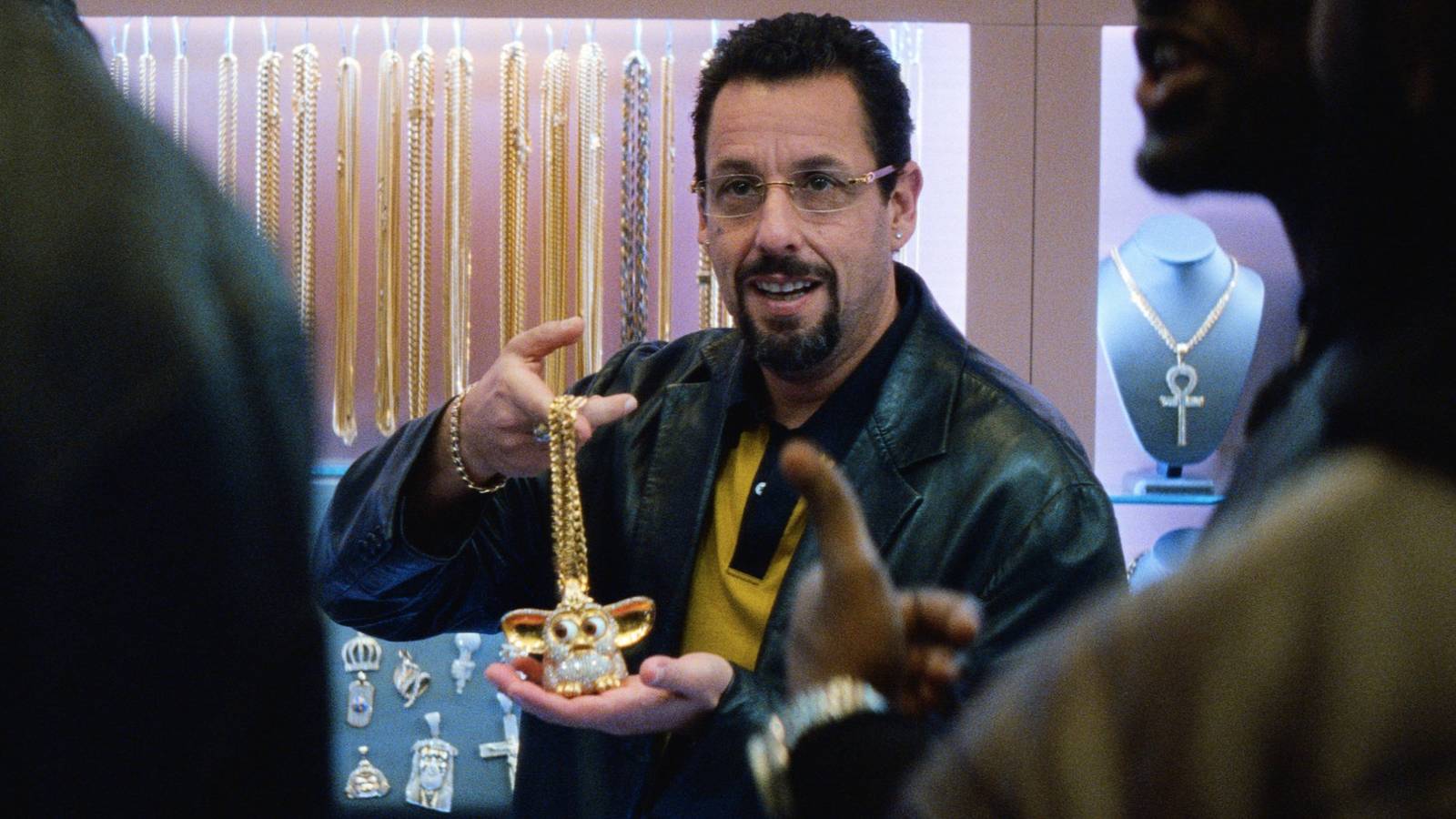
Josh and Benny Safdie have carved a niche for themselves as masters of cinematic chaos, and Uncut Gems is their crowning achievement. The film follows Howard Ratner (Adam Sandler in a career-best performance), a New York City jeweler with a gambling addiction, as he risks everything on a rare Ethiopian opal. The Safdies craft a relentless, claustrophobic experience that feels like a panic attack on screen—every conversation overlaps, every decision spirals, and the tension never lets up.
What makes their direction so perfect is the way they weaponize sound and pacing. The constant chatter, the blaring score, and the frantic editing create an almost unbearable sense of urgency. Yet beneath the chaos, there's a meticulous structure that pays off in a gut-punch finale. Uncut Gems is a testament to the Safdies' ability to turn anxiety into art, and it solidified them as two of the most exciting directors working today.
Bong Joon-ho's Class Warfare Masterpiece: Parasite (2019)
Bong Joon-ho's Parasite made history as the first non-English-language film to win the Academy Award for Best Picture, and its direction is a big reason why. The film follows the impoverished Kim family as they gradually infiltrate the wealthy Park household through a series of deceptions. What starts as a dark comedy morphs into a tense thriller and then a shocking tragedy, all while exploring themes of class inequality with razor-sharp precision.
Bong's direction is a masterclass in tonal shifts. He seamlessly moves from humor to horror to heartbreak, never letting the audience settle into comfort. The film's visual storytelling—from the verticality of the Park's modern home to the claustrophobic basement—mirrors the social hierarchy at its core. Every shot is purposeful, every performance perfectly calibrated. Parasite isn't just a great thriller; it's a global phenomenon that proved cinema can transcend language and culture.
More Perfectly Directed Thrillers
While these four films are standout examples, the list of perfectly directed thrillers is rich with other gems. Se7en (1995) showcases David Fincher's meticulous, grim vision of a serial killer's moral game. No Country for Old Men (2007) finds the Coen Brothers at their most precise, crafting a cat-and-mouse chase that's as philosophical as it is violent. Psycho (1960) remains Alfred Hitchcock's ultimate exercise in suspense, with its iconic shower scene still shocking audiences today. And Heat (1995) sees Michael Mann deliver a crime epic with a legendary bank heist sequence that set the standard for action-thrillers.
These directors—and many others—have proven that a thriller's success hinges on the person behind the camera. Whether it's Scorsese's psychological depth, Peele's social awareness, the Safdies' relentless energy, or Bong's tonal mastery, each film on this list is a testament to the power of direction. For fans of the genre, these are essential viewing—not just for their entertainment value, but for their artistry. And if you're looking for more recommendations, check out our list of thriller books that are a masterclass in tension or explore some forgotten thrillers to stream in 2026.
In the end, a perfectly directed thriller is more than just a story—it's an experience that stays with you, challenging your perceptions and leaving you breathless. These 13 films are the cream of the crop, and they deserve their place in the pantheon of cinematic masterpieces.