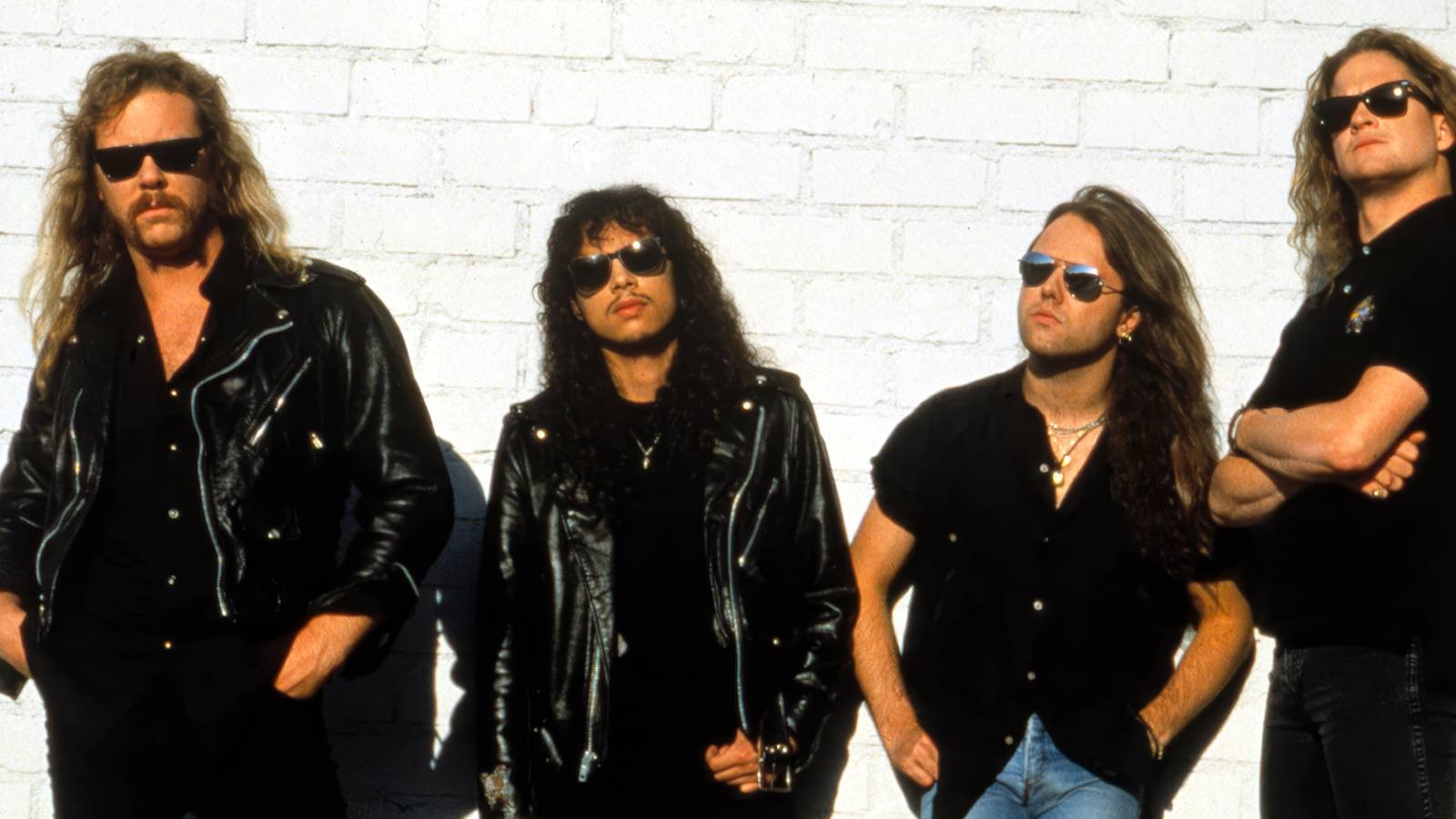
In the fall of 1990, Metallica walked into One on One Recording Studio in North Hollywood with a mission: to evolve. Coming off the massive success of ...And Justice for All and their first headlining arena tour, the band was ready to push beyond the thrash metal confines that had defined their early career. They enlisted producer Bob Rock, fresh off helming Mötley Crüe's Dr. Feelgood and The Cult's Sonic Temple, to help them capture a sound that was heavier, cleaner, and more accessible than anything they'd done before.
Rock's influence was immediate. He pushed frontman James Hetfield to deliver vastly improved vocal performances and worked to build a tighter rhythm section, something that had been noticeably lacking on their previous record. In the documentary A Year and a Half in the Life of Metallica, bassist Jason Newsted explained the band's desire to create a more unified sound behind the assault of Hetfield and Kirk Hammett's guitars. The result was an 18-month recording marathon that saw the band refine their approach, focusing on slower grooves, concise arrangements, and powerful vocals.
For the first time, many songs began as vocal melody lines rather than guitar riffs. Hetfield noted, "We wanted to concentrate more on the vocals. We never really took the time to do that with any of the vocal stuff. The vocals really had to take over in a lot of songs." That shift in focus paid off spectacularly. When the self-titled album—universally known as The Black Album—dropped on August 12, 1991, it didn't just top the charts; it redefined what heavy metal could be.
A Chart-Topping Phenomenon
The Black Album debuted at No. 1 on the Billboard 200 and stayed there for four consecutive weeks. It spawned five hit singles: "Enter Sandman," "The Unforgiven," "Nothing Else Matters," "Wherever I May Roam," and "Sad But True." The lead single, "Enter Sandman," with its iconic opening riff, became an instant classic, peaking at No. 16 on the Billboard Hot 100 and winning an MTV Video Music Award. The album's commercial success was unprecedented for a metal record, eventually selling over 31 million copies worldwide, making it the best-selling heavy metal album in history.
The production techniques Bob Rock employed were as innovative as the songwriting. For "Sad But True," he created what the band called the "Tent of Doom"—a makeshift enclosure of wooden panels and baffles surrounding multiple amplifiers, with microphones placed both close and far to capture a thick, multidimensional guitar tone. The result was a sound that leapt off the record, setting a new standard for metal production.
Pushing Boundaries and Taking Risks
The album showcased a maturing band willing to experiment. "The Unforgiven" flipped the traditional metal ballad formula, swapping distorted verses for a clean chorus and gentle vocals from Hetfield. Kirk Hammett struggled to nail the solo but ultimately delivered one of his most melodic and gripping performances, later admitting, "It's pretty much the type of guitar solo I've been trying to do for the past five or six years. I'm really proud of that." The song became a top 40 hit and spawned two sequels, proving its lasting impact.
"Nothing Else Matters" was Metallica's first true power ballad, featuring Hetfield on the melodic guitar solo and a string arrangement conducted by Michael Kamen with the London Symphony Orchestra. It was a bold move for a band known for its aggressive thrash roots, but it paid off, becoming another top 40 hit and a staple of their live shows.
Yet the album didn't abandon their heavier side. Tracks like "Through the Never," "Of Wolf and Man," "Don't Tread on Me," and "Holier Than Thou" harkened back to their thrash beginnings, while "The God That Failed" and "My Friend of Misery"—the only song with a writing credit from Jason Newsted—showcased progressive song structures and impressive guitar work that still resonate today.
A Vulnerable Side That Resonates
Lyrically, The Black Album marked a departure from the band's usual themes of war, history, and horror. Instead, Hetfield explored universal human emotions—loss, isolation, and personal struggle—revealing a vulnerability that was previously hidden. Songs like "Nothing Else Matters," "The Unforgiven," and "The God That Failed" featured heartfelt lyrics and emotional vocal performances, with Rock coaxing out some of Hetfield's best singing, including rich harmonies that added depth to the record.
The band also experimented with new instrumentation, incorporating electric sitar, 12-string bass, baritone guitar, and even a lever-action rifle used as a percussion instrument on "The God That Failed." Drummer Lars Ulrich added shakers, tambourines, and a signature gong on "Wherever I May Roam," while the string section on "Nothing Else Matters" added a cinematic quality that was unprecedented for a metal album.
A Legacy That Endures
The success of The Black Album catapulted Metallica to global superstardom. They toured for over three and a half years, playing more than 400 concerts in 30 countries, including their first shows in the Soviet Union, Indonesia, and other far-flung territories. The album's influence can still be felt today, not just in metal but across rock and pop music. It broke down barriers, proving that heavy metal could be both critically acclaimed and commercially dominant.
For fans looking to explore more genre-defining records, check out our list of classic rock albums that outshine Sgt. Pepper's or dive into action classics that redefined their genre. And if you're a guitar enthusiast, don't miss our ranking of the most flawless classic rock guitar solos.
Thirty-five years on, The Black Album remains a towering achievement—a record that not only changed Metallica's trajectory but forever altered the landscape of heavy metal. It's a testament to the power of taking risks, trusting your instincts, and letting the music speak for itself.