Quentin Tarantino is not just a celebrated director; he's also a devoted cinephile who loves to talk about the movies that shaped him. His own films are a love letter to the genres he grew up on, and he's never shy about championing the works he admires. One of his most passionate endorsements has long been for Sergio Leone's Dollars Trilogy, and now the film that started it all has arrived on Prime Video.
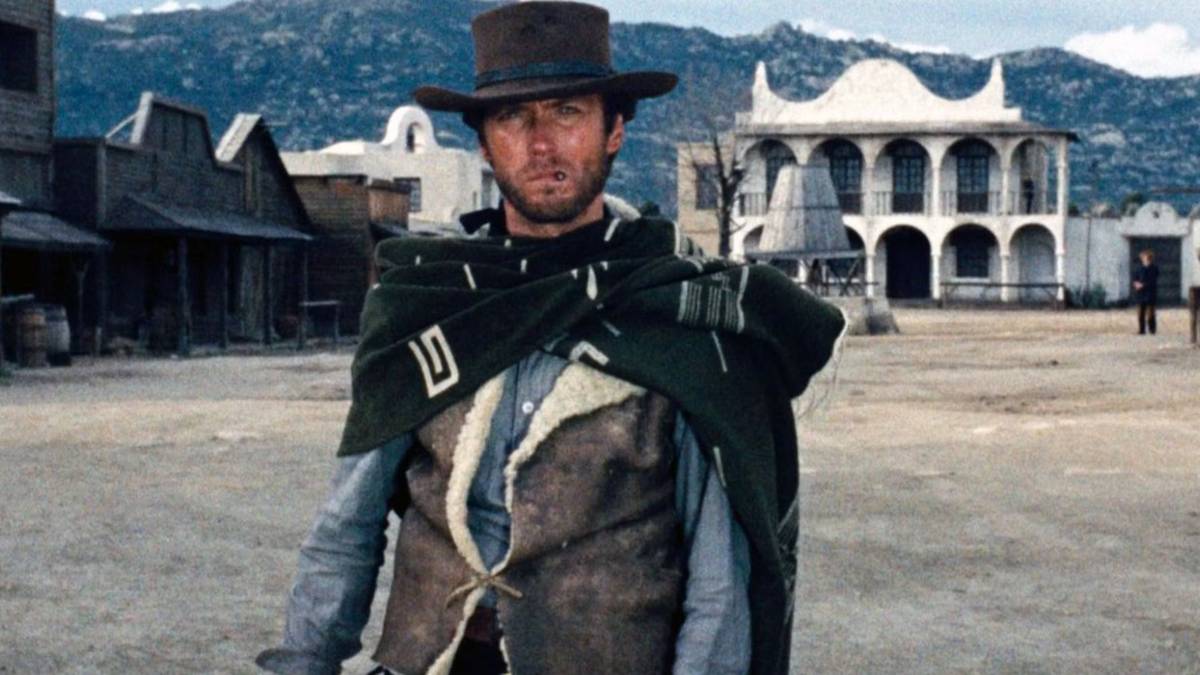
A Fistful of Dollars (1964) introduced audiences to the gritty, stylish world of the spaghetti Western—a genre that took the American frontier and reimagined it through an Italian lens. Directed by Leone, with a haunting score by Ennio Morricone and a breakout performance from Clint Eastwood, the film upended every convention of the classic Western. It wasn't just a movie; it was a revolution that changed how stories could be told on screen.
Why Tarantino Calls It a Masterpiece
Speaking at the Cannes Film Festival on the film's 50th anniversary, Tarantino described A Fistful of Dollars as "the birth of what we now call modern filmmaking." He praised Leone for taking genre pieces and presenting them "larger than life," a bold approach that influenced generations of directors. The film's use of extreme close-ups, prolonged standoffs, and operatic tension gave every scene a mythic quality, setting a new visual language for cinema.
The story, adapted from Akira Kurosawa's Yojimbo, follows Eastwood's unnamed stranger as he rides into the corrupt border town of San Miguel. Caught between two feuding families, he plays them against each other in a risky gambit that could make him rich—or get him killed. It's a simple premise, but Leone's execution turned it into a masterclass in suspense and style.
Eastwood's Anti-Hero Redefined the Western
Before Eastwood, Western heroes were often paragons of virtue—think John Wayne's steadfast, morally upright cowboys. But the Man with No Name was different. He was a survivor, a man of few words and even fewer emotions, whose motives were never entirely clear. He wasn't a hero in the traditional sense; his good deeds were accidental byproducts of his self-interest. This ambiguity made him endlessly compelling and paved the way for future anti-heroes like Snake Plissken, Mad Max, and even The Mandalorian.
Eastwood's performance was a revelation. By saying less, he made audiences lean in more, creating a presence that was both menacing and magnetic. It's a template that has been copied countless times, but never quite matched.
Morricone's Score: Music as a Character
Ennio Morricone's score was just as revolutionary as Leone's direction. Instead of merely accompanying the action, the music drove it—whistles, whip cracks, and wordless vocals turned San Miguel into a place of legend. The soundtrack didn't just set the mood; it told the story, heightening every gunfight and emotional beat. It was a perfect marriage of sound and image, proving that a low-budget Western could feel epic.
Tarantino has called the Dollars Trilogy "the greatest achievement in the history of cinema," and it's easy to see why. A Fistful of Dollars not only launched a genre but also redefined what movies could be. Now, 62 years later, it's available to stream on Prime Video, offering a new generation the chance to witness the birth of modern filmmaking. For those who've never seen it, this is the perfect opportunity to experience a true classic. And if you're in the mood for more cinematic greatness, check out our ranking of the greatest performances since 2000 or explore Prime Video's top binge-worthy shows.