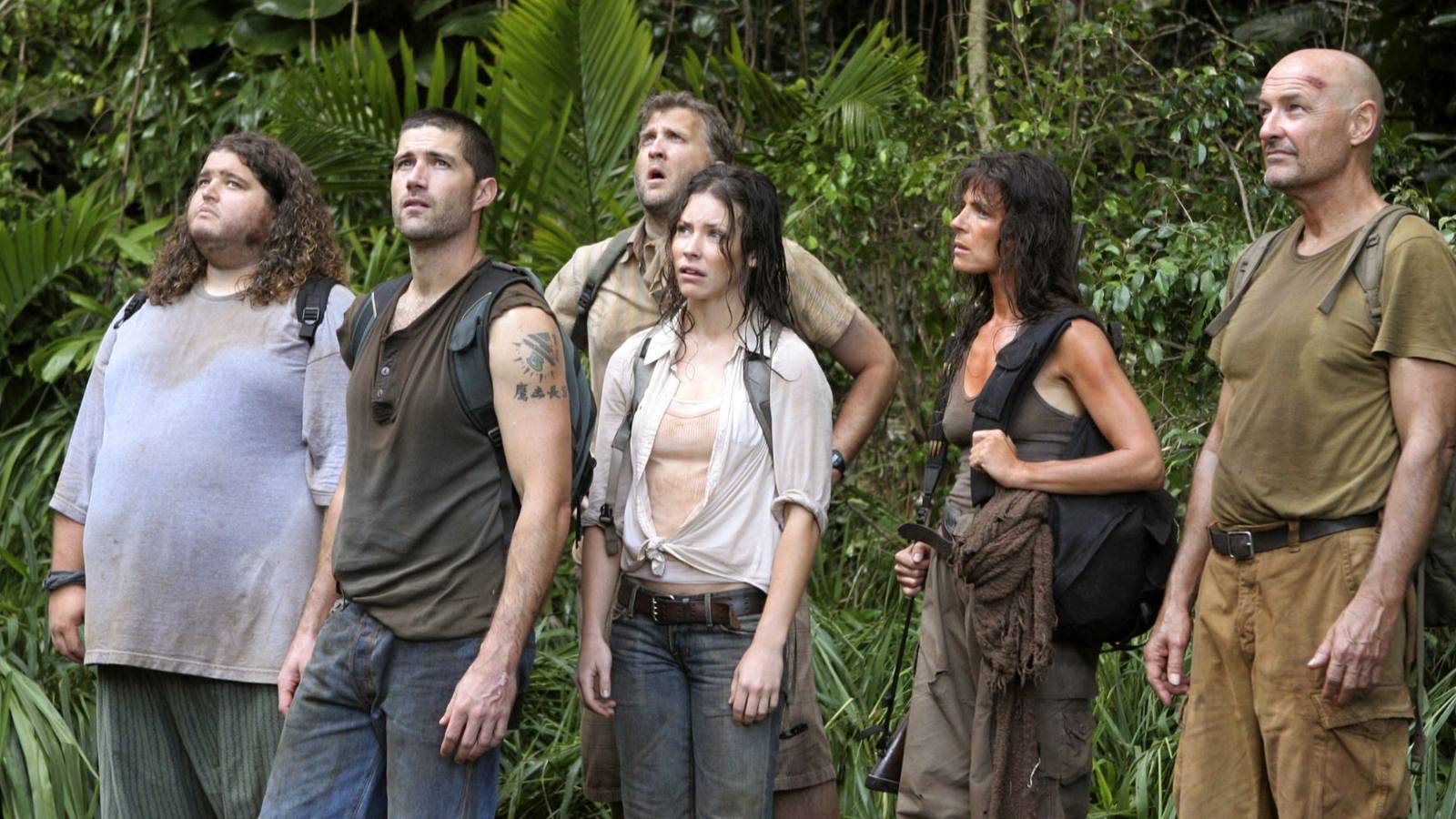
In the mid-2000s, a show about plane crash survivors stranded on a mysterious island became a global obsession. Lost wasn't just a hit—it was a cultural event that dominated water-cooler conversations and sparked endless online theories. But what exactly made this series so irresistible? Let's break down the key ingredients that turned Lost into one of the most talked-about shows of all time.
The Mystery That Kept Us Guessing
From the very first episode, Lost hooked viewers with an atmosphere of relentless intrigue. The crash itself was harrowing, but it was the island's bizarre secrets that truly set the stage. A terrifying smoke monster, a polar bear in the tropics, a distress signal looping for years—every new discovery raised more questions. The show masterfully paced its revelations across seasons with 20-plus episodes each, ensuring that the slow burn never felt tedious. Fans were left wondering about the hatch, the Others, and the island's true location, making each episode a puzzle piece in a larger, tantalizing mystery.

Characters You Couldn't Forget
Great mysteries mean little without characters we care about, and Lost delivered one of television's finest ensembles. Jack, Kate, Sawyer, Locke, Hurley, and Charlie were just the beginning—each character had distinct arcs, flaws, and motivations. The show's diverse cast meant there was someone for everyone to root for, and the writers weren't afraid to kill off major players, keeping the stakes real. Even two decades later, these characters remain etched in pop culture memory, a testament to the show's deep character work.
The Flashback Structure
One of Lost's most innovative storytelling devices was its use of flashbacks. Every episode split its narrative between the island's present-day dangers and the characters' past lives. This technique added emotional weight to the survival drama, revealing why each person was on that plane and how their history shaped their choices. It also allowed the show to explore fresh settings beyond the island's beaches and jungles, filmed beautifully in Hawaii. The flashbacks made every episode feel like a self-contained story while advancing the larger plot.
A Cultural Phenomenon Before Streaming
Lost aired during network television's golden age, when seasons had 20-plus episodes and audiences gathered weekly to watch together. The show thrived on this communal experience, with fans dissecting every clue online and debating theories until the next episode. While later seasons divided some viewers, the series maintained a massive audience to the end. Its blend of sci-fi, drama, and character study set a template that many shows have tried to follow, but none have quite replicated. For a deeper dive into how other series built on Lost's legacy, check out how Apple TV's 'For All Mankind' became a modern sci-fi classic.
The Legacy Lives On
Love it or hate the finale, Lost remains a benchmark for ambitious television. Its willingness to take risks, from time travel to alternate realities, kept viewers on their toes. The show proved that audiences would embrace complex, serialized storytelling if the characters and mysteries were compelling enough. Even today, new fans discover the series through streaming, and its influence can be seen in everything from 'Secret of Skinwalker Ranch' to other genre-bending hits. Lost may have ended, but its impact on TV storytelling is anything but lost.