When Apple TV+ first launched, few predicted that a show about an alternate space race would become the cornerstone of its sci-fi empire. Yet For All Mankind, created by Ronald D. Moore, Matt Wolpert, and Ben Nedivi, has done exactly that. This five-part series is now widely hailed as a modern classic, setting the standard for original science fiction on streaming.
The premise is deceptively simple: in this timeline, the Soviet Union beats the United States to the moon, sparking a decades-long, high-stakes space race that never happened in our world. But what makes For All Mankind truly special is how it uses that alternate history to explore deeply human stories—ambition, loss, love, and the relentless pursuit of progress.
A Saturn Award-Winning Achievement
The series has racked up numerous accolades, including a Saturn Award for its second season—a genre equivalent of an Oscar. That's especially impressive given that For All Mankind isn't based on an existing franchise like Star Wars or Star Trek. It proves that original ideas can still thrive, and it paved the way for Apple TV's current dominance in sci-fi, with hits like Silo and Pluribus following in its footsteps.
As Guillermo del Toro has praised Apple TV's recent output, the streamer has clearly found a winning formula. But it all started here.
The Alternate History That Changed Everything
The show's attention to detail is staggering. Moore revealed that the point of divergence was keeping Soviet engineer Sergei Korolev alive—a decision that allowed the USSR to land first on the moon. From there, NASA develops cutting-edge technology, plans missions to Mars, and establishes colonies on the Red Planet. Historical figures take different paths, and the ripple effects feel authentic and earned.
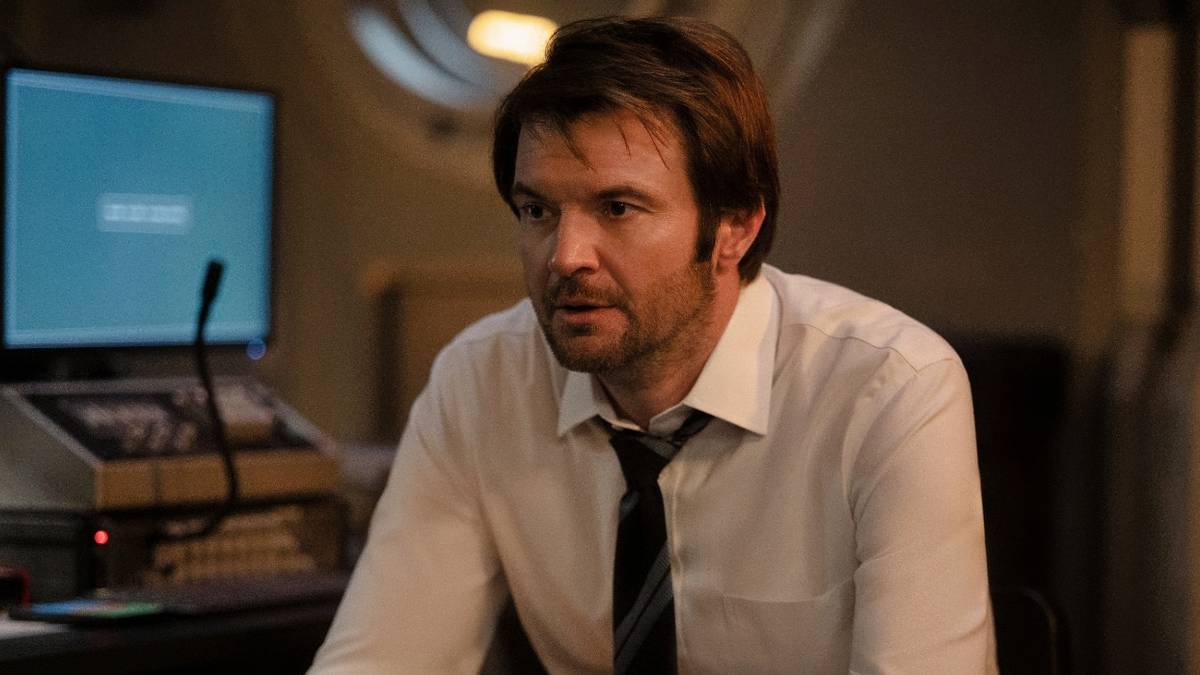
But the real heart of For All Mankind is its ensemble cast, led by Joel Kinnaman as astronaut Ed Baldwin. Over the seasons, we watch Ed struggle with aging, his rocky marriage to Karen (Shantel VanSanten), and the loss of friends. Moore, known for his work on Battlestar Galactica, doesn't shy away from putting his characters through the wringer. The result is a drama that feels as much about human endurance as it does about space exploration.
The Final Season and a Spinoff
Season 6 will be the last, jumping forward to the 2020s and introducing a mysterious message from a recovered Soviet craft. But the universe isn't ending—Apple TV has launched Star City, a spinoff focusing on the Soviet side of the space race. Already a hit with critics and audiences, Star City proves that this alternate history has plenty of stories left to tell. For more on that, check out our coverage of Star City's debut.
In an era where streamers cancel shows at the drop of a hat, For All Mankind stands out as a rare, long-running original that only got better with time. It's a testament to the power of bold storytelling and a reminder that sometimes the best sci-fi is about the people, not just the technology.