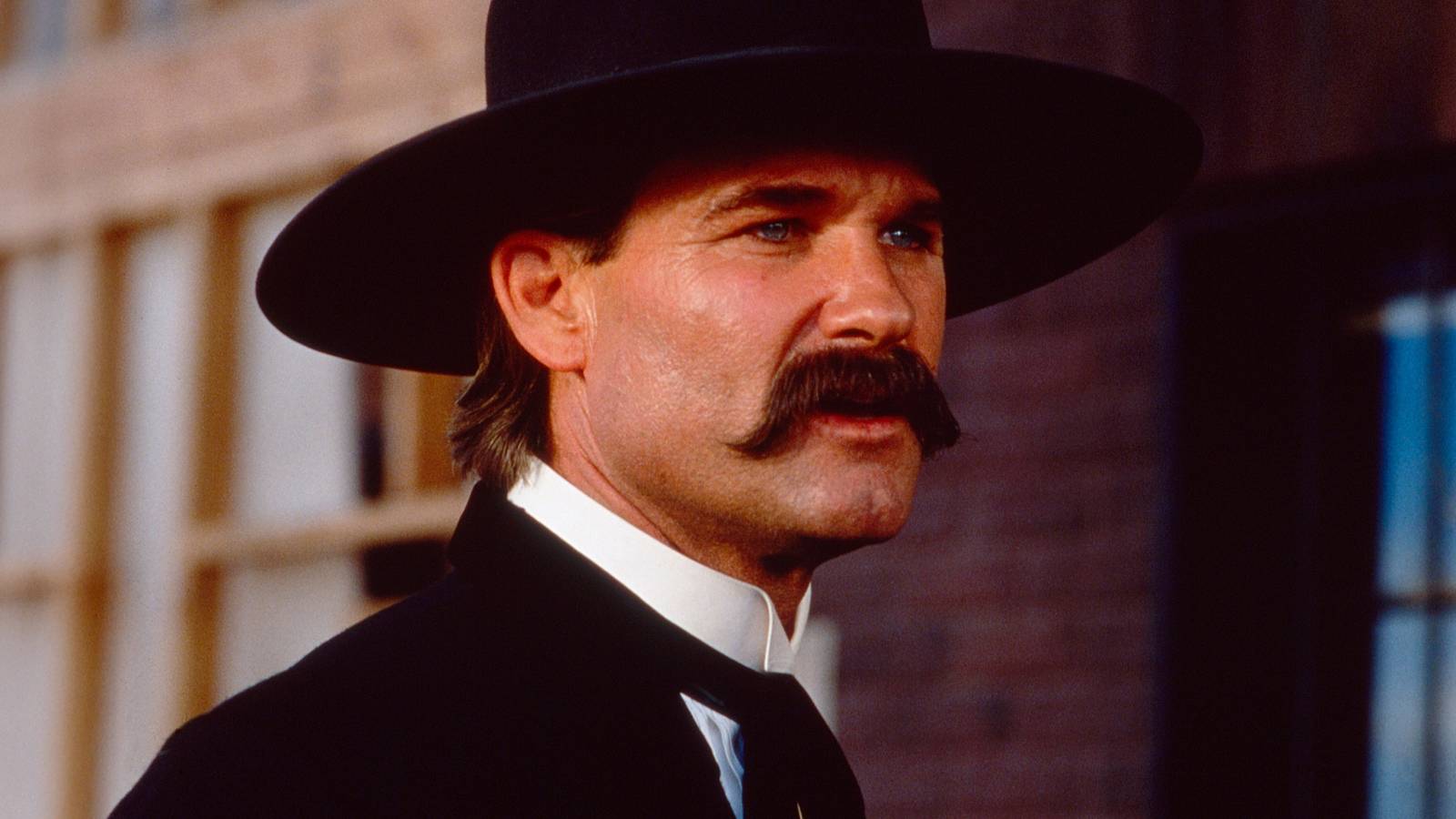
Few films have cemented their status as a genre classic as firmly as 1993's Tombstone. Anchored by iconic performances from Kurt Russell and Val Kilmer, the Wyatt Earp saga is celebrated for its sharp pacing and timeless appeal. It's the kind of movie you wish you could watch again for the first time. So, when a director's cut surfaced on DVD in 2002, fans were intrigued. However, this extended version, while offering new glimpses into the story, ultimately serves as a masterclass in why the original edit was so effective.
What's Actually in the 'Tombstone' Director's Cut?
The extended version adds roughly six minutes, primarily through four key scenes. These include Doc Holliday's (Val Kilmer) solitary reaction to Morgan Earp's death, his explicit breakup with girlfriend Kate, a heated confrontation between Wyatt Earp (Kurt Russell) and his wife Mattie about her laudanum addiction, and a meeting where Sherman McMasters (Michael Rooker) faces the Cowboys before his death. On paper, these scenes promise deeper character exploration, but in practice, they often state what the original film already masterfully implied.
Take Doc Holliday's mourning. The director's cut shows him reciting poetry alone, but the very next scene—the funeral—conveys profound grief through Kilmer's solemn, wordless performance. The added moment feels redundant. Similarly, while the explicit breakup with Kate explains her absence, their relationship's end was already clear in the theatrical cut through loaded dialogue and her conspicuous absence later. As fans of modern Westerns know, powerful storytelling often lies in what's left unsaid.
Unnecessary Explanations vs. Visual Storytelling
The added Wyatt-Mattie argument, though well-acted, verbalizes tensions the original film communicated visually. Earlier scenes, like Mattie side-eyeing Wyatt as he glances at Josephine, established the rift. A more powerful moment occurs after Morgan's death: Josephine tries to console a devastated Wyatt, he sends her away, and Mattie watches it all—her suspicions confirmed without a single word. This visual storytelling hits harder, layering tragedy upon Wyatt's vulnerability.
The one scene that arguably adds meaningful context is McMasters' meeting with the Cowboys. In the original, his death seems sudden. The extended version shows him refusing their offer of amnesty, dying as a principled hero rather than mere plot collateral. This gives his sacrifice clearer motivation, though it slightly alters the pacing of the film's relentless build-up to its final confrontations.
Why the Original 'Tombstone' Remains Untouchable
The director's cut is a fascinating artifact for die-hard fans, but its existence underscores the editorial precision of the 1993 release. Every scene in the theatrical version propels the plot or deepens character, with a tight, succinct rhythm that has kept audiences returning for decades. The added scenes, while not without merit, often explain what we already understood, demonstrating that in storytelling, less can indeed be more.
This principle of lean, effective narrative is a hallmark of the genre's best, from Coen Brothers classics to newer entries. For Kilmer, his legendary turn as Doc Holliday was partly inspired by advice from Marlon Brando, focusing on essence over excess—a philosophy mirrored in the film's final cut. While the extended version offers a deeper dive for completists, the original Tombstone remains the definitive, perfectly paced experience that turned a Western into an enduring pop culture landmark.