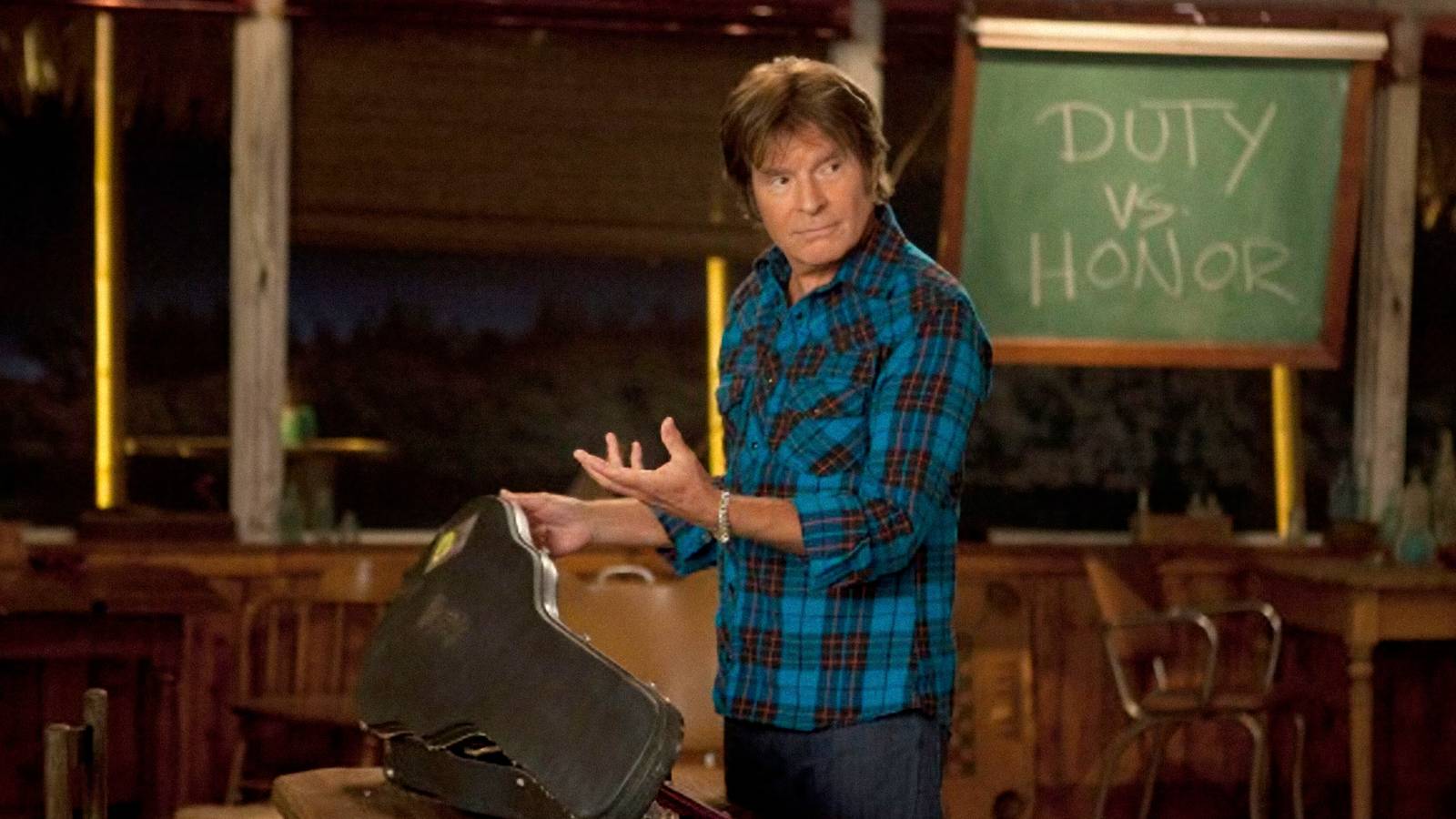
Every Fourth of July, playlists fill with songs that celebrate American pride. Bruce Springsteen's "Born in the USA" often gets mistaken for a patriotic rallying cry, but it's actually a bitter critique. Another track suffers a similar fate: Creedence Clearwater Revival's "Fortunate Son." This 1969 classic, written by John Fogerty, is a furious anti-war anthem that has been co-opted by Hollywood and politicians alike, losing much of its original sting.
The Real Meaning Behind the Lyrics
"Fortunate Son" is a product of its time—the Vietnam War era—but its anger is timeless. Fogerty wrote the song as a direct attack on the class system that allowed the wealthy and powerful to avoid the draft. The lyrics paint a picture of people who are "born to wave the flag" and are "red, white, and blue," but when the government calls, they "point the cannon at you." In other words, the same people who cheer for war from a distance are the ones who send others to die.
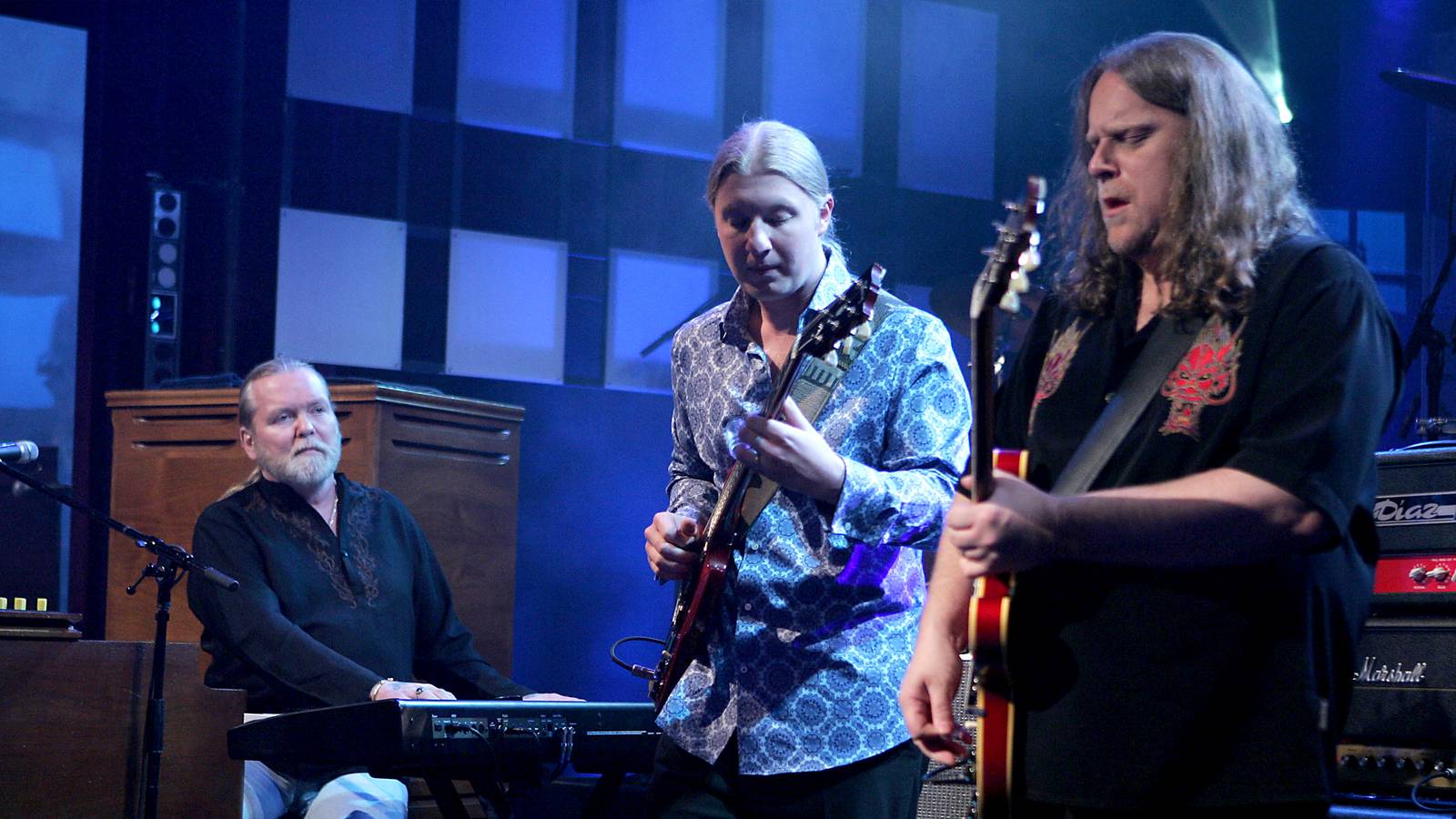
Fogerty's inspiration came from watching the sons of politicians and businessmen dodge military service. In an interview, he specifically mentioned David Eisenhower, the grandson of former President Dwight D. Eisenhower, who married Julie Nixon. Fogerty was furious that ordinary kids were forced to fight in a war they opposed, while the privileged could use their connections to stay safe. The line "I ain't no senator's son" is a red herring—the song isn't about one person, but about an entire system of inequality.
How Pop Culture Dulled the Edge
Despite its protest roots, "Fortunate Son" has become the go-to soundtrack for Vietnam War scenes in movies and TV shows. The most famous example is Forrest Gump, where the song plays as Forrest arrives in Vietnam. The scene is filled with helicopters and guns, but the song's anti-war message is lost in the montage. Instead of highlighting the injustice, it becomes background noise.
The song has since appeared in everything from Die Hard 4.0 to Suicide Squad and Logan Lucky. It's even been used in video games like Battlefield: Vietnam. A Family Guy gag even jokes about the song playing non-stop during the war, showing how deeply it's been embedded in pop culture. But this constant use has stripped the song of its original fury, turning it into a generic "war song" rather than a specific protest.
Modern Misunderstandings
The song's misinterpretation reached a new level in 2020 when President Donald Trump used it at a rally. Given that the song criticizes wealthy draft dodgers—and Trump himself was accused of using bone spurs to avoid Vietnam—the choice was baffling. Fogerty himself commented on the irony, saying he found it confusing that the president would use a song that so clearly criticizes people like him.
As we celebrate Independence Day, it's worth remembering that "Fortunate Son" isn't a patriotic anthem. It's a furious critique of a system that sends the poor to die while the rich stay safe. So when you hear that iconic riff this Fourth of July, listen closely to the lyrics. They're not about waving flags—they're about questioning who really benefits from war.
For more on misunderstood classics, check out our list of The 10 Best 1990s Rock Songs, Ranked or explore Classic Action Movies That Should Never Get a Remake.