In the crowded landscape of prestige television on HBO Max, with heavy hitters like The Pitt, House of the Dragon, and The Last of Us dominating conversations, it's easy for a gem to slip through the cracks. That's exactly what happened with Dune: Prophecy, a 2024 series that didn't get the splashy reception it deserved. But two years later, this six-episode prequel is more than worth your time—especially with Dune: Part Three on the horizon in 2026.
Based on Brian Herbert's novel Sisterhood of Dune, the series traces the origins of the mysterious Bene Gesserit order. This sisterhood of women, trained in advanced manipulation and even the ability to alter their molecular structure, plays a pivotal role in the Dune universe. They are the architects behind the breeding program that ultimately produces the Kwisatz Haderach—the messianic figure Paul Atreides embodies in Denis Villeneuve's films. But Dune: Prophecy is set thousands of years before that, and it doesn't rely on the movie timeline to be compelling. Instead, it stands on its own, exploring themes that resonate even more strongly today.
Why 'Dune: Prophecy' Deserves a Second Look
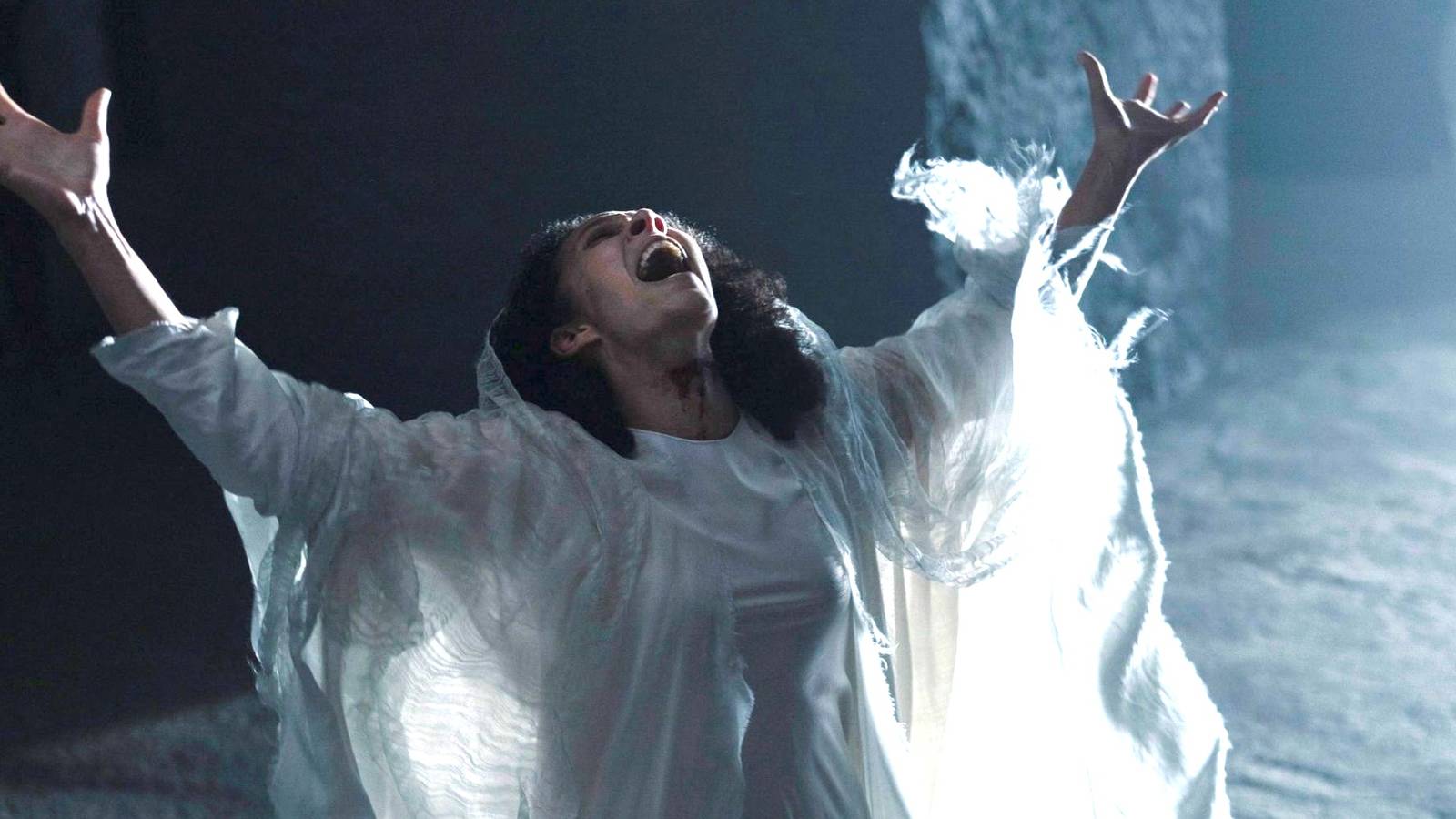
When it first aired, Dune: Prophecy didn't generate the same buzz as The Penguin or House of the Dragon. Yet its six episodes accomplish something Villeneuve's epic films couldn't: a deep dive into the political and philosophical underpinnings of Herbert's world. The story centers on Valya Harkonnen (Emily Watson), an ancestor of the infamous Baron, and her sister Tula (Olivia Williams). They lead a school for young women, training them in the secret arts of the order, including the Voice—a power that allows the speaker to control others with mere words.
The series doesn't just focus on power dynamics; it also explores aspects of Herbert's books that the films glossed over. Chief among these is the Butlerian Jihad, the war against thinking machines that shapes the entire Dune universe. This conflict, which began because humanity nearly enslaved itself to AI, is the backdrop for Valya's ambitions and the Imperium's strict ban on such technology. Herbert's famous quote from the first novel—“Once men turned their thinking over to machines in the hope that this would set them free. But that only permitted other men with machines to enslave them”—is brought to life in the series.
What makes Dune: Prophecy particularly prescient is its handling of AI. When the show was in production, concerns about artificial intelligence were just starting to bubble up. Now, two years later, those concerns have exploded into mainstream discourse. The series doesn't just warn about AI; it shows the consequences of trying to harness it, even after it's been outlawed. The Bene Gesserit's secret attempts to use thinking machines to predict bloodlines and create the Kwisatz Haderach are a chilling reminder of how technology can be weaponized for control.
At its core, Dune: Prophecy is about control—who wields it, how it's maintained, and what it costs. The Bene Gesserit operate from the shadows, manipulating politics and bloodlines for centuries, ultimately setting the stage for a genocidal dictator in Paul's time. The series is a cautionary tale that feels more urgent than ever.
If you're looking for a short, binge-worthy fantasy series, Dune: Prophecy is a perfect pick. It's also a great companion to other sci-fi shows that explore similar themes. And for those who appreciate masterful storytelling in the genre, this is a must-watch.
Two years later, Dune: Prophecy stands as a testament to Herbert's foresight and the show's own relevance. It's a series that was ahead of its time, and it deserves a second chance in the cultural spotlight. So before you revisit Arrakis in 2026, take a detour into the past—you won't regret it.