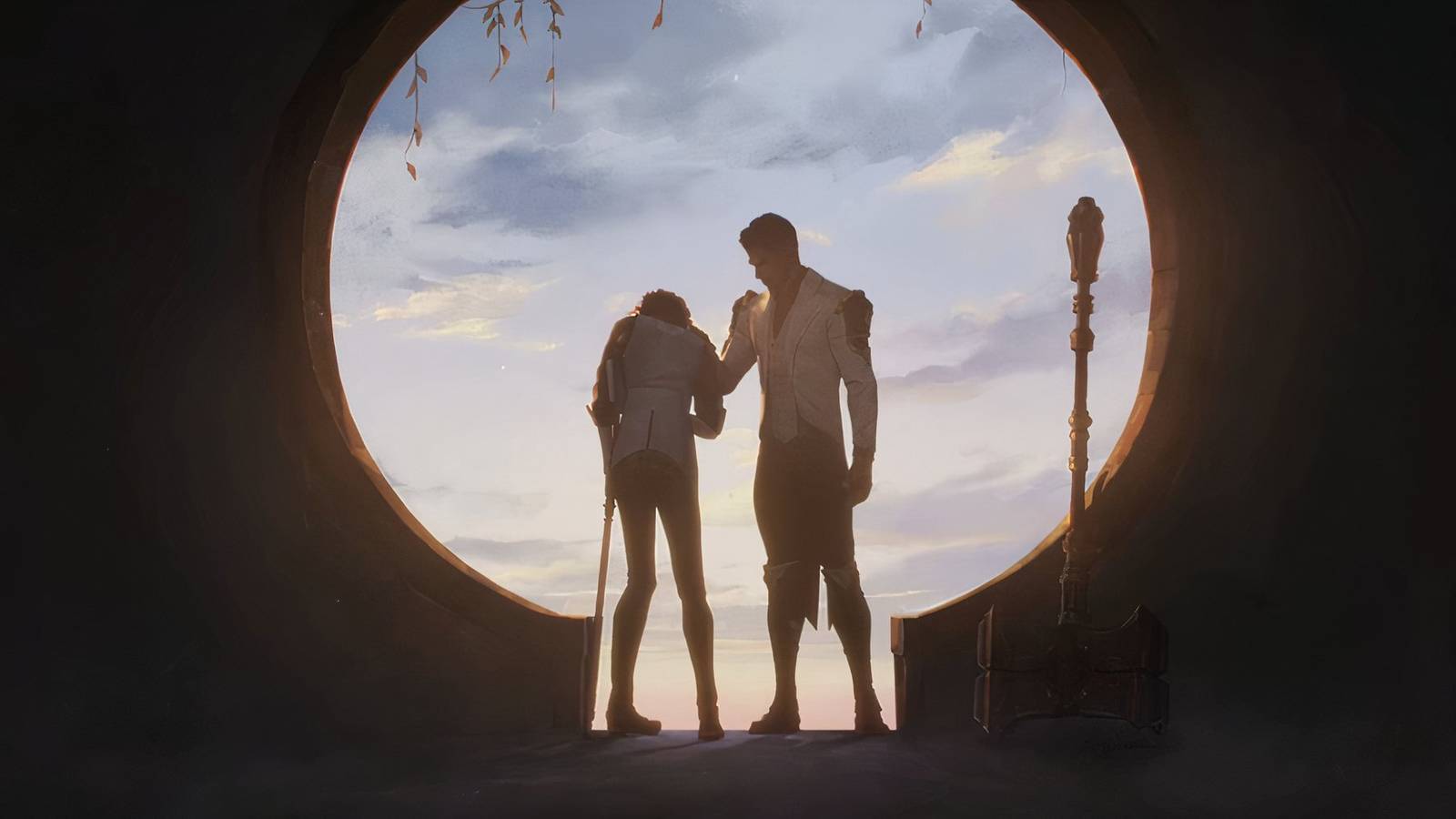
When Arcane premiered in 2021, it didn't just raise the bar for video game adaptations—it obliterated it. Created by Christian Linke and Alex Yee, this animated masterpiece turned a niche subgenre into a cultural phenomenon, proving that games can inspire stories as rich and emotionally resonant as any live-action drama.
Set in the sprawling world of League of Legends, the series explores the simmering conflict between the gleaming upper city of Piltover and the gritty, oppressed underbelly of Zaun. At its heart are two estranged sisters: Vi, voiced by Hailee Steinfeld, and Jinx, brought to life by Ella Purnell. Their fractured bond becomes the emotional core of a war that threatens to consume both cities.
A Triumph of Craft and Patience
The accolades speak for themselves—41 awards, including recognition for its voice cast, writing, animation, and editing. But numbers only tell part of the story. What truly set Arcane apart was its painstaking craftsmanship. Season 1 alone took six years to produce, a level of dedication that echoes the meticulous work behind cinematic landmarks like Avatar. Season 2 followed three years later, with the creators agonizing over even the smallest details—Yee reportedly debated the final line for 27 hours before settling on: "I am the dirt under your nails, cupcake. Nothing's gonna clean me out."
This patience paid off. The series' steampunk aesthetic, from Piltover's towering machinery to Zaun's shadowy alleys, isn't just eye candy—it's a visual language that underscores the divide between the two worlds. And unlike the flood of AI-generated "animations" that have soured audiences, Arcane feels handcrafted, every frame a testament to human artistry.
Animation as a Serious Medium
For too long, animation has been dismissed as kid stuff. But Arcane joined the ranks of shows like BoJack Horseman and Midnight Gospel in proving that the medium can tackle complex, adult themes with depth and nuance. Viewers were surprised by how emotionally invested they became—even those who had never picked up a controller. The series' accessibility was a key factor, drawing in newcomers while satisfying longtime fans of the game.
That broad appeal is part of why Arcane feels like a turning point. It didn't just win over critics; it won over audiences who might have otherwise skipped an animated show. And in doing so, it opened the door for more ambitious adaptations, much like other binge-worthy Netflix gems that prove great storytelling doesn't need to be live-action.
More Than Just Pretty Pictures
Beneath the stunning visuals lies a story that resonates on a deeply human level. The conflict between Piltover and Zaun isn't just political—it's personal. Vi and Jinx's relationship transforms a citywide struggle into a family tragedy, and as the series unfolds, it expands to include a cast of characters fighting for control of their homeland, each making heartbreaking sacrifices along the way.
That emotional investment is perhaps best illustrated by the fan reaction to Season 2. Despite earning a perfect 100% on Rotten Tomatoes, the final season sparked controversy over its pacing and ambiguous character fates. Fans were so passionate that a Change.org petition circulated, demanding more episodes—even though the creators had always planned for just two seasons. The outcry, while divisive, only underscores how deeply viewers connected with these characters and their world.
In the end, Arcane is more than a great show—it's a landmark. It redefined what video game adaptations can be, setting a standard that will be hard to match. Whether it ever returns or not, its legacy is secure: a shining example of what happens when creators pour their hearts into every frame, and audiences respond with equal passion.