Finding a science fiction novel that's truly phenomenal is rare enough. But discovering one built on genuinely perfect writing—where every sentence, character arc, and world-building detail clicks into place—is even rarer. Yet a handful of sci-fi books have achieved that elusive status, earning their place among the greatest works of genre literature ever written.
What makes a sci-fi book perfectly written? It's a combination of memorable prose, airtight pacing, quotable dialogue, and well-rounded character arcs. But science fiction also demands more: immersive world-building, a sharp reflection of contemporary times, and a delicate balance between the 'science' and 'fiction' elements. From modern masters like Andy Weir to pioneers like Ursula K. Le Guin, these authors have delivered books that are virtually flawless from start to finish.

'Project Hail Mary' (2021)
Andy Weir is a modern master of hard sci-fi, a subgenre that prizes scientific accuracy and plausible logic. Project Hail Mary is his crowning achievement—a perfect sci-fi book about aliens that also became one of the best space opera films of the 21st century. The novel's key mission is to stay true to science while delivering pure entertainment, and it passes with flying colors. Its accessible, compelling narrative about a deeply endearing friendship is balanced with some of the most interesting, best-written scientific language in recent hard sci-fi.
'The Book of the New Sun' (1980–1987)
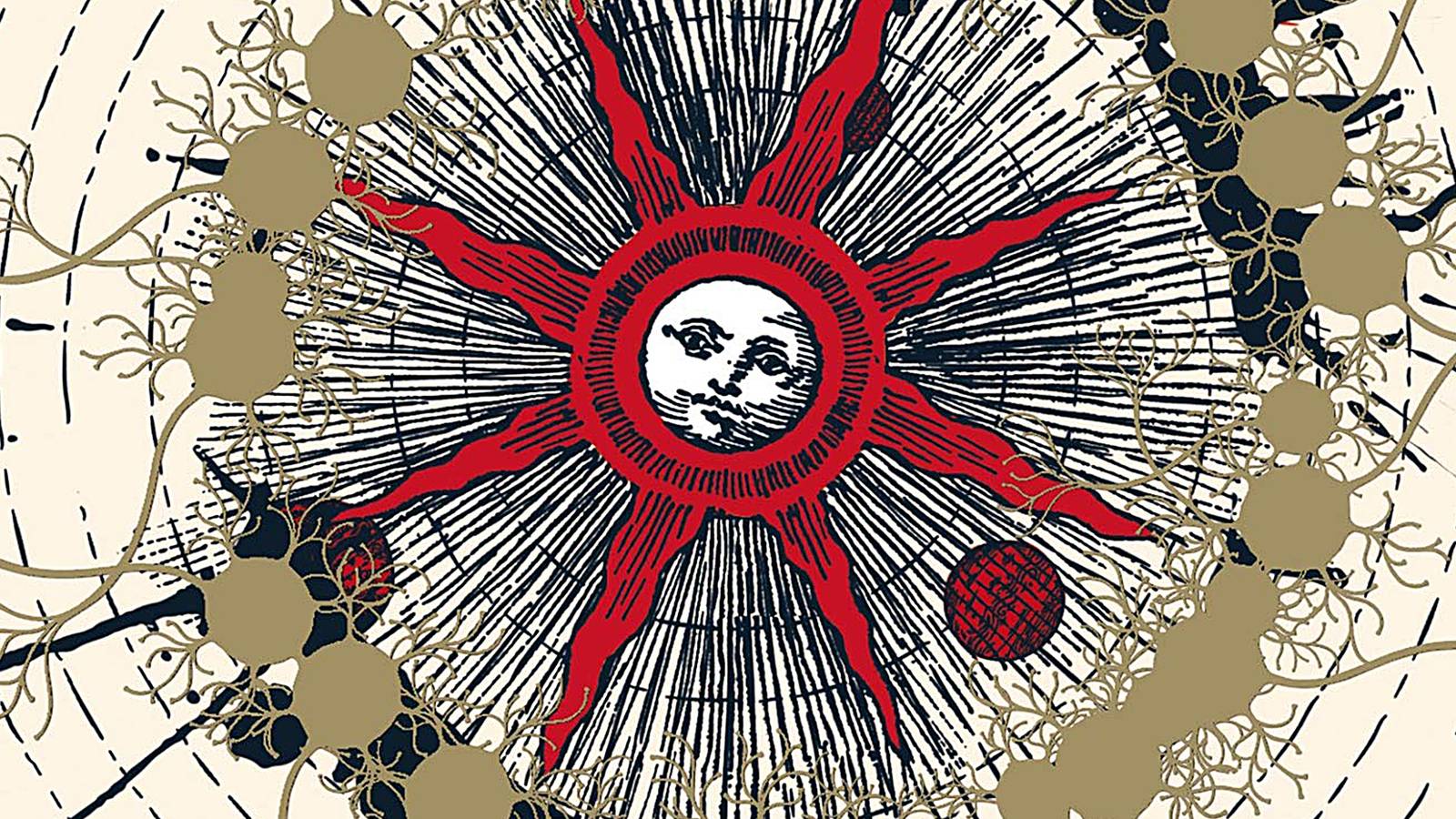
Gene Wolfe's epic spans four volumes and a coda, published over seven years, but it's all one massive sci-fi fantasy unlike any other. Winner of multiple awards, The Book of the New Sun features elegant, dense prose that blends regular and intentionally obscure archaic vocabulary to build a powerfully immersive atmosphere. It's a masterfully smart puzzle box narrative with a brilliantly crafted first-person perspective and wonderfully layered lore—one of the best sci-fi books of the last 50 years.
'Hyperion' (1989)
Dan Simmons' Hugo Award-winning Hyperion borrows the structure of The Canterbury Tales to tell an engrossing story. Born from tales the author told his elementary school students, it has aged like fine wine as a cult classic of 1980s literature. The book is even better on a second read, turning its interconnected anthology into a potently cohesive epic. With breathtaking world-building, philosophically charged themes, and heavily literary prose that never feels overwhelming, Hyperion is a must-read for any classic sci-fi lover. If you're curious which dystopian universe you'd survive, check out our sci-fi survival quiz.
'Rendezvous with Rama' (1973)
Arthur C. Clarke, one of sci-fi's greatest visionaries, delivers his most perfectly written novel in Rendezvous with Rama. Winner of Hugo, Locus, and Nebula awards, this hard sci-fi classic is 1970s science fiction at its most essential. But don't come looking for deep character arcs or plot twists—this book is written as an objective, meticulously detailed, almost documentary-like exploration of what would happen if an alien starship entered the Solar System. It's a book all about ideas, with a perfect balance of mystery, immersion, and imagination.
'Stories of Your Life and Others' (2002)
Ted Chiang is one of the greatest sci-fi authors writing today, and this collection of his first eight stories is a testament to his brilliance. Each novella, novelette, and short story is perfectly written from start to finish, balancing heady scientific concepts with deeply emotional narratives. The collection includes 'Story of Your Life,' the inspiration for Denis Villeneuve's Arrival. Perfectly paced and structured, it's one of the most filler-less short story books of the 2000s. For more quick reads, see our list of 10 perfect books you can devour in a single day.
'The Dispossessed' (1974)
Ursula K. Le Guin's The Dispossessed is a masterpiece of political and philosophical sci-fi. Set on the anarchist moon of Anarres and the capitalist planet Urras, the novel explores themes of freedom, power, and human nature with Le Guin's trademark elegant prose. The writing is flawless—every sentence serves the story's deeper questions about society and individuality. It's a book that feels as relevant today as when it was published, a perfect example of how sci-fi can reflect contemporary times.
'Dune' (1965)
Frank Herbert's Dune is a towering achievement in world-building, political intrigue, and ecological depth. The prose is rich and immersive, the pacing masterful across its epic scope. Every character—from Paul Atreides to Baron Harkonnen—is fully realized, and the dialogue is quotable and profound. Dune remains one of the most influential sci-fi books ever written, a perfect blend of science, philosophy, and adventure. For more on the best of the genre, check out our ranking of top 25 books of the 21st century.
'The Left Hand of Darkness' (1969)
Another Le Guin classic, The Left Hand of Darkness is a groundbreaking exploration of gender and identity on the planet Gethen. The writing is spare, precise, and deeply human, weaving a story of diplomacy, friendship, and cultural clash. It won both the Hugo and Nebula awards, and its prose remains a benchmark for literary sci-fi. This is a book that challenges readers while never losing its narrative grip—a perfect example of how sci-fi can be both intellectually stimulating and emotionally resonant.
These eight books represent the pinnacle of sci-fi writing—where every word, every idea, and every character is perfectly crafted. Whether you're a longtime fan or new to the genre, they're essential reading. For more hidden gems, don't miss our guide to forgotten sci-fi gems that time left behind.