Science fiction has always been the genre that dares to ask "what if?" — from alien invasions to time travel, it pushes the boundaries of imagination. But for every Dune or Neuromancer that becomes a household name, there are dozens of equally brilliant works that slip through the cracks of literary history. Some were overshadowed by their authors' more famous titles; others simply fell out of fashion. Here are eight perfect sci-fi books that nobody remembers — but absolutely should.
1. Rogue Moon (1960) by Algis Budrys
Imagine an alien labyrinth on the moon, filled with deadly traps that drive explorers mad. That's the premise of Algis Budrys's Rogue Moon, a taut Hugo-nominated novel that uses a matter transmitter to send doppelgängers into the maze. The catch? Every death is psychologically scarring. Budrys weaves hard science fiction with existential questions about life, death, and enlightenment. Though the novella version is better known, this expanded novel remains a chilling, thought-provoking read that still feels fresh today.

2. A Princess of Mars (1912) by Edgar Rice Burroughs
Before Star Wars, there was John Carter. Edgar Rice Burroughs's swashbuckling adventure follows a Confederate soldier mysteriously transported to Mars (called Barsoom), where his Earthly strength makes him a superhero. He falls for a red Martian princess and battles green warriors in a tale that blends sci-fi, romance, and Western tropes. While its colonial undertones are dated, the novel's emphasis on honor and courage remains timeless. Burroughs may be famous for Tarzan, but his Barsoom series is foundational to modern sci-fi.
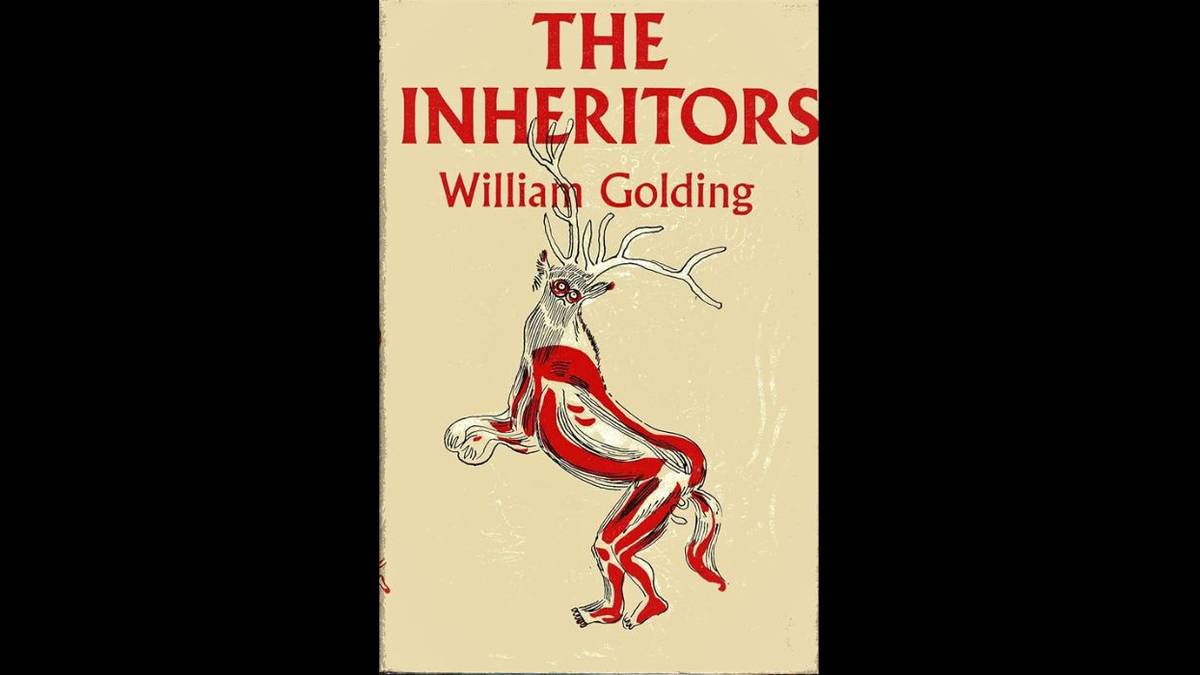
3. The Inheritors (1955) by William Golding
William Golding's Lord of the Flies is a classic, but his follow-up, The Inheritors, is a masterpiece that deserves equal fame. This prehistoric novel tells the story of the last Neanderthals as they encounter modern humans — not as grunting cavemen, but as a complex, empathetic tribe. Golding flips the script, making the "new people" terrifying and alien. It's a profound meditation on evolution, fear, and what it means to be human, told with stunning imagination.
4. Star-Begotten (1937) by H.G. Wells
H.G. Wells is best known for The War of the Worlds, but his later novel Star-Begotten takes a subtler approach to alien invasion. A man named Joseph Davis becomes convinced that Martians are using cosmic rays to genetically modify his family. The rumor spreads like wildfire, reaching scientists and a mad newspaper owner. Wells cleverly makes it clear that no actual Martians exist — the real story is about mass hysteria, media manipulation, and the anxiety of a world on the brink of change. It's a prescient satire that feels eerily relevant today.
5. Millennium (1983) by John Varley
John Varley's Millennium is a time-travel thriller with a twist: people from a polluted future are snatching passengers from doomed airplanes to repopulate their world. The novel, expanded from a short story, follows a time-traveling woman and an airline investigator who uncover the truth. It's a fast-paced, clever story that blends romance, action, and dark humor. Varley's vision of a future desperate for our past is both thrilling and haunting.
6. The Manhattan Projects (2012) by Jonathan Hickman and Nick Pitarra
This graphic novel series reimagines the Manhattan Project as a secret cabal of mad scientists — including Albert Einstein, Richard Feynman, and Harry Daghlian — who open portals to other dimensions and create super-soldiers. It's a wild, alternate-history romp that's equal parts historical fiction and cosmic horror. Though it gained a cult following, it never broke into the mainstream. For fans of shows that reward close attention, this is a must-read.
7. The Last Man (1826) by Mary Shelley
Mary Shelley's The Last Man is often overshadowed by Frankenstein, but it's a pioneering work of apocalyptic fiction. Set in the 21st century (a futuristic setting for its time), it follows the last survivor of a plague that wipes out humanity. Shelley uses the story to explore grief, loss, and the fragility of civilization. It's a bleak, beautiful novel that predicted many tropes of modern disaster stories.
8. Rogue Moon (again — but we'll add one more)
To round out our list, we'll mention The Time Machine by H.G. Wells — but wait, that's too famous. Instead, let's highlight The Stars My Destination by Alfred Bester (1956), a cyberpunk precursor about a man who can teleport and seeks revenge. It's a wild, inventive novel that influenced everyone from William Gibson to the Wachowskis. If you love books that blend genres, this one's for you.
These eight books may be forgotten, but they're far from obsolete. Each one offers a unique vision of the future — or the past — that still resonates. So next time you're browsing a used bookstore or scrolling through a digital library, keep an eye out for these hidden gems. They're proof that the best sci-fi doesn't always get the recognition it deserves.