Television has changed dramatically over the last decade. The rise of premium cable once marked the biggest shift in how shows were funded and consumed, but streaming has completely upended that model. Today, series are often treated like blockbuster films, with massive budgets, A-list talent, and marketing campaigns that start years in advance. While this innovation is exciting, especially as theatrical releases become harder to access outside major cities, bigger budgets don't automatically mean better quality.
It might seem odd to call shows from just two decades ago "classics," but in an era where streaming services like Netflix, Amazon Prime, HBO, and Disney+ greenlight, renew, and cancel content at a dizzying pace, these older series stand out. With most households subscribing to three or four platforms, there's more content available than anyone could watch in a lifetime. Yet, as tempting as new shows tackling contemporary issues can be, revisiting the series that laid television's foundation is well worth the trip.
'Twin Peaks' (1990–2017)
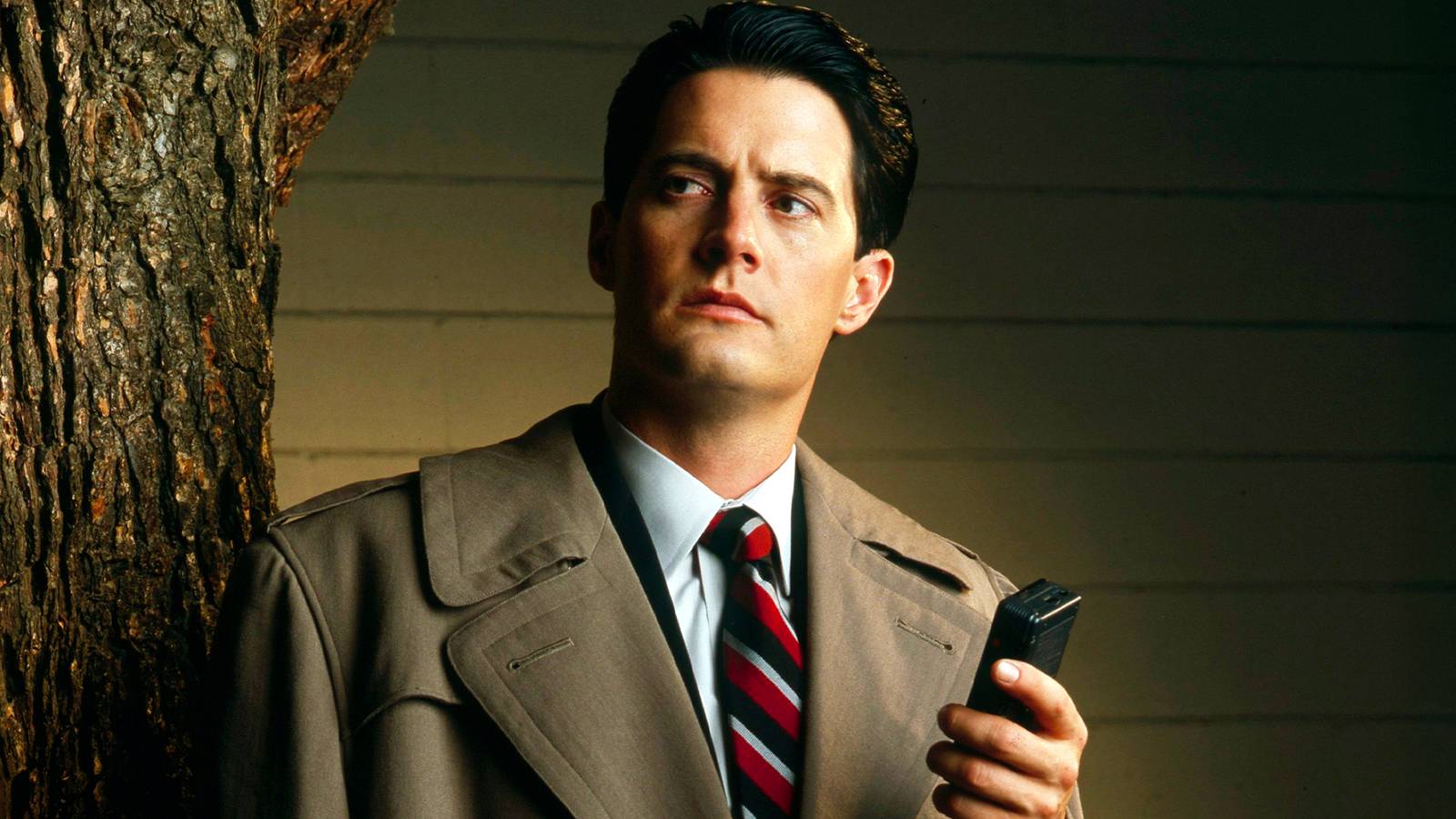
David Lynch's Twin Peaks remains one of the most influential shows ever made. Lynch rejected the typical crime procedural that reduced victims to a "case of the week" and instead explored how a shocking act of violence ripples through a community. The serialized mystery of "Who killed Laura Palmer?" began as a straightforward investigation but evolved into an epic drama about hidden truths beneath a small town's surface. The show created one of the first passionate fandoms, sparking "water cooler" conversations. After its cancellation, Lynch returned with the prequel film Twin Peaks: Fire Walk With Me, which initially confused fans but is now hailed as a masterpiece. The 2017 third season on Showtime remains one of the most experimental and complex works of filmmaking ever, serving as Lynch's perfect swan song.
'The Sopranos' (1999–2007)
Often cited as the greatest show of all time, The Sopranos is a psychological drama about a deeply disturbed anti-hero struggling with family pressures, merged with Italian gangster film influences. David Chase turned a genre once considered "trashy" into an epic about loyalty, faith, human frailty, and the death of the American dream. James Gandolfini's performance as Tony Soprano was brilliant—showing vulnerability and humor within a monstrous character while making it clear he could never be a hero. The show maintained consistent quality throughout its run, becoming more stylistically experimental over time. Episodes like "Funhouse," "Pine Barrens," "The Test Dream," and "Long Term Parking" revealed the tragic, mythic storytelling Chase aimed for. The divisive finale "Made in America" was the perfect ending.
'The Wire' (2002–2008)
The Wire was never a massive ratings hit and barely got Emmy attention during its run, but it gained a devoted following among critics and niche fans. Created by former crime reporter David Simon, the show drew on over a decade of experience to create an essential HBO series. Its realistic portrayal of Baltimore's institutions—from law enforcement to education to the drug trade—set a new standard for crime drama. For those who appreciate deep, layered storytelling, The Wire remains a must-watch that many modern series fail to match.
These classic crime shows prove that innovation and quality don't always come with the biggest budgets or the latest trends. They built the foundation for today's television and still offer experiences that many new series can't replicate. If you're tired of the endless stream of content, diving into these classics might be the best binge you'll ever have.