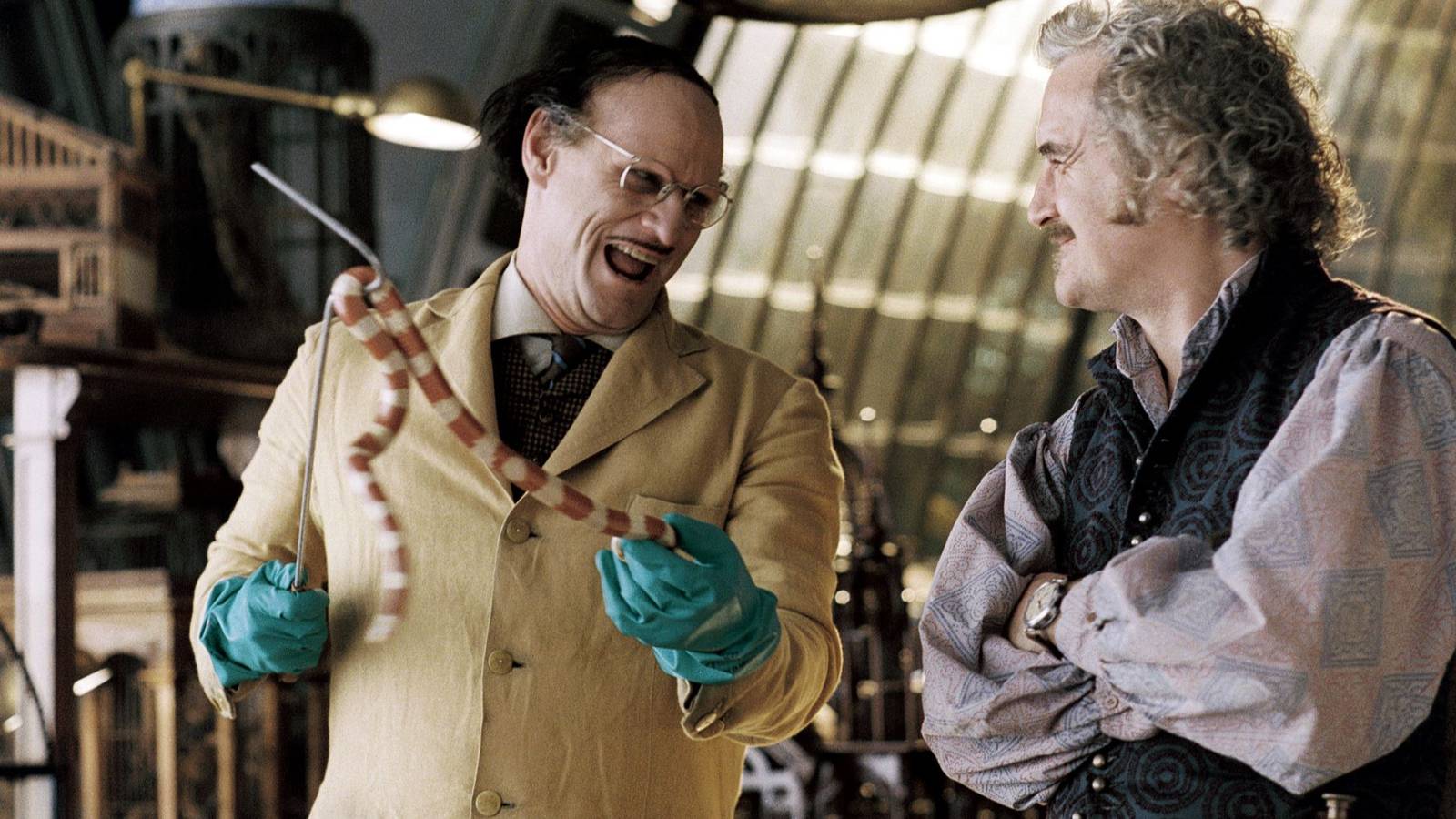
If you're looking for a binge that's equal parts whimsical and wicked, Netflix's A Series of Unfortunate Events deserves a spot on your rewatch list. This three-season gem, based on Lemony Snicket's (aka Daniel Handler) beloved book series, is a masterclass in adaptation—something the 2004 film with Jim Carrey couldn't quite pull off. With its gothic charm, sharp wit, and a career-defining performance from Neil Patrick Harris as the dastardly Count Olaf, it's a show that's easy to underestimate but impossible to forget.
At first glance, the series follows a familiar formula: the brilliant Baudelaire orphans—Violet (Malina Weissman), Klaus (Louis Hynes), and baby Sunny (Presley Smith)—are shuffled from one incompetent guardian to another, while Count Olaf pursues them in increasingly ridiculous disguises. It's a cycle of misfortune that could feel repetitive, but the show's theatrical flair and clever original songs keep it fresh. Yet beneath the surface, there's a surprising depth that makes a rewatch all the more rewarding.
More Than Just a Kids' Story
What sets A Series of Unfortunate Events apart is its willingness to tackle complex moral questions. As a child, you might have laughed at the absurdity of adults like Mr. Poe (K. Todd Freeman) falling for Olaf's schemes. But as an adult, you'll notice the show's sly commentary on morality and the gray areas that define human nature. It's a story that grows with you, revealing new layers with each viewing.
The series doesn't shy away from moral dilemmas. In the final season, the Baudelaires meet Fiona (Kassius Nelson), whose brother Fernald (Usman Ally) is one of Olaf's henchmen. Fernald's backstory—he burned down a research facility to stop a dangerous experiment—forces the orphans to confront a troubling question: Can someone be both noble and villainous? His line, "People aren't either wicked or noble. They're like chef's salads, with good things and bad things chopped up and mixed together in a vinaigrette of confusion and conflict," captures the show's essence perfectly.
A Rewatch That Reveals Hidden Depths
Rewatching the series, you'll notice how the Baudelaires themselves grapple with these shades of gray. In the penultimate episode, they face a trial where they must defend their own questionable choices. It's a powerful moment that underscores the show's central theme: morality isn't black and white. This is what makes A Series of Unfortunate Events more than just a quirky kids' show—it's a thoughtful exploration of ethics wrapped in a delightfully dark package.
If you're in the mood for other underrated gems, check out our list of underrated Netflix action gems or dive into why 'Delicious in Dungeon' is the perfect weekend binge. And for more on adaptations that outshine their source material, see when TV beats the book.
So, whether you're revisiting the Baudelaires' tragic tale or discovering it for the first time, A Series of Unfortunate Events is a show that rewards attention. It's a reminder that even in the darkest stories, there's room for wit, wisdom, and a little bit of hope.