For every adaptation that captures the magic of a beloved novel, there are countless others that leave fans wishing they'd stuck to the printed page. The challenge is immense: books can paint vivid inner worlds and intricate details, while television must condense, visualize, and often reinterpret. Yet a select few shows have not only met that challenge but surpassed their source material, using the medium's unique strengths—stellar performances, visual storytelling, and bold creative choices—to craft something even more compelling.
Here are five TV adaptations that didn't just do justice to their books; they improved on them.
5. You
Caroline Kepnes's novel You introduced readers to Joe Goldberg, a charming bookstore manager whose obsession with aspiring writer Guinevere Beck spirals into stalking, manipulation, and murder. The book's unsettling power comes from its first-person narration, trapping readers inside Joe's twisted logic. Netflix's adaptation retains that core premise but expands the story far beyond the novel's scope.
The series thrives on Penn Badgley's performance, which makes Joe simultaneously charismatic and deeply creepy without ever excusing his actions. The show also enriches the supporting cast, introducing original characters like Paco, whose relationship with Joe adds surprising emotional depth, and expanding storylines for characters like Candace in later seasons. Rather than simply translating the book, You builds a richer psychological thriller that grows more ambitious with each season.
4. The Queen's Gambit
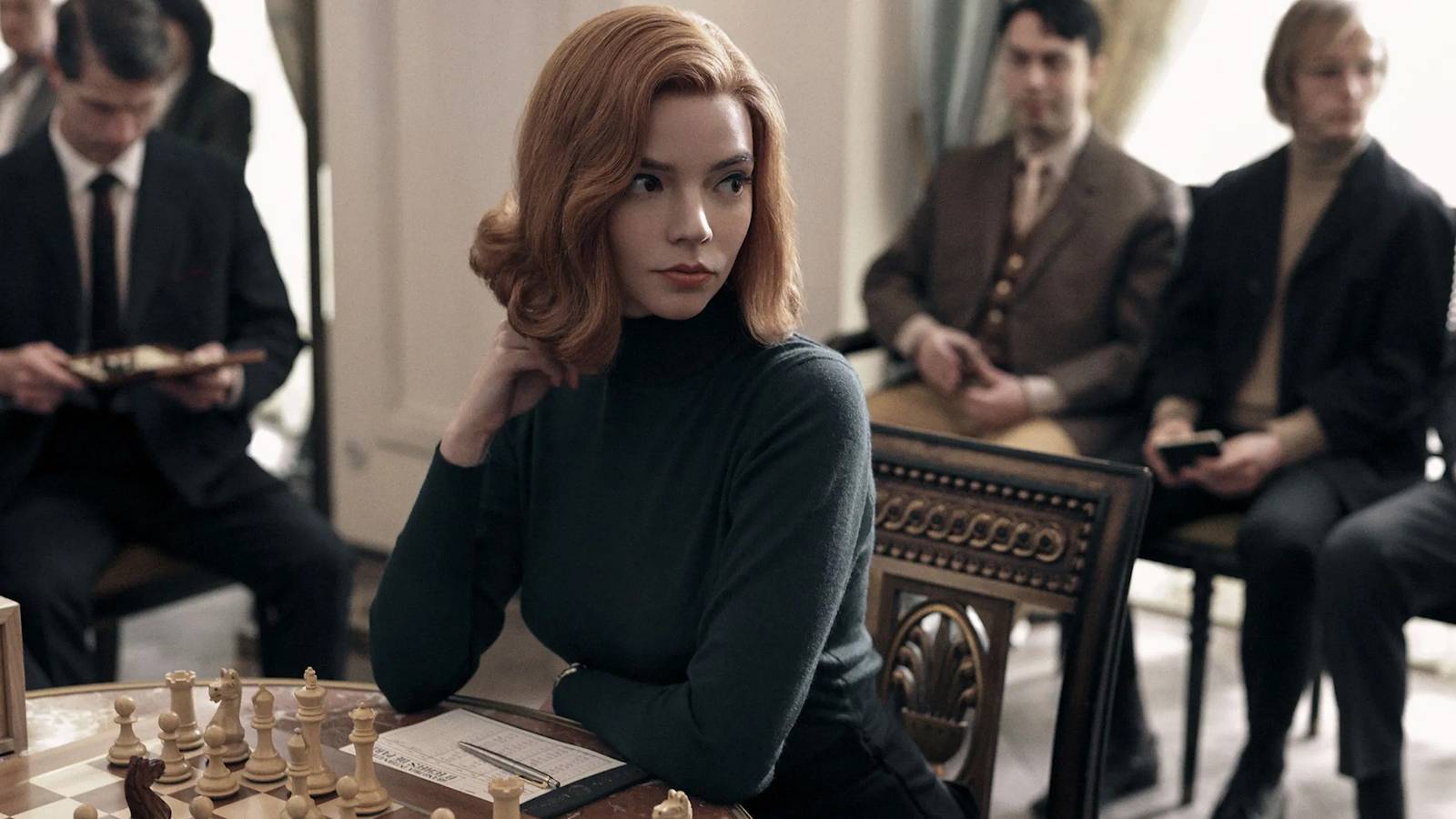
Walter Tevis's 1983 novel about orphaned chess prodigy Beth Harmon was already a classic, but its internal focus—Beth's brilliance and struggles unfold largely in her mind—seemed tough to adapt. Netflix's 2020 miniseries not only solved that problem but became a cultural phenomenon.
Anya Taylor-Joy conveys Beth's inner life through expressive acting, without narration, while the chess matches are transformed into cinematic spectacles through innovative visuals and sleek production design. The adaptation makes thoughtful changes, particularly to Beth's emotional journey, creating an even more satisfying payoff by the time she reaches Moscow. It's a rare case where a show refines an already exceptional story rather than merely recreating it.
3. Normal People
Sally Rooney's Normal People traces the on-again, off-again relationship between Connell and Marianne from high school through university. The novel's strength lies in its deep access to the characters' inner thoughts, which is notoriously hard to translate to screen. But the BBC/Hulu series proved it could be done.
Instead of voiceovers, the show relies on the remarkable performances of Paul Mescal and Daisy Edgar-Jones, who convey everything through subtle glances and silences, guided by the restrained direction of Lenny Abrahamson and Hettie Macdonald. The series even improves on the book's ending, giving Marianne more agency in the final conversation and slowing the pace for a more resonant conclusion.
2. Big Little Lies
Liane Moriarty's novel is a sharp domestic mystery about three Monterey mothers whose seemingly perfect lives unravel into murder. HBO's adaptation stays true to the central whodunit but amplifies the emotional stakes with a powerhouse cast—Reese Witherspoon, Nicole Kidman, Shailene Woodley, Laura Dern, and Zoë Kravitz.
Director Jean-Marc Vallée turns Monterey into a character itself, with crashing waves and surreal editing adding atmosphere. Kidman's portrayal of Celeste's abusive marriage is gut-wrenching, while Dern's Emmy-winning turn as Renata reveals unexpected vulnerability. The show's emotional depth surpasses the book, making it a standout example of adaptation done right.
1. The Leftovers
Tom Perrotta's novel presents a world where 2% of the population vanishes without explanation, focusing on the aftermath—grief, confusion, and spiritual crisis. The HBO adaptation stays faithful for the first season, then boldly diverges, with showrunner Damon Lindelof and Perrotta expanding the narrative into uncharted territory.
The series tackles questions the book never raises, leaving them open rather than resolving them, and becomes one of the most profound explorations of loss, faith, and human connection. Justin Theroux and Carrie Coon deliver career-best performances, and the acclaimed ending goes far beyond the source material, cementing The Leftovers as a masterpiece that outshines its literary origin.
These shows prove that adaptation isn't about duplication—it's about transformation. When done well, the screen can offer something the book can't: a new perspective, a deeper emotional resonance, or a story that expands beyond the page. For more on adaptations that got it right, check out our list of the best book-to-movie adaptations, or see which book-to-TV adaptations deserve a second chance. And if you're curious about how some shows break free from their source material entirely, read about Justified's neo-Western transformation.