When Justified first aired on FX, it felt like a breath of fresh air—a modern-day Western with a sharp-tongued U.S. Marshal and a Kentucky backdrop dripping with grit. But what many don't realize is that the show's pilot was almost a carbon copy of Elmore Leonard's short story 'Fire in the Hole.' While that faithful start earned respect, the series truly found its stride when it stopped following the book and started writing its own legend.
A Faithful Beginning
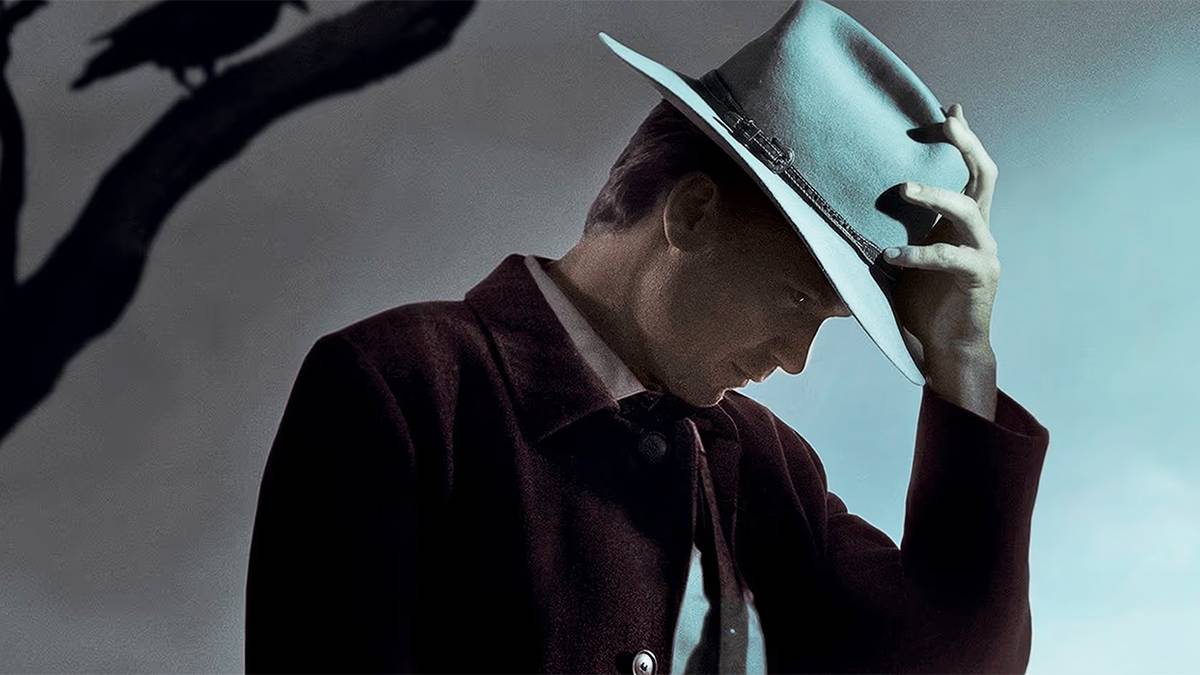
The premiere episode of Justified lifted scenes and dialogue straight from Leonard's work. Raylan Givens (Timothy Olyphant), Boyd Crowder (Walton Goggins), and Ava Crowder (Joelle Carter) jumped off the page and onto the screen with remarkable precision. Even the iconic shootout at Ava's dining table was pulled directly from the source. The show did tweak a few details—aging down the characters and adding an opening confrontation with Tommy Bucks—but the core was pure Leonard.
That respect for the original material set a high bar for adaptation. But as the series progressed, it became clear that the best was yet to come. The writers, led by Graham Yost, made a pivotal choice early on: they kept Boyd Crowder alive. In Leonard's story, Raylan kills Boyd. By reversing that fate, the show unlocked a dynamic that would define its entire run.
Straying from the Page
As Justified moved beyond 'Fire in the Hole,' it began to borrow from other Leonard works like Riding the Rap and Raylan, but it also started inventing its own arcs. The Miami mafia plot from Season 1, for instance, was inspired by Leonard's novel Pronto, but the show expanded it into something far richer. Later, the revival Justified: City Primeval took its name from a Leonard novel that didn't even feature Raylan Givens.
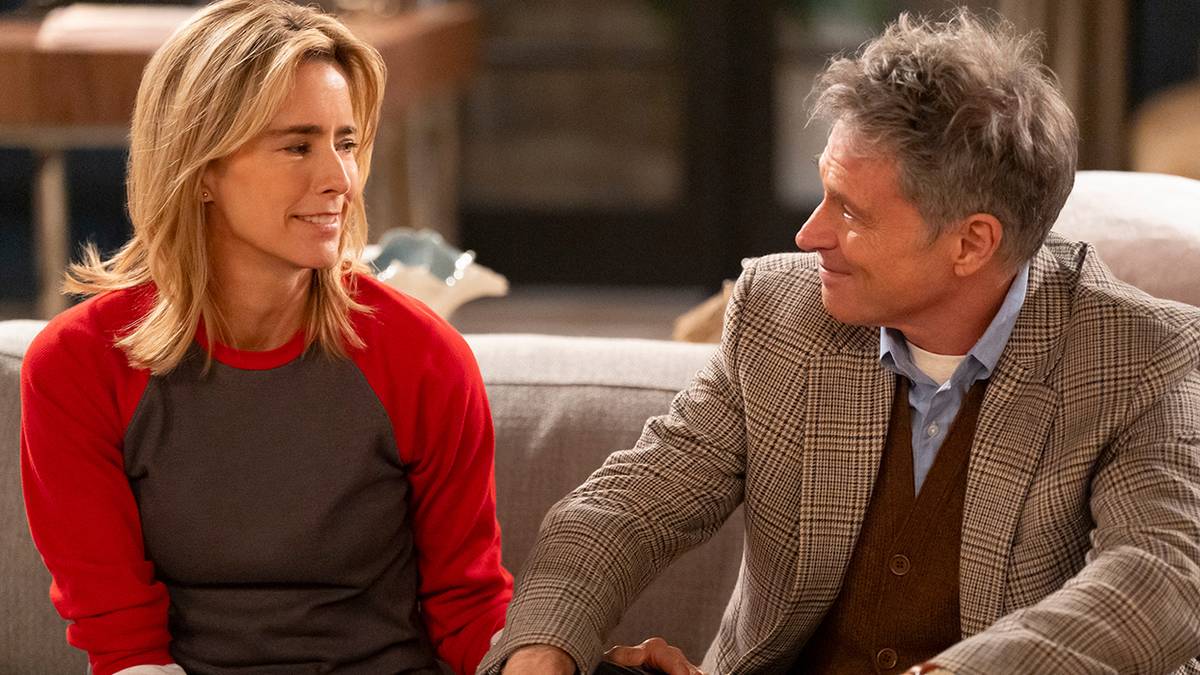
This freedom allowed the series to deepen characters like Winona (Natalie Zea), who barely existed in the original story. The show also introduced unforgettable antagonists and layered storylines that made each season feel like a chapter in an epic neo-Western. For fans of slow-burn crime dramas, Justified stands alongside shows like HBO's The Night Of in its ability to build tension and character over time.
Performances That Elevated the Material
Olyphant and Goggins delivered career-best performances, turning Raylan and Boyd into two of the most memorable characters in TV history. Their chemistry—equal parts rivalry and reluctant respect—was the show's heartbeat. Goggins, in particular, brought a volatile charm to Boyd that made him impossible to hate, even when he was committing heinous acts.
The show's willingness to evolve also paid off in its final season. The series finale, 'The Promise,' echoed Leonard's original story with a poignant nod: 'We dug coal together.' It was a callback that honored the source while celebrating how far the show had come. Much like Better Call Saul built on Breaking Bad, Justified used its foundation to create something even greater.
A Neo-Western for the Ages
Over six seasons, Justified proved that the best adaptations aren't afraid to break free. By blending Leonard's sharp dialogue with original storytelling, the show crafted a neo-Western that feels timeless. It's a testament to the power of taking risks—and a reminder that sometimes, the best way to honor a book is to write a new chapter.