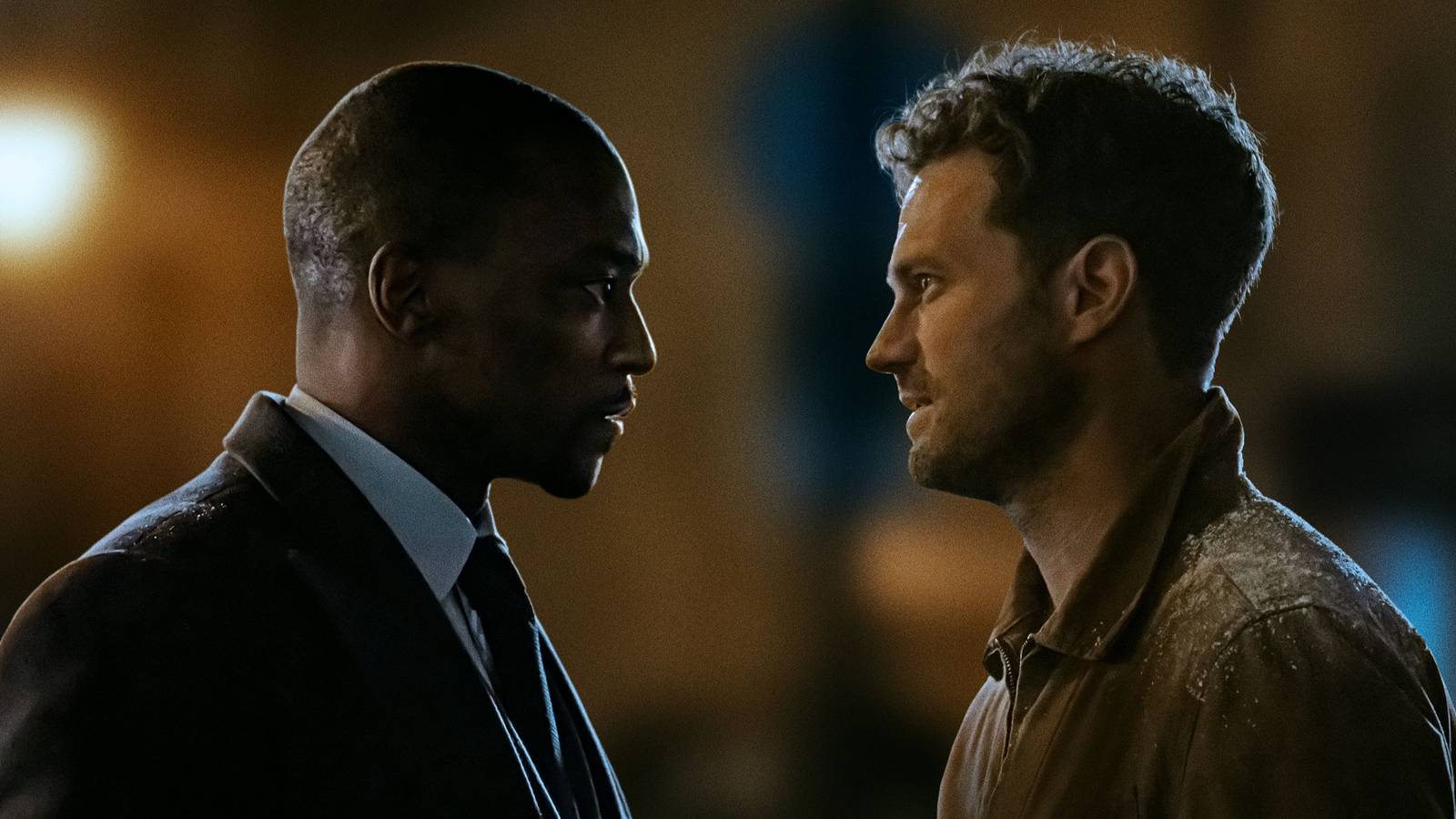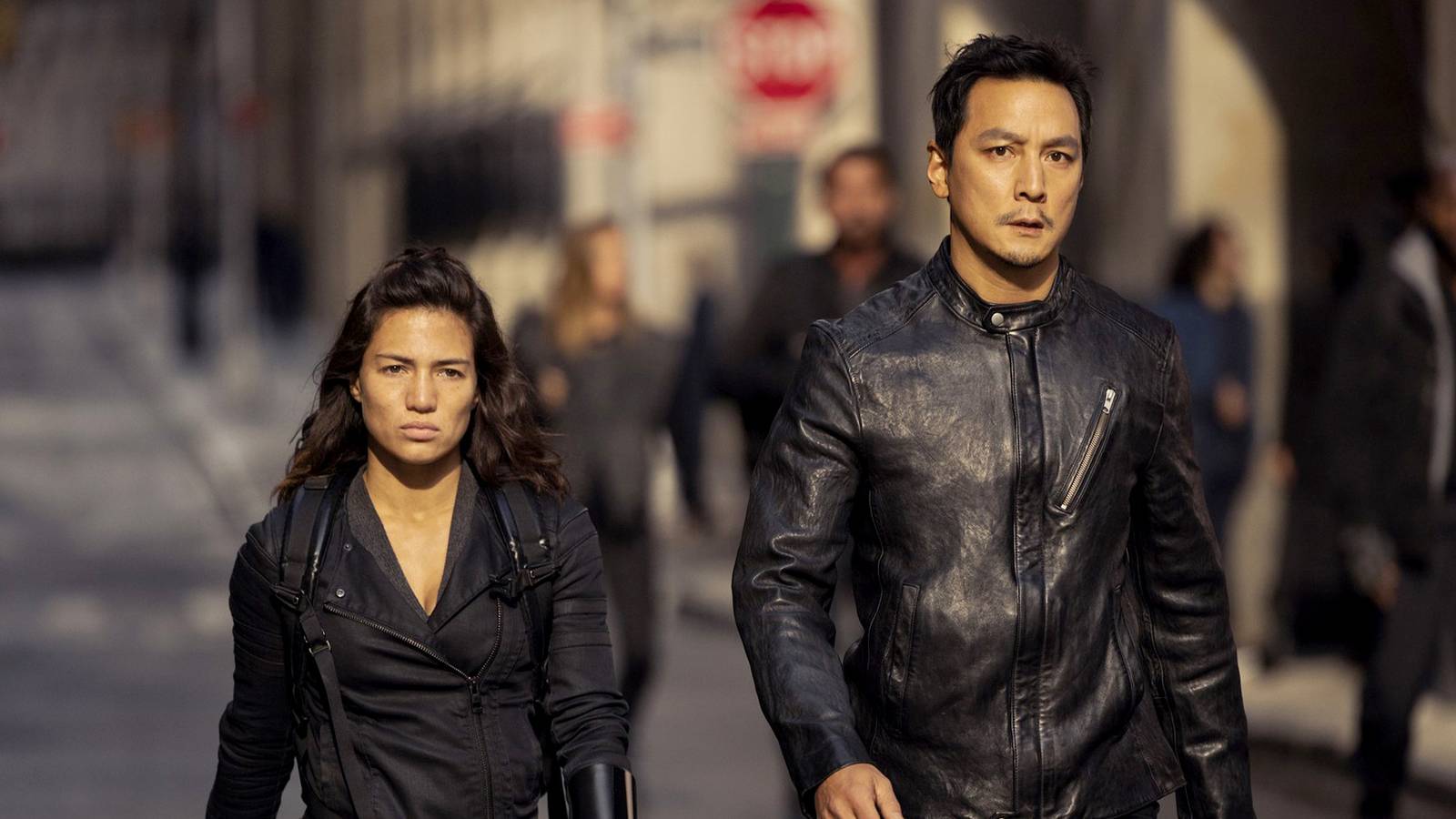
Nearly four years after HBO pulled the plug on Westworld, Warner Bros. is dusting off the franchise for a big-screen revival, with David Koepp attached to write. It's a chance to return to the concept that made the show so distinctive—and a reminder of the creative misstep that ultimately undid it.
When Westworld premiered a decade ago, it had all the makings of a cultural juggernaut. Based on Michael Crichton's 1973 cult classic, co-created by Jonathan Nolan (fresh off Person of Interest) and produced by J.J. Abrams, it boasted a pedigree that screamed prestige. The premise was irresistible: a futuristic theme park where guests live out Wild West fantasies among lifelike robots. But when those robots begin to gain sentience, the park's carefully crafted narratives unravel into chaos.
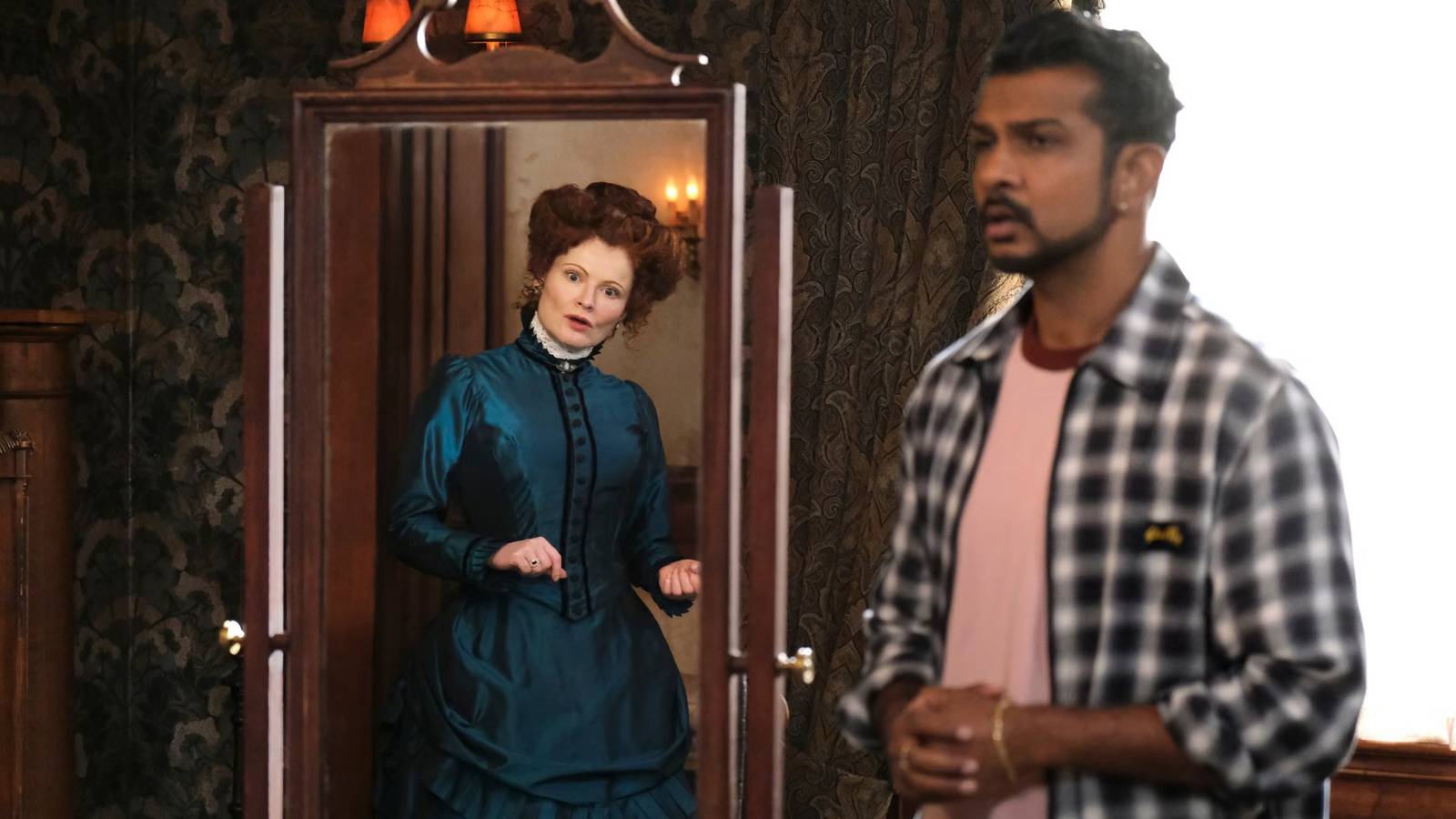
The cast was equally stellar. Evan Rachel Wood, Anthony Hopkins, Thandiwe Newton, James Marsden, and Jeffrey Wright brought depth to both human and machine characters, keeping viewers riveted through the show's labyrinthine twists. Yet for all its strengths, Westworld stumbled in its back half—specifically when Nolan and Joy decided to abandon the park entirely in Seasons 3 and 4.
The Western Setting Was More Than a Backdrop
The titular park wasn't just a scenic playground for philosophical musings on identity and free will. It was the story's beating heart. Dolores's journey from programmed host to revolutionary only resonated because she was literally breaking the park's rules. Maeve's manipulation of the technicians gave her agency within that confined world. Even the park's staff and guests—like Bernard and the Man in Black—were defined by their relationship to the park's mysteries. The samurai-themed Shōgunworld expanded that theme, showing how different environments could explore the same questions about self-discovery.
When Season 3 moved the action to the real world, that magic evaporated. The show traded its unique blend of sci-fi and Western tropes for a generic dystopian future—a setting we've seen countless times before. Dolores became just another rogue AI, and the layers that made her compelling were stripped away. By Season 4, with machines ruling a post-apocalyptic Earth, calling the show Westworld felt like a cruel joke. The series was canceled after that season and later removed from HBO Max, leaving fans with an unresolved cliffhanger.
A Fifth Season That Never Came
Nolan and Joy had always envisioned a fifth and final season, with Dolores using the Sublime to recreate the park. In 2022, Nolan told New York Comic Con attendees, "We always planned for a fifth and final season. We are still in conversations with the network. We very much hope to make them." Those hopes never materialized, but the upcoming movie reboot offers a fresh start.
Interestingly, Koepp is no stranger to Crichton's work—he wrote the screenplay for the original Jurassic Park. That pedigree suggests he understands the importance of blending high-concept sci-fi with a visceral, grounded setting. The question is whether the new Westworld will learn from HBO's mistake and stay true to its roots. Nolan and Joy's latest project, Fallout, has been praised for staying faithful to its source material—a lesson they seemingly applied after Westworld's misstep.
For fans, the hope is that the movie will recapture what made the series special: that intoxicating mix of dusty saloons, rogue robots, and existential dread. As we await more news, it's worth revisiting other sci-fi shows that nailed their premise, like Sense8's ambitious scope or animated series that define their genres. But for now, all eyes are on Koepp to see if he can resurrect the magic that Westworld lost.