Horror films live and die by their atmosphere, and no element is more crucial to building that atmosphere than the musical score. A great horror score doesn't just support the visuals—it burrows into your brain, making the terror linger long after the credits roll. When done poorly, it can ruin a scare; when done brilliantly, it becomes as iconic as the movie itself. Here are five horror scores that have achieved legendary status, standing tall alongside the films they haunt.
5. The Amityville Horror (1979)
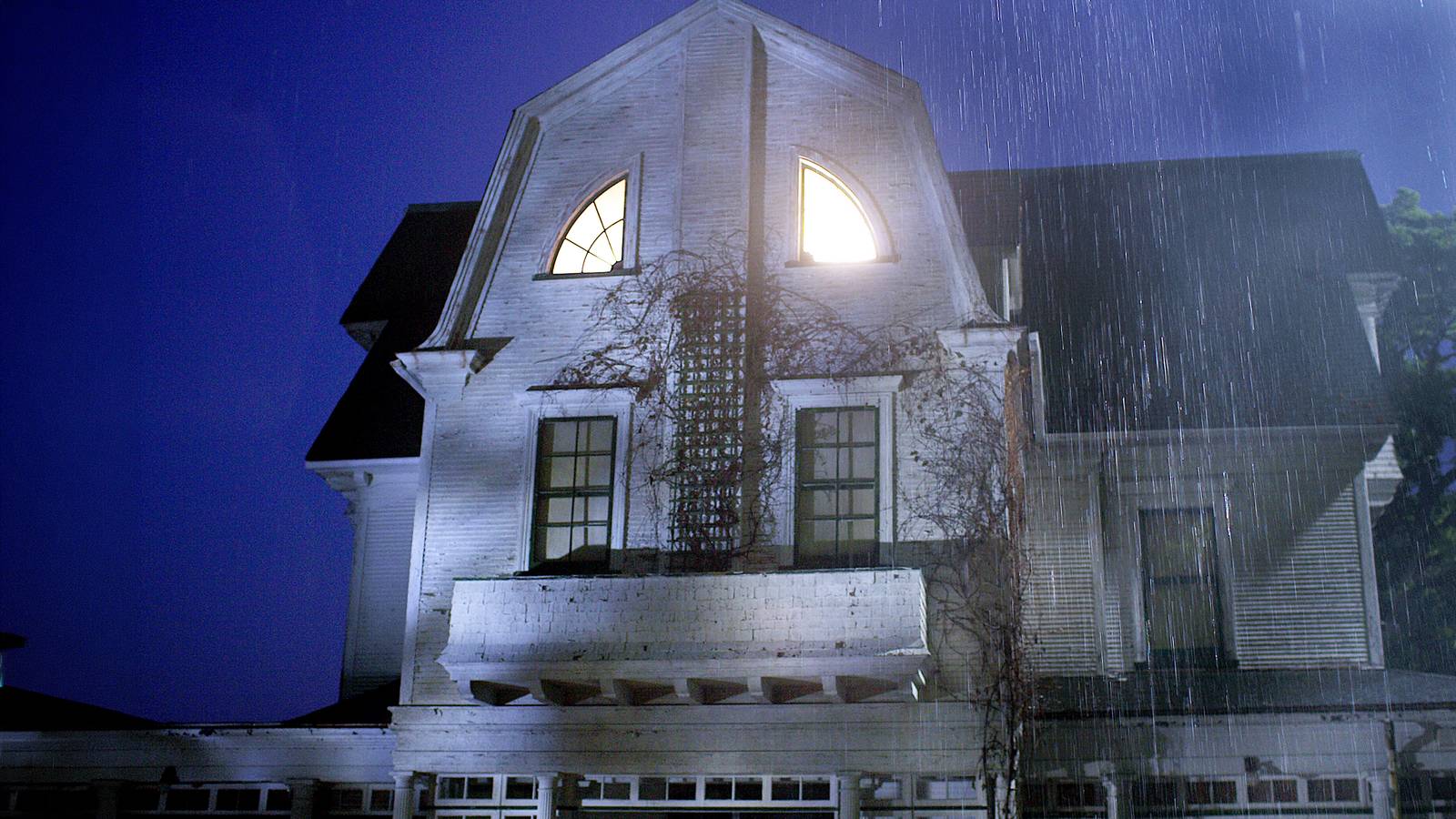
Director Stuart Rosenberg knew that selling the supernatural terror of The Amityville Horror required a masterful composer, so he enlisted Lalo Schifrin—the genius behind the Mission: Impossible theme and scores for Dirty Harry and Enter the Dragon. Schifrin had previously written a score for The Exorcist that was reportedly rejected for being too frightening, so he was no stranger to pushing musical boundaries.
For Amityville, Schifrin conceived the house itself as a living entity. He built the score from what he called "bricks"—small musical cells, including a nursery rhyme sung by children. The result opens with innocent, lilting "la la's" over strings, harp, and piano, then gradually introduces low, brooding strings that twist the sweetness into something deeply unsettling. It's a perfect reflection of the film's central conflict: a family's dream home hiding an unspeakable evil.
4. Psycho (1960)
Alfred Hitchcock originally envisioned a light jazz score for Psycho, but thankfully, Bernard Herrmann's stark, strings-only composition won out. Working with a low budget, Herrmann used a minimalist ensemble of muted strings to create an almost unbearable sense of dread and restraint. That restraint shatters in the infamous shower scene, where the mutes are removed and frantic, shrieking violins mimic the chaos of the editing. As Marion Crane's life slips away, the music slows, with rising and falling basses symbolizing her final moments.
The sudden shift in score is as jarring as the murder itself, creating one of the most iconic marriages of sound and image in cinema history. Hitchcock later admitted that "thirty-three percent of the effect of Psycho was due to the music." Herrmann was paid double his usual fee for the job—and it was worth every penny.
3. A Nightmare on Elm Street (1984)
"One, two, Freddy's coming for you..." That creepy, two-note playground taunt is the most recognizable element of Charles Bernstein's score for A Nightmare on Elm Street. It twists something innocent—children's voices—into a sinister warning, perfectly capturing the film's premise of a child murderer stalking teenagers in their dreams. The main theme, a ten-note music-box melody, perverts innocence into something deeply disturbing, while Bernstein's innovative use of synthesizers adds a modern, unsettling edge. It's a score that makes you feel like something is fundamentally wrong with the world—exactly as intended.
2. Jaws (1975)
Arguably the most famous two notes in Hollywood history, John Williams' Jaws theme is a masterclass in simplicity. Director Steven Spielberg initially thought it was a joke. "I expected to hear something kind of weird and melodic, something tonal, but eerie," Spielberg recalled. "What he played me instead, with two fingers on the lower keys, was 'dun dun, dun dun, dun dun.' And at first, I began to laugh." But Williams wasn't kidding, and the result became the film's secret weapon. With the mechanical shark malfunctioning constantly, the score took on the burden of representing the unseen predator, creating unbearable tension with just a few notes. It's a prime example of how music can be the most vital component of a horror film—sometimes even more than the monster itself.
1. Halloween (1978)
No list of legendary horror scores would be complete without John Carpenter's minimalist masterpiece for Halloween. Composed in just a few days, the eerie 5/4 piano theme is as synonymous with Michael Myers as the white mask itself. Carpenter's use of synthesizers and simple, repetitive melodies creates a relentless sense of impending doom. The score is so effective that it has been reused, remixed, and referenced countless times, becoming a shorthand for horror itself. It's a reminder that sometimes the simplest music is the most terrifying.
These five scores prove that horror isn't just about what you see—it's about what you hear. From the strings of Psycho to the synthesizers of Halloween, these compositions have taken on lives of their own, haunting us long after the films end. For more terrifying tunes, check out our list of horror movies that hook you instantly, or dive into the greatest monster movies ever made. And if you're in the mood for something different, explore the best vampire movies of the past 50 years.