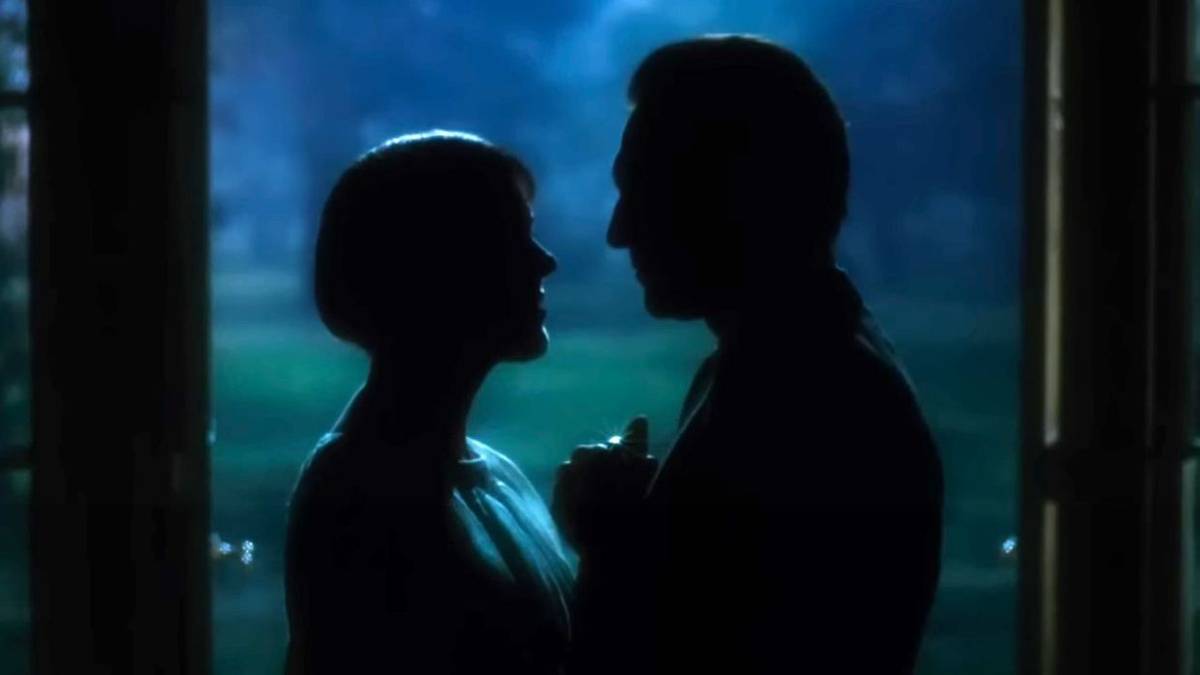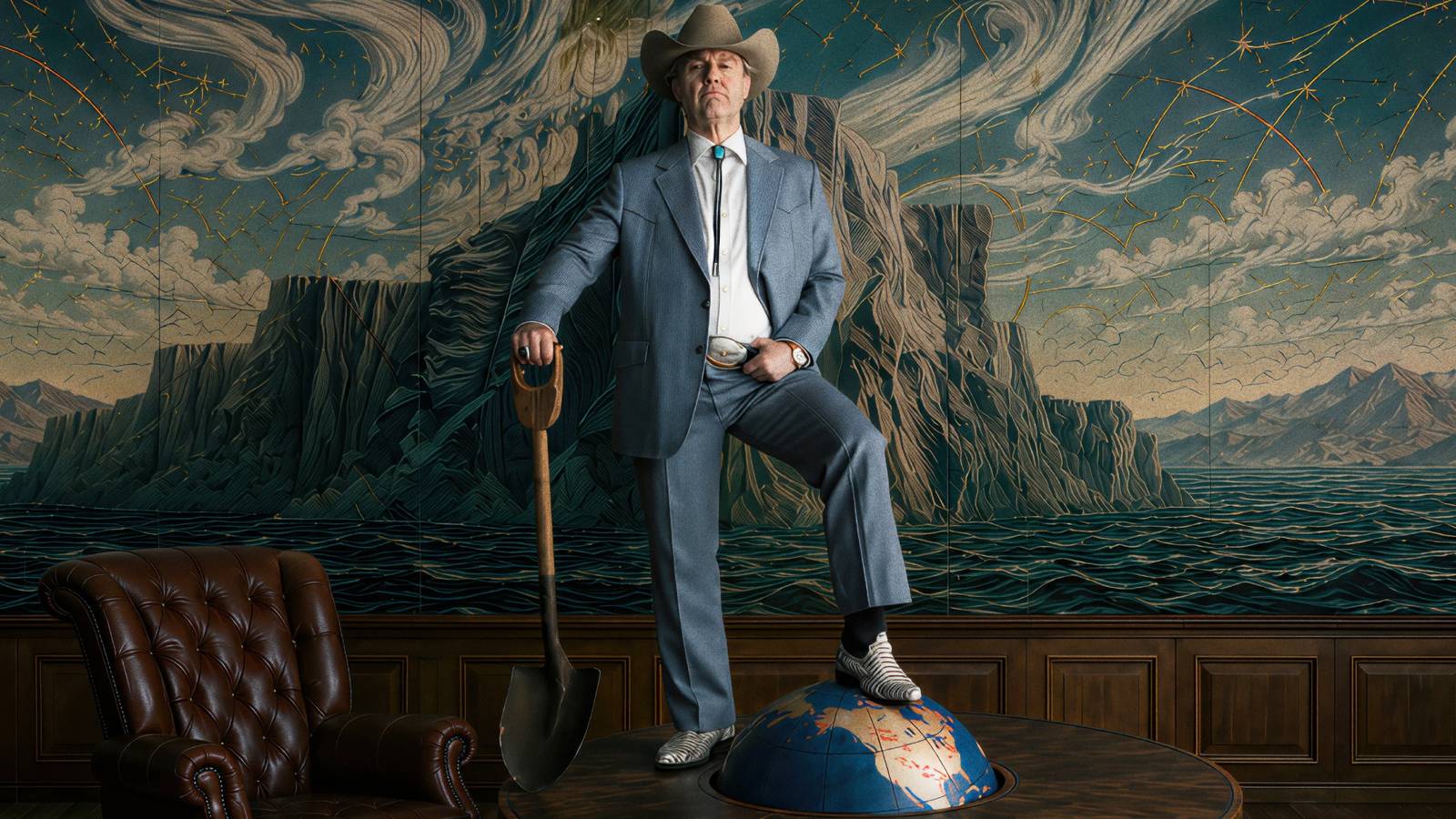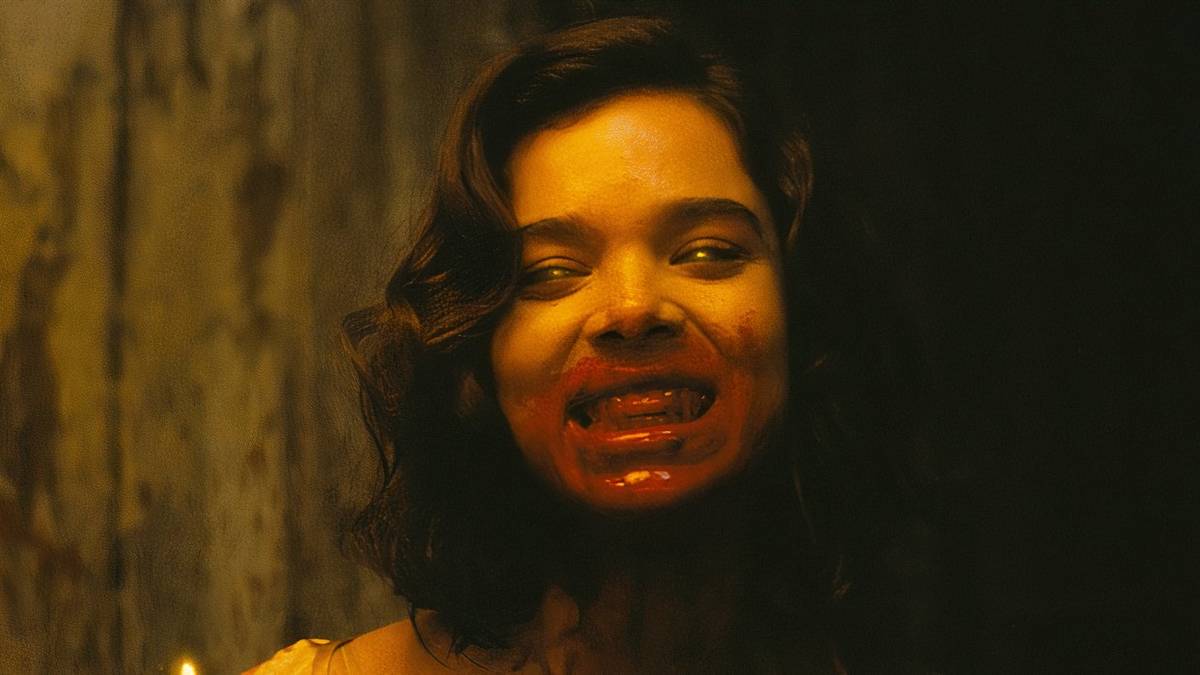
Vampires have haunted the silver screen since cinema's infancy, evolving from silent-era shadows to leather-clad rebels, sparkly heartthrobs, and even space-faring creatures. Over the last fifty years, the genre has undergone a remarkable transformation, with each decade adding fresh twists to the bloodsucking mythos. While some fanged flicks have vanished like vampires at dawn, others have achieved immortality. Here are the ten greatest vampire movies of the past half-century, ranked.
10. Def by Temptation (1990)
Vampire cinema has often been dominated by pale European aristocrats, but Black filmmakers have carved out their own niche, from the blaxploitation era's Blacula to the cult favorite Ganja & Hess and the badass hunter Blade. Lesser known but equally potent is Def by Temptation, a low-budget horror-comedy that explores faith, masculinity, and sexuality from a Black perspective. Written and directed by James Bond III, the film follows a succubus (Cynthia Bond) preying on Black men in 1990 New York City, while a young man named Joel (Bond III) grapples with a crisis of faith. With a supporting cast including Bill Nunn and Samuel L. Jackson, and vibrant cinematography by future horror director Ernest Dickerson, this film is a vital piece of Black horror history, though it remains obscure due to its limited release by Troma Entertainment.
9. Fright Night (1985)
Vampires have proven remarkably adaptable, moving from gothic castles to small-town America, coastal California, and even outer space. In the 1980s, Tom Holland brought them to the suburbs in Fright Night. Charley Brewster (William Ragsdale) is a horror movie fan who suspects his new neighbor Jerry Dandridge (Chris Sarandon) is a vampire. He enlists the help of washed-up horror host Peter Vincent (Roddy McDowall), named after icons Peter Cushing and Vincent Price. With its perfect blend of camp, scares, and queer subtext, Fright Night remains a beloved classic that even inspired a decent remake.
8. Martin (1977)
George A. Romero, the master of zombie cinema, took a subversive swing at vampires with Martin. This unsettling film follows a young man (John Amplas) who lacks fangs and uses drugs and razorblades to drain his victims. He's more a serial killer with a blood fetish than a traditional undead creature. Shot on a low budget in Pittsburgh, the film strips away gothic ambience, replacing it with a mundane, gritty reality. Romero uses vampirism as a metaphor for addiction and mental illness, crafting a bizarrely sympathetic portrait of a monster. It's a singular, thought-provoking entry in the genre.
7. Bram Stoker's Dracula (1992)
Francis Ford Coppola's lavish adaptation brought the Count back to the big screen with operatic grandeur. Gary Oldman delivers a mesmerizing performance as Dracula, a tragic figure driven by love and loss. The film is a visual feast, with stunning costumes, practical effects, and a haunting score by Wojciech Kilar. While some critics found it over-the-top, its passionate, gothic romance and Oldman's iconic portrayal have cemented its status as a modern classic. It's a reminder that even the most famous vampire can be reinvented with style and substance.
6. Near Dark (1987)
Kathryn Bigelow's Near Dark is a gritty, neo-Western vampire tale that swaps gothic castles for the American heartland. A young man named Caleb (Adrian Pasdar) is bitten by a beautiful drifter (Jenny Wright) and finds himself thrust into a nomadic vampire clan led by the ruthless Jesse Hooker (Lance Henriksen). The film blends horror, action, and romance against a backdrop of dusty highways and neon-lit diners. With its stylish direction and memorable performances, Near Dark is a cult favorite that redefined the vampire as a modern outlaw.
5. The Lost Boys (1987)
Joel Schumacher's The Lost Boys brought vampires to the sun-soaked beaches of California, turning them into rebellious teenagers. When brothers Michael (Jason Patric) and Sam (Corey Haim) move to the town of Santa Carla, they discover a gang of vampire bikers led by the charismatic David (Kiefer Sutherland). With its iconic soundtrack, stylish visuals, and blend of horror and teen angst, The Lost Boys became a defining film of the 1980s and a beloved vampire classic. It's a fun, thrilling ride that captures the eternal allure of the undead.
4. Let the Right One In (2008)
Tomas Alfredson's Swedish masterpiece Let the Right One In is a haunting, beautiful tale of a lonely boy named Oskar and his mysterious new neighbor, Eli, who turns out to be a vampire. Set in a bleak Stockholm suburb, the film explores themes of bullying, friendship, and the monstrous nature of love. With its atmospheric cinematography and understated performances, it's a deeply affecting story that transcends the horror genre. The film's chilling yet tender portrayal of a vampire's existence has earned it a place among the greatest vampire movies ever made.
3. Shadow of the Vampire (2000)
This ingenious meta-horror film reimagines the making of F.W. Murnau's 1922 classic Nosferatu. John Malkovich stars as Murnau, who hires a real vampire, played by Willem Dafoe, to star in his film, promising him the leading lady's blood in return. Dafoe's performance is mesmerizing, earning him an Oscar nomination. Shadow of the Vampire is a clever, unsettling exploration of art, obsession, and the dark side of cinema. It's a must-see for film buffs and vampire enthusiasts alike.
2. Interview with the Vampire (1994)
Neil Jordan's adaptation of Anne Rice's novel is a lush, gothic epic that follows the immortal life of Louis (Brad Pitt), who recounts his story to a journalist. Turned by the charismatic and cruel Lestat (Tom Cruise), Louis struggles with his vampiric nature and his relationship with the child vampire Claudia (Kirsten Dunst). The film is a sumptuous feast of decadence and despair, with standout performances and a haunting score. Interview with the Vampire remains a benchmark for vampire cinema, exploring themes of immortality, morality, and loneliness.
1. Nosferatu the Vampyre (1979)
Werner Herzog's remake of the silent classic is a haunting, atmospheric masterpiece that stands as the greatest vampire film of the last fifty years. Klaus Kinski delivers a terrifyingly sympathetic performance as Count Dracula, a creature of loneliness and despair. Set against the bleak landscapes of Europe, the film is a meditation on death, obsession, and the human condition. Herzog's direction is meticulous, creating a sense of dread and beauty that lingers long after the credits roll. Nosferatu the Vampyre is not just a horror film; it's a work of art that redefines the vampire myth for the modern age.
From the gritty realism of Martin to the operatic romance of Bram Stoker's Dracula, these films showcase the incredible range and enduring appeal of vampire cinema. Whether you prefer your vampires terrifying, tragic, or just plain cool, there's something on this list for every bloodsucker fan. For more cinematic rankings, check out our list of the best detective movies since 2000 or dive into horror movies that hook you in the first five minutes.