When Apple TV secured the rights to William Gibson's Neuromancer, it felt like a major win for sci-fi fans. But with that win comes a monumental challenge: the 1984 novel has long been dubbed "unfilmable." While that label gets thrown around a lot, it sticks to Neuromancer with unusual force. The book essentially birthed the cyberpunk genre and even coined the term "cyberspace," yet its core takes place in an abstract virtual reality that defies easy visual translation. Add to that Gibson's deliberately fragmented prose, shaped by his narrator's altered mental state, and you have a recipe that's left filmmakers scratching their heads for decades.
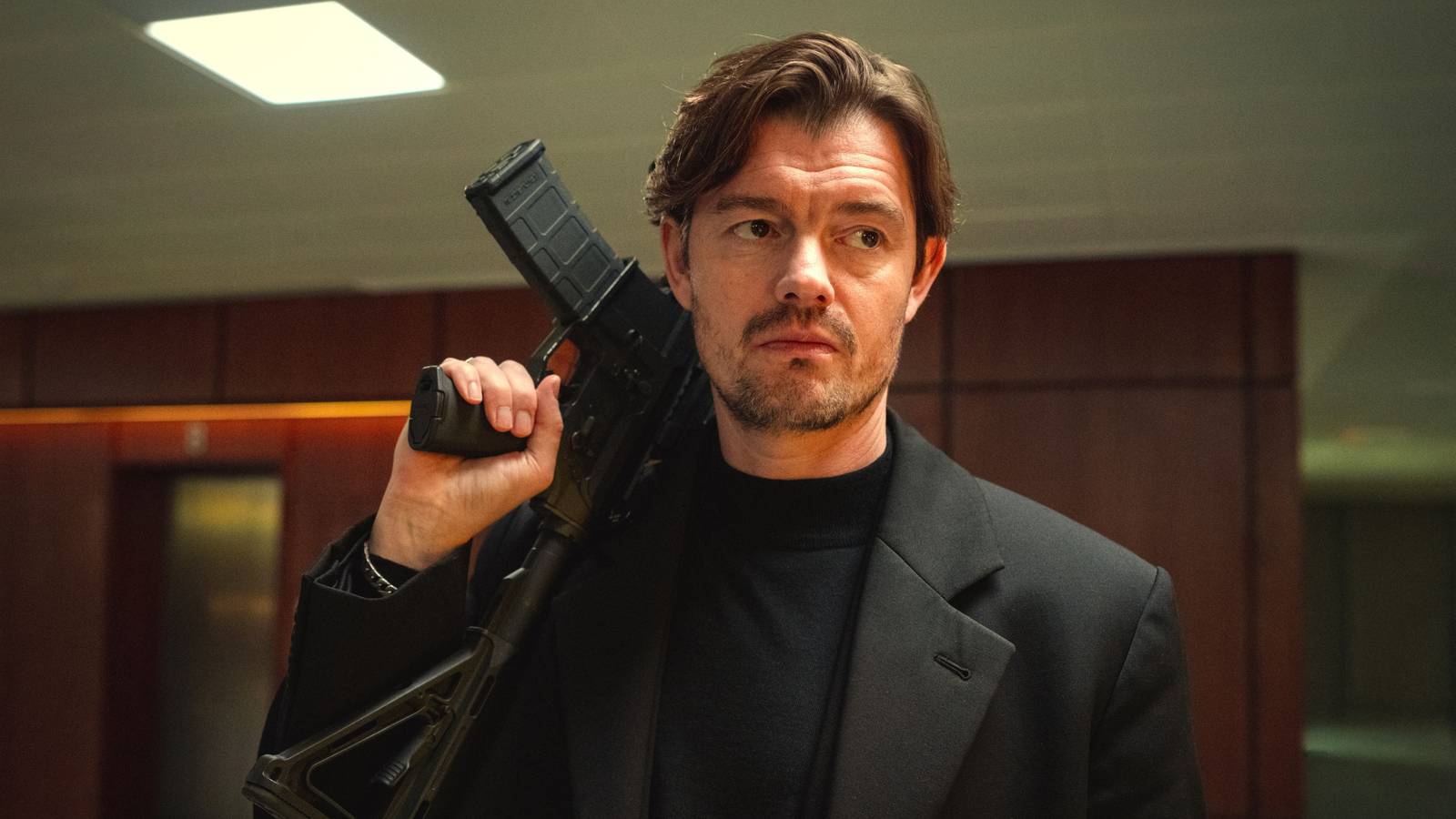
Set in a dystopian future where tech has only deepened inequality and oppression, Neuromancer follows Case (Callum Turner), a young con artist with a rare gift for navigating cyberspace. But Case is also a drug addict recovering from a severe nervous system injury, which colors every scene with a surreal, disorienting haze. That's a tough nut to crack on screen, but Apple TV's series has one big advantage: time. A 10-hour streaming format gives the story room to breathe, unlike a two-hour movie that would have to compress Gibson's dense worldbuilding into a frantic sprint.
Why Atmosphere Is Everything in Neuromancer
The plot and characters are compelling, but what truly made Neuromancer a landmark is its atmosphere. Gibson uses a third-person limited narrator, so readers only see what Case perceives—and Case is about as unreliable as they come. This narrative trick means every piece of exposition doubles as character development, revealing his mindset and his broken condition. It's brilliant in a novel, but translating that intimacy to the screen is a different beast. Adaptations often struggle to hold such a close perspective, as we've seen with recent efforts like Project Hail Mary, which streamlined its science, or A Knight of the Seven Kingdoms, which broadened its view. For Neuromancer, the challenge is even steeper because the world and Case's psyche are so intertwined.
To pull this off, the show will need to balance clarity with chaos. Viewers need to understand the action—especially when Case is in peril—but they also need to feel his confusion and hopelessness. That means the series will likely have to embrace dream-like sequences, something many adaptations shy away from. Think of how Game of Thrones trimmed the prophetic dreams of the books; Neuromancer can't afford that luxury. Case's backstory unfolds in fragmented flashbacks tied to his cyberspace trips, and those moments are essential to the story's emotional core.
Can a Streaming Budget Solve the Unfilmable?
Streaming-era budgets have made previously impossible adaptations feasible, and Neuromancer is a prime candidate. The visual effects needed to render cyberspace—a neon-lit, abstract dimension that's part hallucination, part data stream—are now within reach. But runtime alone won't fix everything. The book is action-packed, leaving little room for lengthy tech explanations. The series must keep the pace brisk while still making the world comprehensible. It's a tightrope walk, but the early trailers suggest Apple TV is up for the challenge.
There's also precedent for Apple TV nailing ambitious sci-fi. The streamer's first big hit, See, proved they can build immersive worlds from scratch. And with other projects like Hugh Laurie's prison break drama and Jenna Ortega's dark thriller finding audiences, the platform is clearly investing in bold, character-driven stories.
Ultimately, Neuromancer's success hinges on whether the show can make us feel like we're inside Case's head. If it does, it could be a landmark adaptation. If it doesn't, it'll be another cautionary tale about the perils of "unfilmable" books. We'll find out when the series premieres on January 22, 2027, on Apple TV. Until then, Gibson's novel and its sequels remain essential reading for anyone curious about the roots of cyberpunk.