The Marvel Cinematic Universe has been a dominant force in entertainment for nearly two decades, evolving from the groundbreaking Iron Man in 2008 to cultural milestones like Black Panther and Captain Marvel, and record-breaking epics like Avengers: Endgame. While not every project has been a hit, Marvel's influence is undeniable. The studio has also made waves on television, with acclaimed series like Loki, Moon Knight, and Wonder Man. Yet, none have matched the cultural impact of WandaVision, the Emmy-nominated Disney+ series that blended sitcom nostalgia with deep emotional storytelling.
Now, the trilogy that began with WandaVision and continued with Agatha All Along is set to conclude with VisionQuest. While fans were initially concerned about the absence of Jac Schaeffer, the creative force behind the first two shows, the announcement of Terry Matalas as showrunner has sparked excitement. Matalas, known for his work on 12 Monkeys and Star Trek: Picard, was hand-picked by Kevin Feige for his genre expertise and deep Marvel fandom. During a recent set visit at Pinewood Studios, we spoke with Matalas, Paul Bettany, and other cast members about what to expect from this highly anticipated finale.
A True Trilogy
Matalas assures fans that VisionQuest will honor the legacy of its predecessors. "We're spending the brilliant currency that was printed in WandaVision," he says, emphasizing that the series will directly follow the events of the previous shows, particularly the introduction of Billy in Agatha All Along. Schaeffer may not be showrunning, but she remains an executive producer, ensuring continuity. Director Ganja Monteiro, who helmed episodes of Agatha All Along, is also returning to direct episodes 3 and 4 of VisionQuest, further solidifying the creative synergy.
Newcomer Ruaridh Mollica, who plays Vision's son Tommy, is thrilled to be part of this trilogy. Citing Iron Man as his favorite MCU film and the two preceding series as his favorite shows, Mollica says, "It's nice to be adjacent to and echo that."
Vision's Journey of Self-Discovery
At the heart of VisionQuest is Vision's quest to understand himself. Paul Bettany reveals that his character will grapple with two fundamental questions: "Who am I?" and "What is my purpose?" He draws a parallel to classic robot narratives: "You can either do the Pinocchio 'I'm a real boy,' which we have done, or you can do Frankenstein, 'Why was I made?'"
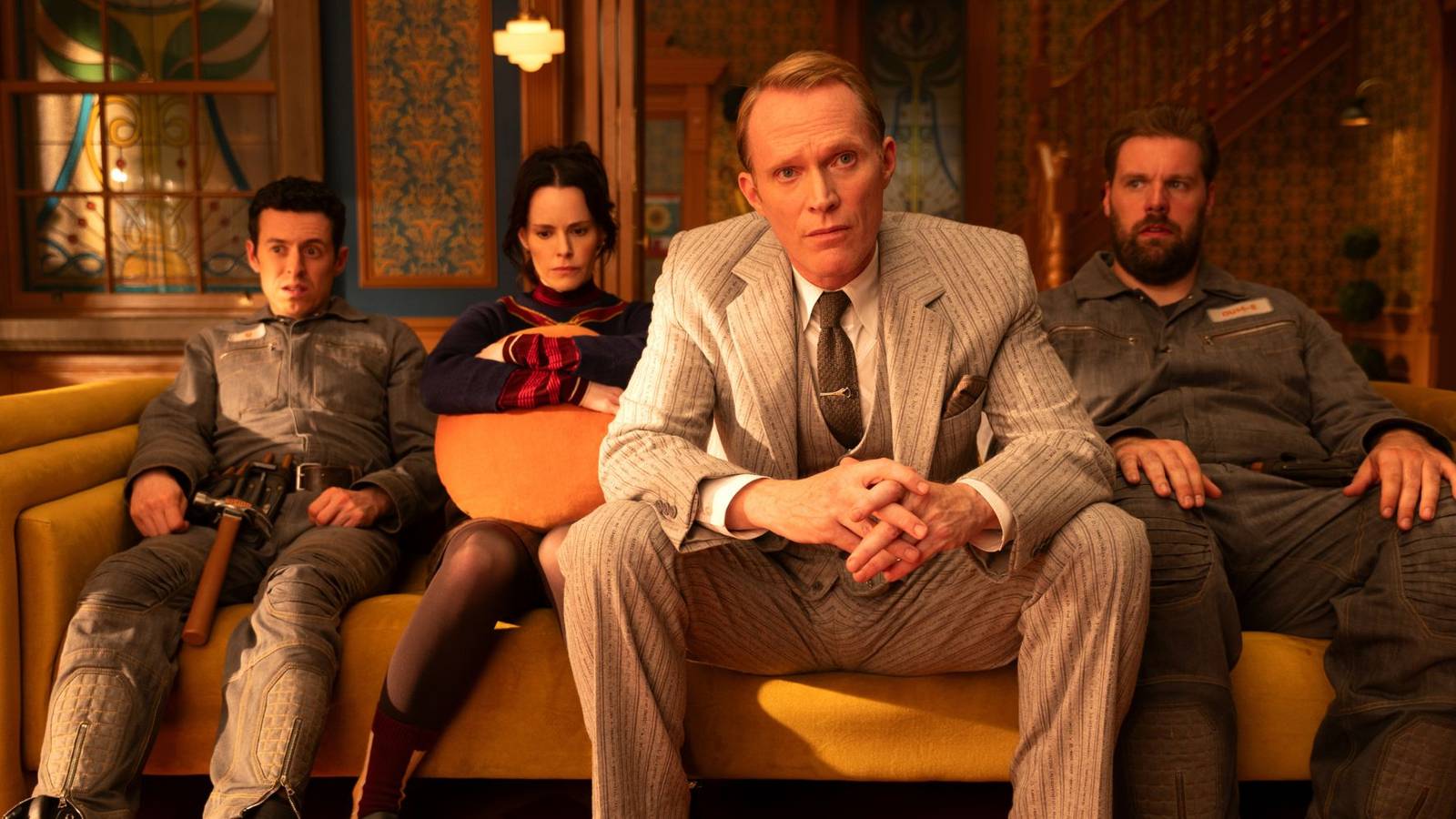
After the events of WandaVision, Vision has his memories but lacks emotional connection to them. To cope, he has been living as a human, working at a pub during the day and cooling down in a walk-in freezer at night. It's there that he enters the Mindspace, a theatrical representation of his quantum computer mind, where he interacts with other rescued AIs from the Stark Compound, including J.A.R.V.I.S., F.R.I.D.A.Y., E.D.I.T.H., and even Ultron, who Vision spared at the last moment in Avengers: Age of Ultron.
Matalas explains that each AI embodies different aspects of humanity. For instance, E.D.I.T.H. focuses on fun and enjoyment, while others represent logic, emotion, or memory. Together, they help Vision navigate his journey of self-discovery.
With the help of this makeshift AI family, Vision will attempt to understand what it means to be human. The series promises to be a poignant exploration of identity, legacy, and the nature of consciousness, all while delivering the action and spectacle fans expect from the MCU.
As the MCU continues to expand, VisionQuest stands as a testament to the studio's willingness to take risks and tell deeply personal stories within a blockbuster framework. For more on the MCU's future, check out our Black Mirror season 8 update or our Dead City season 4 tease.