Spy novels have become so ingrained in popular culture that they risk becoming a parody of themselves. On one side, you have the suave secret agent in a tailored tuxedo, ordering a martini that's more about style than substance. On the other, there's the gritty world of double-crosses and coded messages, where nothing is as it seems. Decades of films, TV shows, and countless imitators have drawn from these wells so often that you might think the genre has run dry. But the truth is, the books that started it all still hold surprises, offering more depth, wit, and humanity than you'd expect.
These foundational works dig into the contradictions at the heart of espionage—the moral gray areas, the absurdity, the human flaws. They're not just about gadgets and car chases; they're about people trying to navigate a world where trust is a luxury and betrayal is the norm. If you're new to spy fiction, these seven novels are the perfect place to start. They'll challenge your expectations, make you laugh, and keep you turning pages late into the night.
The Mask of Dimitrios (1939)
Eric Ambler's The Mask of Dimitrios flips the classic writer-turned-detective trope on its head. Charles Latimer, a mystery novelist, stumbles upon the corpse of a notorious criminal while vacationing in Istanbul. His curiosity gets the better of him, and he sets off across Europe to piece together the dead man's life. But Latimer is no super-spy—he's an ordinary man who often finds himself out of his depth. Yet Ambler doesn't make him a fool; he's smart enough to know when to ask questions and when to stay quiet, but he's also human enough to make mistakes. In a genre now filled with larger-than-life heroes, Latimer's relatable vulnerability is refreshing.
The Spy Who Came in from the Cold (1963)
John le Carré's classic is a masterclass in moral ambiguity. Alec Leamas, a British intelligence officer, has spent years lying, sending agents into danger, and following orders he barely believes in. Meanwhile, his East German counterpart, Jens Fiedler, still holds onto the principles Leamas has lost. Le Carré forces readers to question who the real hero is, making it impossible to root for anyone without reservation. As the plot unfolds, you'll find yourself sympathizing with the enemy and distrusting the protagonist—a testament to le Carré's genius.
Our Man in Havana (1958)
Graham Greene's satirical take on espionage is both hilarious and unsettling. James Wormold, a vacuum cleaner salesman in Havana, is recruited by British intelligence. He knows nothing about spying, so he invents informants and fabricates reports. His superiors are so impressed that they send someone to help manage his operation. But when the people he named as informants start turning up dead, the comedy turns dark. Greene skewers the intelligence establishment, showing how easily they fool themselves—and how dangerous that self-deception can be.
The Eye of the Needle (1978)
Ken Follett's World War II thriller is a tense, high-stakes game of cat and mouse. The Allies have devised an elaborate deception to convince the Germans that the invasion will come at Calais, complete with inflatable tanks and dummy aircraft. But a German spy, Henry Faber, discovers the truth. Follett masterfully shows how the grandest plans can hinge on the actions of a single individual. Faber's mission depends on deceiving Lucy, a lonely woman who becomes his only hope—and his greatest threat.
Casino Royale (1953)
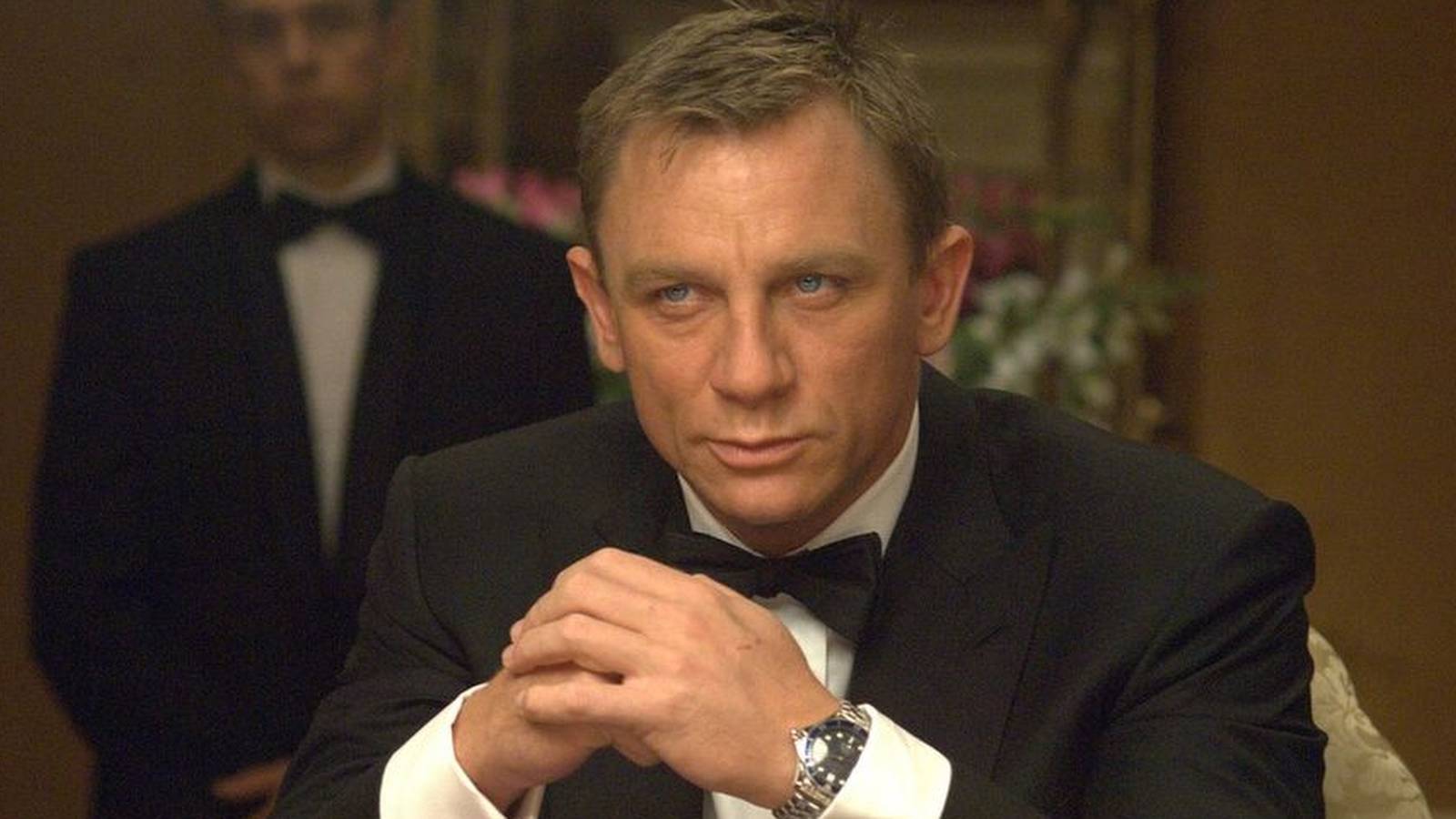
Before he was a movie icon, James Bond was a literary creation who redefined the spy genre. Ian Fleming's Casino Royale introduces Bond as a cold, calculating agent on a mission to bankrupt a French union official at the gaming tables. It's a far cry from the gadget-laden films, focusing instead on psychological warfare and the toll that espionage takes on a man. Bond is flawed, vulnerable, and utterly compelling—a perfect entry point for newcomers.
Tinker Tailor Soldier Spy (1974)
Le Carré returns with a labyrinthine tale of moles and betrayal. George Smiley, a retired intelligence officer, is called back to uncover a Soviet agent embedded at the top of British intelligence. The novel is dense, intricate, and deeply rewarding, offering a realistic portrayal of espionage as a battle of wits rather than bullets. It's a must-read for anyone who wants to understand the genre's intellectual side.
The Day of the Jackal (1971)
Frederick Forsyth's thriller is a meticulous, almost documentary-style account of an assassination attempt on French President Charles de Gaulle. The unnamed Jackal is a professional killer hired by disgruntled OAS members, and the novel alternates between his preparations and the police's desperate hunt to stop him. It's a gripping, cat-and-mouse chase that keeps you on the edge of your seat until the very last page.
These seven novels are more than just a starting point—they're the foundation of modern spy fiction. They'll make you laugh, think, and question everything you thought you knew about the genre. So pick one up, and let the adventure begin.