Nearly a decade after Spider-Man: Homecoming swung into theaters, one line from Tony Stark still cuts deeper than almost any other in the Marvel Cinematic Universe. It's not a flashy one-liner or a quip—it's a quiet, devastating truth that defines what it really means to be a hero. And now, thanks to the jaw-dropping finale of The Boys, that lesson has never felt more urgent.
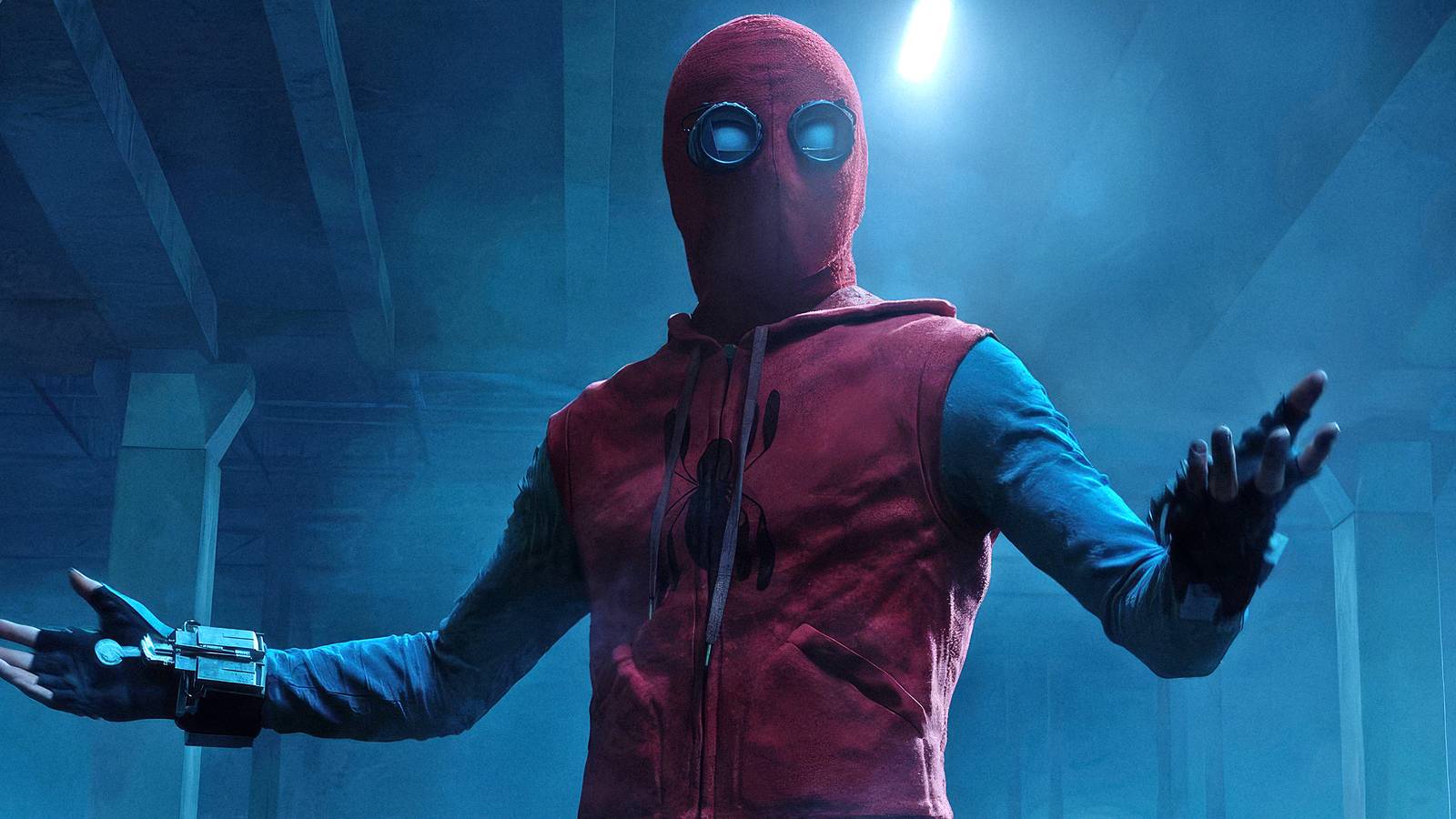
The moment comes when Peter Parker (Tom Holland), reckless and over his head, loses the high-tech suit Tony Stark (Robert Downey Jr.) gave him. Peter pleads that without the suit, he's nothing. Tony's reply is as cold as it is wise: "If you're nothing without this suit, then you shouldn't have it."
On the surface, it sounds like a lecture about responsibility. But Homecoming quickly proves Tony wasn't just talking about fabric and gadgets. He was talking about identity. Peter had started to believe the suit—with its AI, its hundreds of functions, its instant reconnaissance—was what made him special. Tony saw the danger: a hero who relies on props instead of principles is a hero waiting to fall.
The movie's final act drives the point home. Stripped of Stark's tech, Peter dons his old homemade costume and still dives into danger. He still saves lives. He still chooses to be Spider-Man—not because of what he wears, but because of who he is. That's the core of the character: power reveals character, it doesn't create it.
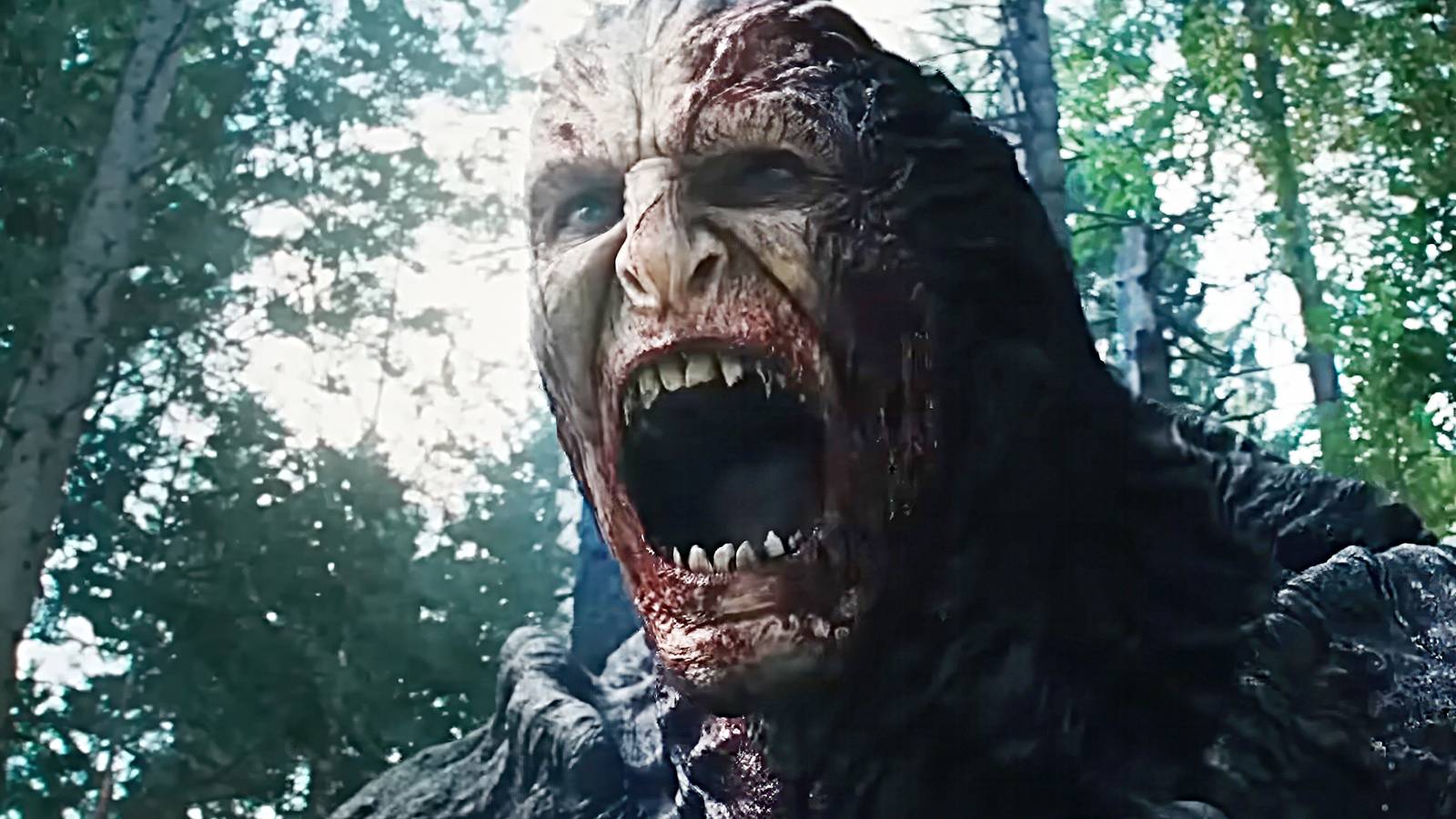
Enter The Boys. The series' shocking finale—which deviates wildly from the comics—offers a brutal counterpoint to Peter's journey. Where Peter learns he can be a hero without the suit, Homelander (Antony Starr) discovers he has no idea who he is without his powers. His entire identity is built on superiority: strength, speed, invulnerability. The moment that foundation crumbles, so does he.
Homelander never developed a moral framework independent of his abilities. He never learned compassion, sacrifice, or service. Strength was his personality because strength always got him what he wanted. When that advantage vanishes, there's nothing left underneath. Peter Parker loses the suit and remains a hero. Homelander loses his powers and struggles to remain himself. One uses power; the other is power. The difference is everything.
This contrast is why Tony Stark's quote remains so powerful. It asks a question that every superhero story—and every fan—should consider: Who are you when the power is gone? For Peter Parker, the answer is simple: he keeps helping people. For Homelander, the answer is terrifying: he's nothing.
If you're looking for more superhero stories that explore identity and sacrifice, check out our piece on why Prime Video Must Revive 'Silk: Spider Society' After 'Spider-Noir' Success. And for a deeper dive into flawed heroes, don't miss Why DC's 'Human Target' Remains Its Best TV Adaptation 16 Years Later.
Nine years later, Tony Stark's lesson hasn't aged a day. It's not just a quote about a suit—it's a reminder that real heroism isn't measured by what you have, but by who you choose to be when it's all taken away. Few characters embody that truth better than Spider-Man, and few quotes have ever explained it more clearly.