In the sprawling world of Westeros, dragons have always been the ultimate symbol of power. But while Game of Thrones introduced us to Daenerys Targaryen's trio of fire-breathing beasts, its prequel House of the Dragon has taken the dragon-rider dynamic to a whole new level. By giving each dragon a distinct personality and a deeply personal bond with its rider, the series has not only expanded the lore but also made the ongoing civil war far more emotionally resonant.
Dragons With Distinct Personalities
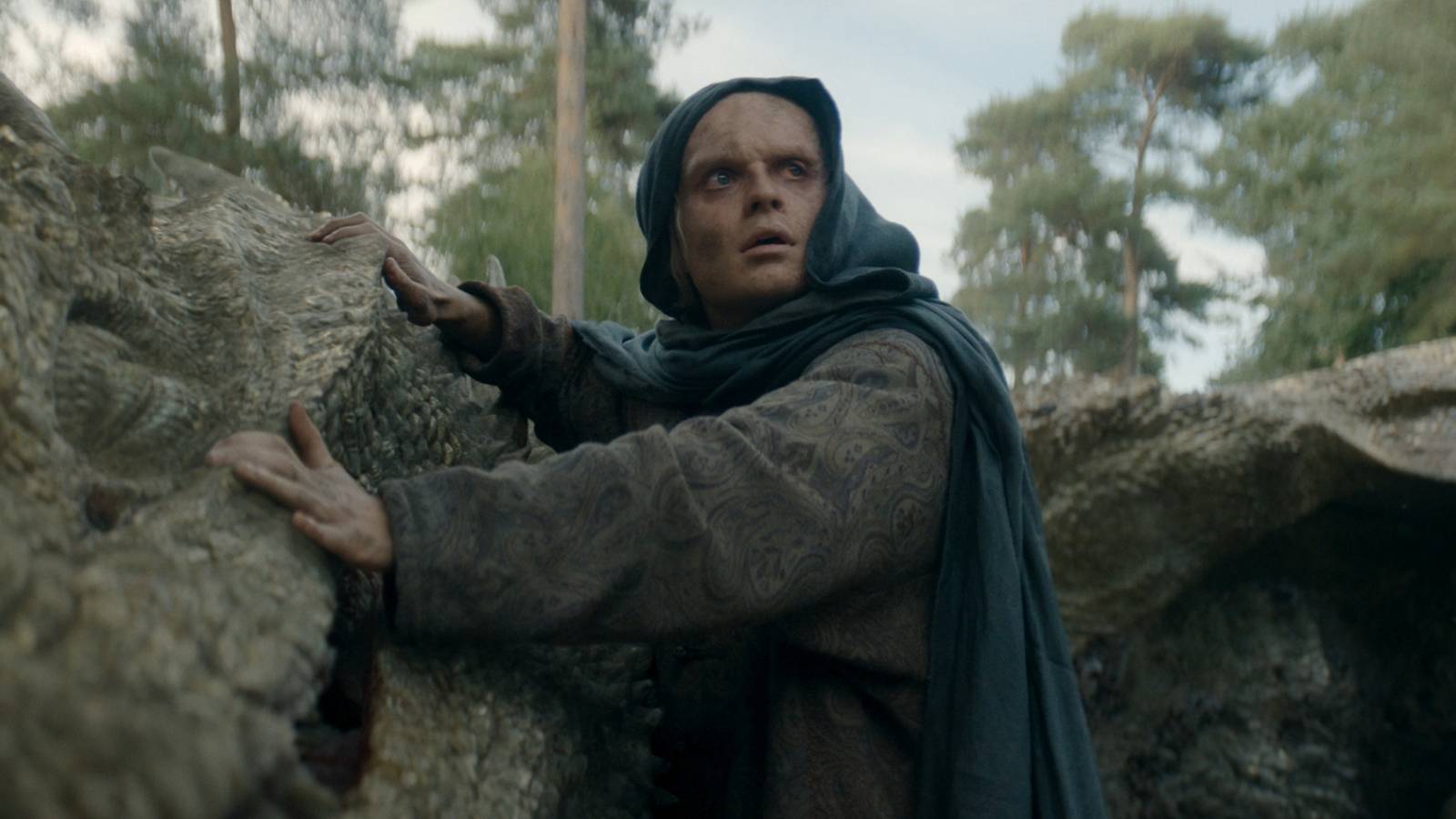
Unlike Game of Thrones, where Drogon dominated the spotlight while Rhaegal and Viserion felt interchangeable, House of the Dragon treats its dragons as individual characters. Vhagar is slow to anger but explosively violent, Caraxes is fiercely defiant, and Seasmoke has an almost puppy-like eagerness. Season 3, Episode 4, "Tumbleton," showcases this beautifully: Daemon's Caraxes faces off against Rhaena's newly claimed Sheepstealer, whose volatile yet protective nature shines as he shields her from perceived threats. Meanwhile, Tessarion demonstrates unwavering loyalty to Daeron by guarding him from Ormund. These moments prove that no two dragons are alike, making each encounter unpredictable and thrilling.
The Rider-Dragon Bond
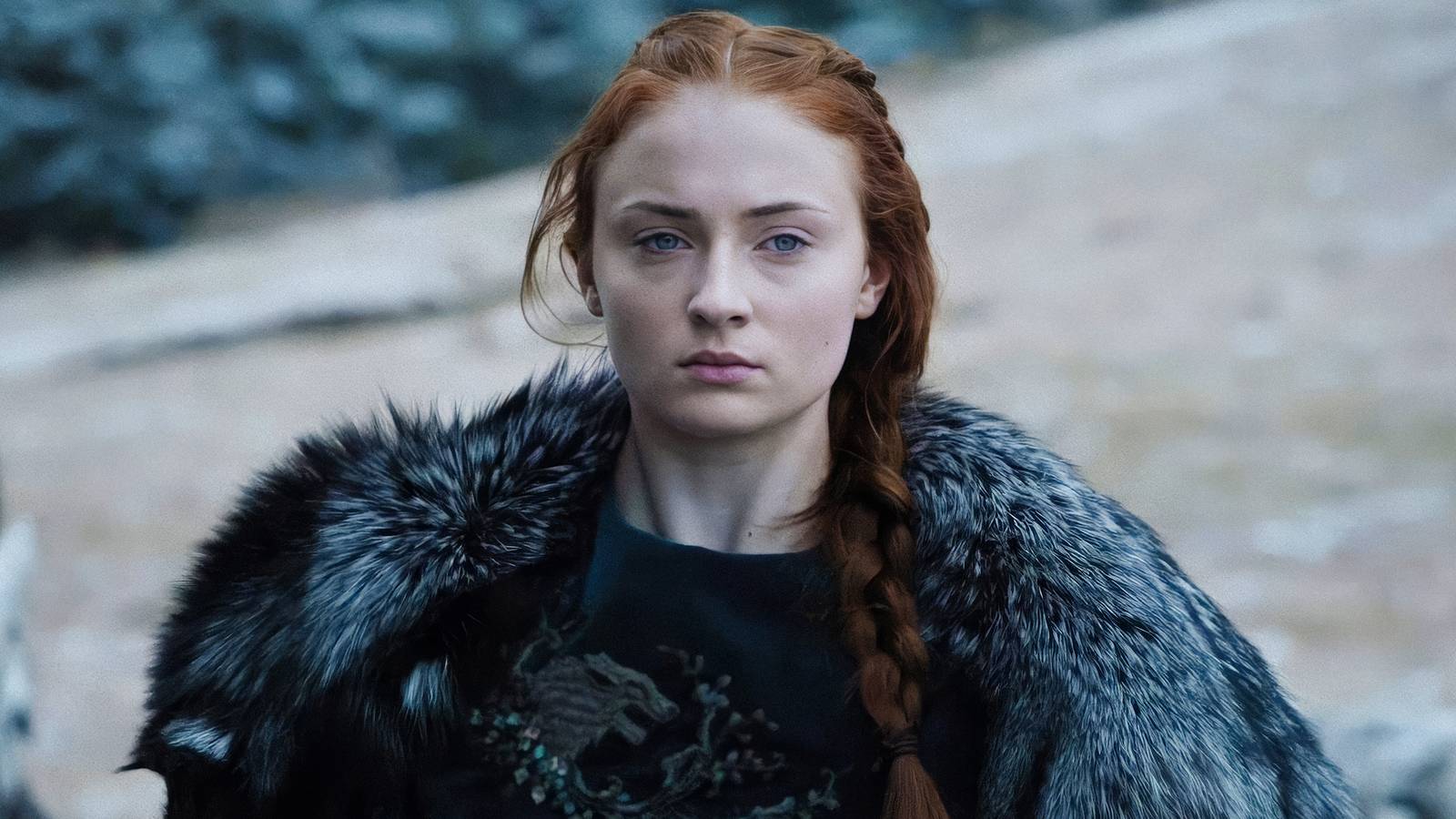
Beyond personality, House of the Dragon delves into the mystical connection between dragon and rider. From Aemond claiming Vhagar in Season 1 to the Red Sowing, the show emphasizes that this bond is not just about control—it's about mutual understanding. Rhaenyra's Syrax mirrors her emotions, Sunfyre radiates joy at seeing Aegon, and Caraxes often mirrors Daemon's aggressive tendencies. This shared temperament explains why dragons are so selective about their riders, adding depth to every partnership. In contrast, Game of Thrones only explored this bond with Daenerys and Drogon, leaving Jon's brief ride on Rhaegal feeling hollow.
This richer portrayal makes the stakes of the Dance of the Dragons feel more personal. When a dragon falls, it's not just a loss of a weapon—it's the death of a character with its own history and relationship. For fans of epic fantasy, this evolution is a welcome change, and it's one reason why House of the Dragon has become a standout in the genre. If you're looking for more fantasy that pushes boundaries, check out 3 Fantasy Films That Unironically Outshine The Lord of the Rings.
Why It Matters for the Series
With roughly five times more dragons than its predecessor, House of the Dragon had the challenge of making each one memorable. It succeeded by focusing on the rider-dragon bond, which not only enhances the action but also deepens character arcs. Daemon's journey, for instance, is intertwined with Caraxes' wild nature, as explored in How House of the Dragon's Daemon & Rhaena Rewrite Deepens His Fatherhood Arc. This attention to detail elevates the series beyond mere spectacle, making it a must-watch for anyone who loves character-driven fantasy.
While Game of Thrones laid the groundwork, House of the Dragon has perfected the art of dragon storytelling. By giving these creatures agency and emotion, the show has created a world where the bond between human and beast is as compelling as the political intrigue. For fans craving more epic tales, Timeless Magic: 7 Classic Fantasy Novels You Need to Read in 2026 offers a treasure trove of adventures.