In the ever-evolving landscape of television, some stories possess a rare staying power. War dramas, in particular, face a unique challenge: to capture the chaos and humanity of conflict in a way that transcends their era. While countless series fade into obscurity, a select few have not only endured but have grown richer with time. These are the productions that continue to captivate, educate, and move audiences decades after their final episodes aired.
6. The Winds of War (1983)
This sweeping miniseries, adapted from Herman Wouk's novel, immerses viewers in the global upheaval of World War II through the intertwined lives of the Henry and Jastrow families. Its genius lies in its intimate scale against a backdrop of monumental historical events. By focusing on personal relationships and civilian experiences, The Winds of War illustrates how conflict permeates every facet of existence. The production values and emotional depth ensure it remains a compelling and poignant watch, proving that a human-centered approach to history never goes out of style.
5. Tour of Duty (1987–1990)
As one of the first major series to grapple with the Vietnam War on television, Tour of Duty broke new ground. It brought the visceral reality of jungle combat and the war's profound moral complexities into living rooms, earning critical acclaim including an Emmy Award. The show's enduring strength is its unflinching look at a divisive conflict and its exploration of the soldiers' psychological turmoil. Its anti-war sentiment and reflection of contemporary public disillusionment feel startlingly relevant, making it a timeless companion to essential war stories across all media.
4. Combat! (1962–1967)
Widely regarded as a pioneer of the war drama genre, Combat! set a high bar with its depiction of an American infantry squad in WWII France. For its time, the scale of its battle sequences was unprecedented on the small screen. Beyond the action, the series delivered character-driven stories that explored courage, fear, and camaraderie under extreme pressure. The raw, gritty portrayal of frontline life retains its power to engage and impress, showcasing a level of craftsmanship that ensures its place in the pantheon of television classics.
3. Roots (1977)
While not exclusively a war series, Roots uses the backdrop of the American Civil War to tell a foundational and harrowing story about slavery. Its seismic impact upon release cannot be overstated; it forced a national conversation about a brutal history often sanitized in textbooks. The miniseries' unflinching narrative and emotional force have only magnified over time. It stands as a crucial, devastating work of historical reckoning, its lessons on the human cost of oppression and the fight for freedom perpetually vital. It shares the enduring quality of other landmark productions from the 20th century that reshaped cultural discourse.
2. M*A*S*H (1972–1983)
M*A*S*H masterfully used satire and comedy as a lens to examine the absurdity and tragedy of war, specifically the Korean War. The staff of the 4077th Mobile Army Surgical Hospital used humor as a survival mechanism, creating a unique tonal blend that could deliver laugh-out-loud moments alongside profound pathos. This balance is the key to its immortality. The show's critiques of bureaucracy, its deep humanity, and its exploration of finding light in darkness resonate as strongly today, proving that sometimes, laughter is the most powerful way to reveal hard truths.
1. Band of Brothers (2001)
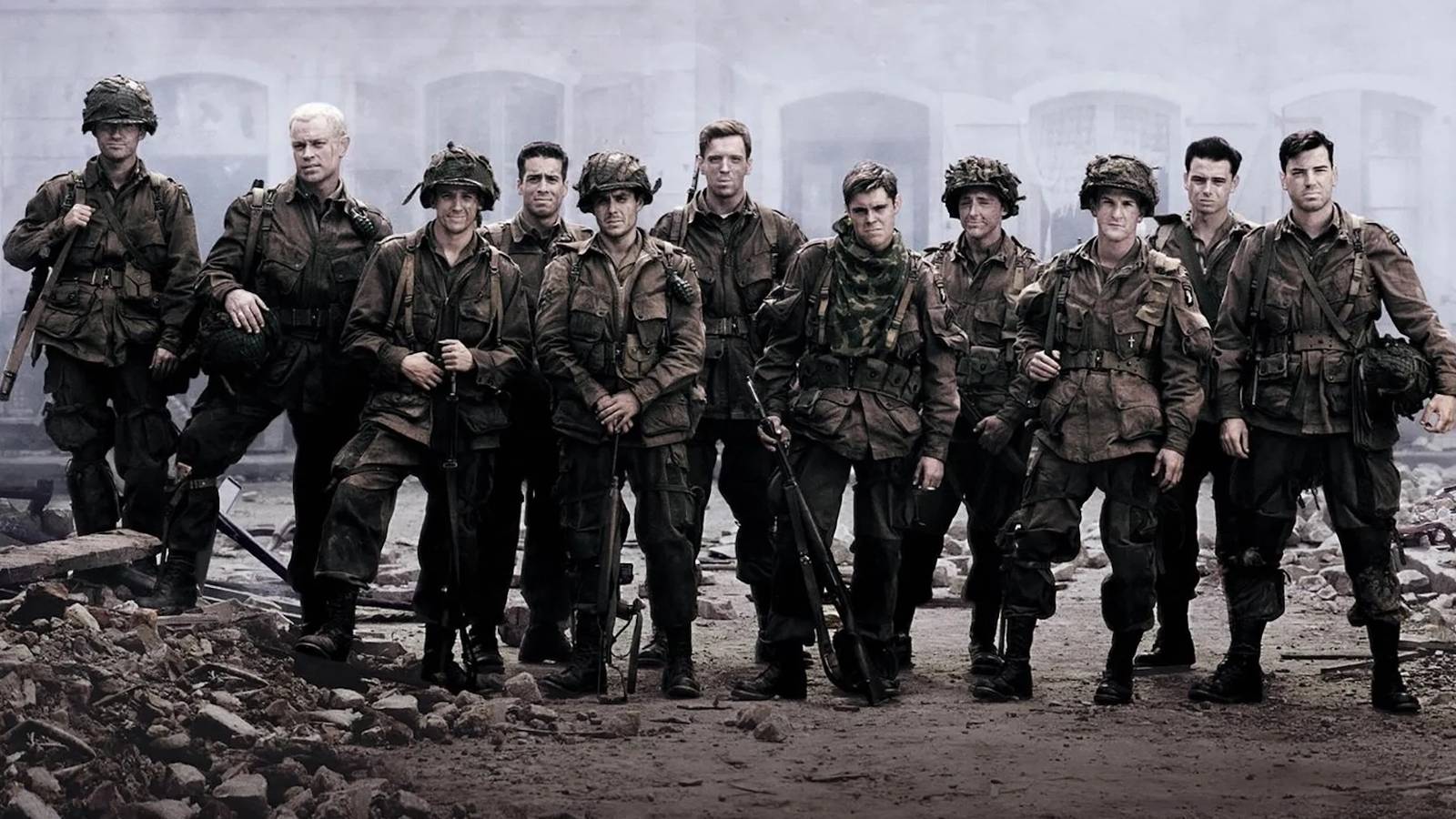
Although the newest entry on this list, Band of Brothers has already cemented its status as a timeless classic. This meticulously researched miniseries follows Easy Company from training through D-Day and to the end of WWII. Its documentary-style realism, combined with deeply personal storytelling based on real veterans' accounts, creates an immersive and profoundly respectful tribute. The series doesn't glorify war but honors the extraordinary bonds forged in extraordinary circumstances. Its technical excellence and emotional authenticity ensure it will continue to be the gold standard for war narratives for generations to come.
These series demonstrate that great television about war does more than depict battles; it explores the indelible impact of conflict on the human spirit. They succeed not through spectacle alone, but through timeless themes of sacrifice, resilience, and the fragile nature of peace. Their ability to connect with new audiences years later is a testament to their outstanding artistry and the universal truths they capture—lessons as crucial now as ever.