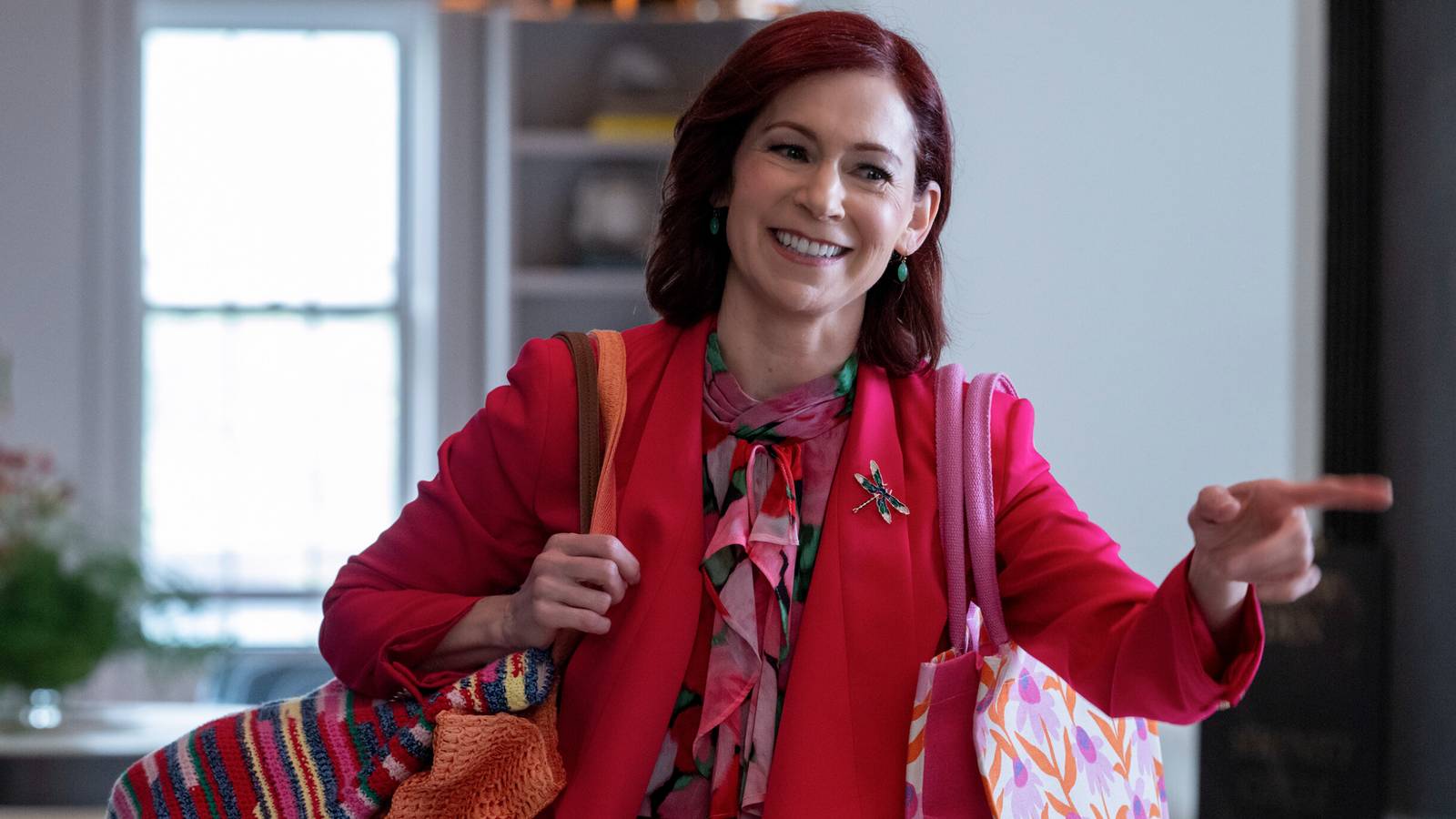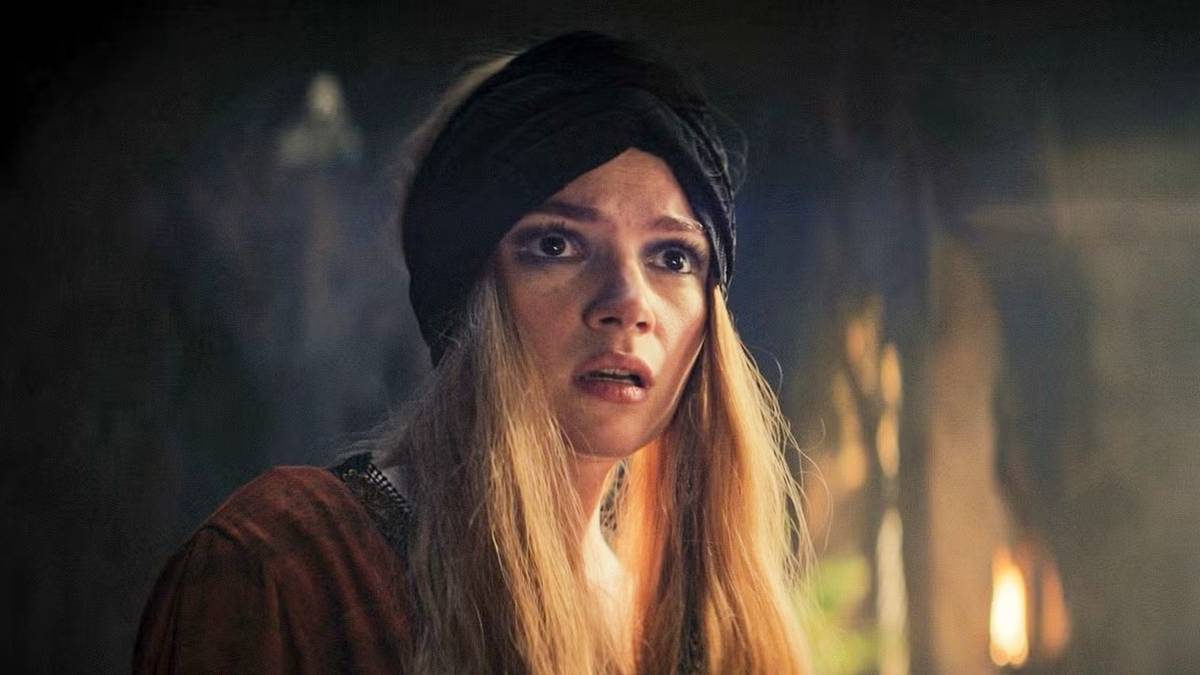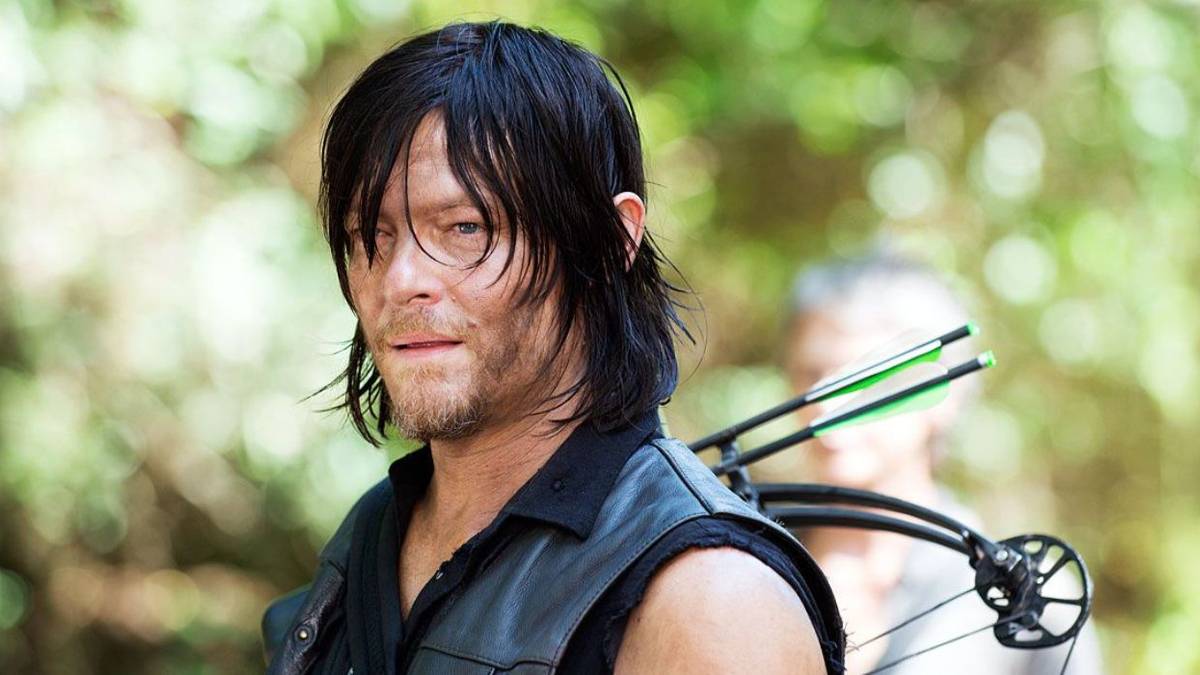
When The Walking Dead first aired on AMC in 2010, it was an instant cultural phenomenon. Based on Robert Kirkman's graphic novels, the show masterfully blended zombie horror with human survival drama. For years, it was must-see TV, sparking Monday morning watercooler debates. But as seasons wore on, ratings slipped. By the time the original series ended, it had lost its grip on the zeitgeist. Still, the franchise proved profitable enough to spawn multiple spin-offs. Now, with two of those shows—The Walking Dead: Dead City and The Walking Dead: Daryl Dixon—set to return and possibly conclude in 2026, the time is ripe for a major overhaul.
Spin-offs Running on Empty
Both Dead City and Daryl Dixon debuted in 2023 to decent buzz. Dead City forced former enemies Negan (Jeffrey Dean Morgan) and Maggie (Lauren Cohan) to team up in a post-apocalyptic New York. Daryl Dixon stranded Daryl (Norman Reedus) in France, later reuniting him with Carol (Melissa McBride) in Season 2. But by 2026, these stories have stretched beyond their natural endpoints. Dead City Season 2 saw Maggie return to New York after leaving, while Negan devolved into a mopey figure. Daryl Dixon kept separating its beloved duo for manufactured drama. The result? Two shows that are spinning their wheels, hurting the legacies of these iconic characters.
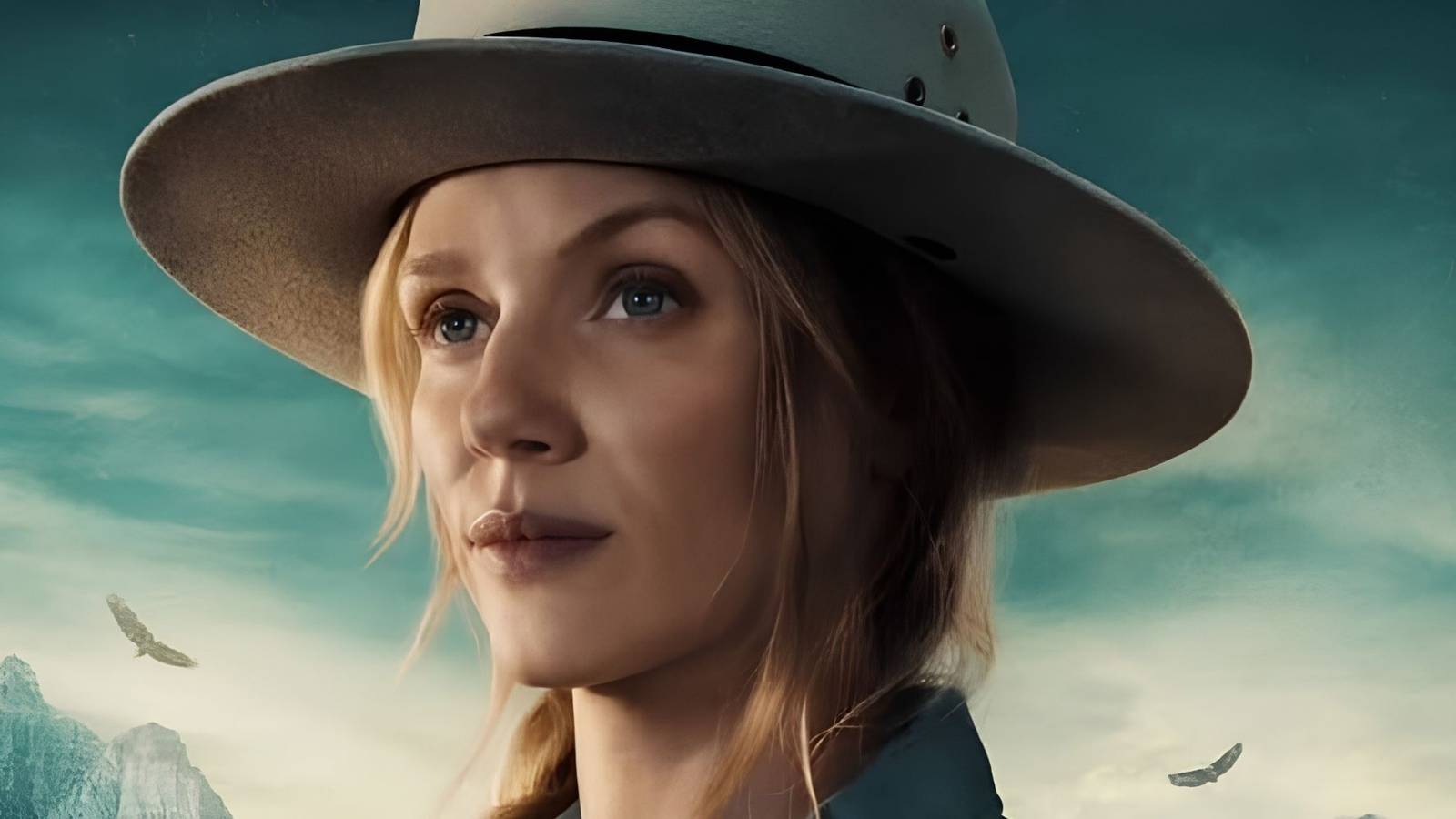
Meanwhile, The Walking Dead: The Ones Who Live—which followed Michonne (Danai Gurira) and Rick (Andrew Lincoln)—told a complete six-episode story and wisely ended. That restraint is exactly what the franchise needs more of.
Learning from Resident Evil
The upcoming Resident Evil film reboot, directed by Zach Cregger (Barbarian), offers a blueprint. Cregger has promised a story that respects the game's lore but introduces new characters and original narratives. As he put it, “I’m not going to tell Leon’s story, because Leon’s story is told in the games. [Fans] already have that.” That philosophy—honoring the world while moving beyond familiar faces—is exactly what The Walking Dead needs.
Past attempts at fresh starts have faltered. Fear the Walking Dead began promisingly with new characters but eventually crossed over with the original series, losing its identity. The Walking Dead: The World Beyond (2020) set a decade after the outbreak but failed to connect. The lesson: a true reset requires a clean break.
A Return to Horror Roots
The franchise's next chapter should go back to basics: a new cast, a new setting, and a renewed focus on horror. No more fan-service crossovers or drawn-out arcs for legacy characters. Instead, drop viewers into the early days of the apocalypse, following strangers as they learn to survive. This approach worked for the original series and could reignite interest among lapsed fans.
Other long-running franchises have shown the value of reinvention. For instance, BBC Reboots Hercule Poirot proved that a classic character can thrive with a fresh take. Similarly, Yellowstone's expansion demonstrates how to build a universe without losing focus. The Walking Dead can learn from these examples.
After 2026, the franchise has a chance to shed its baggage and reclaim its place as a horror powerhouse. It just needs the courage to start over.