Move over, Grey's Anatomy—there's a new medical drama phenomenon taking over streaming, and it's bringing a classic back from the archives. While HBO Max's The Pitt continues its chart-topping reign with its intense second season, another hospital drama is experiencing a remarkable renaissance. The groundbreaking series ER, which premiered over three decades ago, is suddenly finding itself back in the daily Top 10, proving that great television truly is timeless.
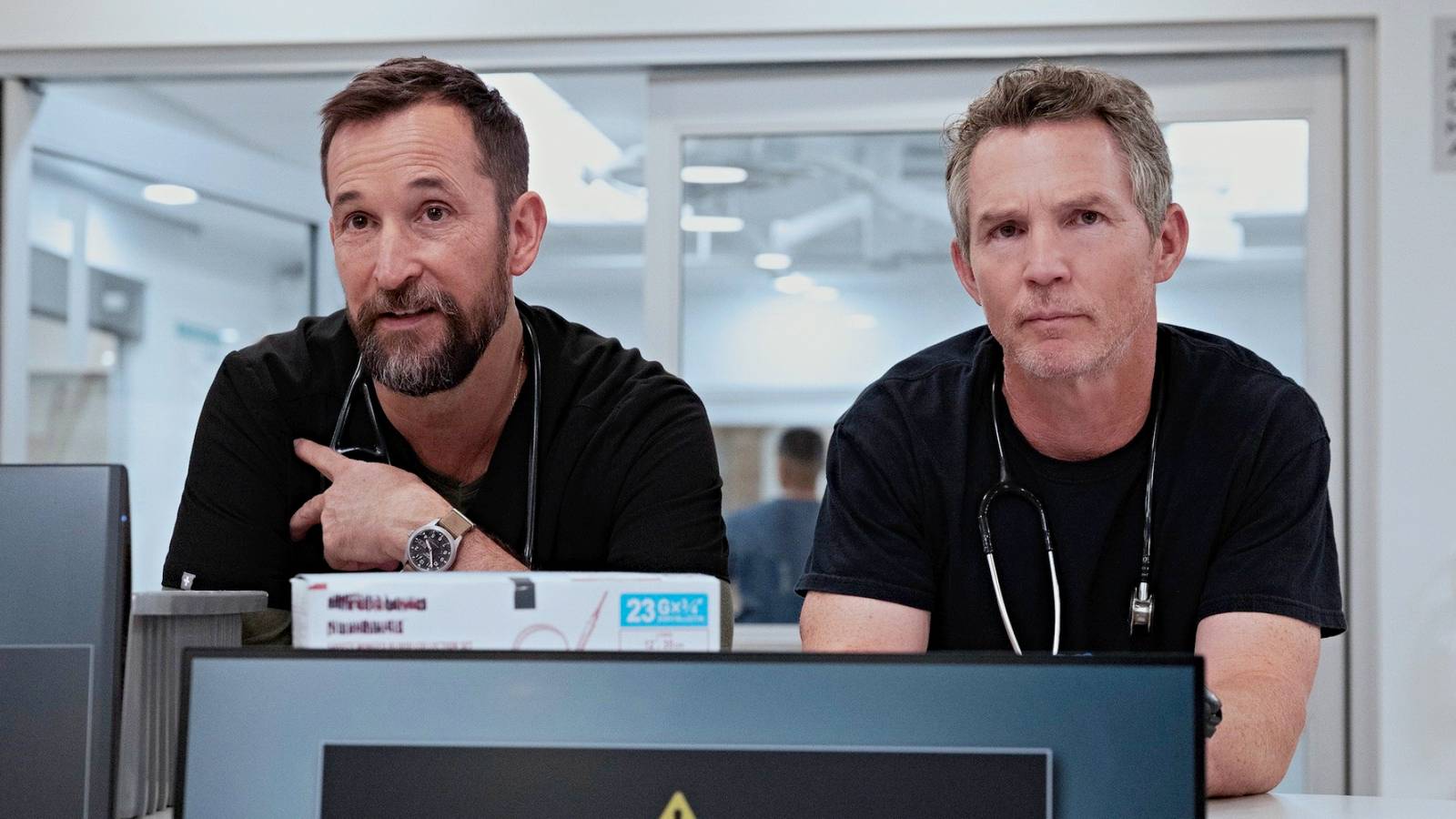
For those who've been living under a rock since January, The Pitt has become television's word-of-mouth sensation. The show's real-time format following Pittsburgh Trauma Medical Center staff through a chaotic Fourth of July has captured millions of viewers who appreciate its raw intensity and character-driven storytelling. What began as a slow-burn success story has exploded into one of the year's biggest television events, demonstrating that audiences still crave sophisticated medical drama when it's executed with precision and heart.

The Original Blueprint Returns
What many newer The Pitt fans might not realize is how much they owe to the series currently sitting at #10 on HBO Max's charts. ER, created by Michael Crichton, didn't just set the standard for medical dramas when it premiered in 1994—it completely redefined what primetime television could accomplish. Before there was Grey's Anatomy or Chicago Med, there was Cook County General Hospital, where viewers first experienced the unflinching realism that would become the genre's hallmark.
The connections between the two shows run deeper than just their emergency room settings. Noah Wyle, who portrays the experienced Dr. Michael "Robby" Robinavitch on The Pitt, began his television career as the fresh-faced Dr. John Carter on ER. Behind the scenes, the creative DNA is even more pronounced: The Pitt was created by former ER producer R. Scott Gemmill and is produced by John Wells, who served as showrunner for ER's first six seasons. This isn't just coincidence—it's television lineage.
Why ER Still Resonates
Watching ER today reveals why it remains essential viewing. The series balanced devastating medical cases with deeply human stories, following characters not just through hospital corridors but into their personal lives and homes. From Anthony Edwards' steady Dr. Mark Greene to George Clooney's charismatic Dr. Doug Ross (before he became a Hollywood A-lister), the show created characters who felt authentically human—flawed, vulnerable, and heroic in equal measure.
The series wasn't afraid to tackle difficult subjects either. In its very first episode, Nurse Carol Hathaway (Julianna Margulies) is brought into the hospital after a suicide attempt—a bold narrative choice that established ER as television willing to confront mental health with nuance and compassion. This commitment to character development over fifteen seasons created investment that few shows have matched, making moments like Greene's eventual departure or Carter's evolution from rookie to veteran profoundly impactful.
While some might argue the show stretched its premise thin in later seasons (helicopter accidents became something of a running joke), ER always maintained its core values: honoring healthcare workers, treating patients with dignity, and delivering edge-of-your-seat drama. Standout episodes, like a Season 1 installment where Greene makes a fatal error during a delivery, demonstrated the show's ability to balance shocking moments with devastating realism.
For fans looking to explore more classic television experiencing modern revivals, consider checking out our piece on why M*A*S*H remains the ultimate binge-watch decades after its premiere. Similarly, the streaming resurgence of beloved shows isn't limited to dramas—as evidenced by Bryan Cranston's return in the Malcolm revival.
The current streaming charts tell a compelling story about television's evolution and enduring appeal. As The Pitt demonstrates what modern medical drama can achieve with its real-time format and contemporary sensibilities, ER reminds us of the foundational work that made such innovation possible. Both shows now thriving on HBO Max creates a perfect gateway for viewers—those who love The Pitt can trace its creative lineage, while longtime ER fans can appreciate how the genre has evolved.
In an era of endless streaming options, this dual success proves that quality storytelling transcends generations. Whether you're discovering Cook County General for the first time or revisiting it with nostalgic affection, there's never been a better moment to appreciate how emergency room drama has healed, challenged, and entertained audiences for over thirty years—and shows no signs of needing resuscitation.