There's a moment in The Man Who Shot Liberty Valance that lingers long after the credits roll—a line so potent it has become the film's defining legacy. Delivered by a small-town newspaper editor, "When the legend becomes fact, print the legend" isn't just a clever quip; it's a thesis on how America mythologizes its past. Though the movie technically continues with a brief train scene, the collective memory of audiences treats this line as the true ending, and for good reason. It encapsulates the film's entire message about the power of storytelling and the uncomfortable truths we choose to ignore.
A Coda for the Western Genre
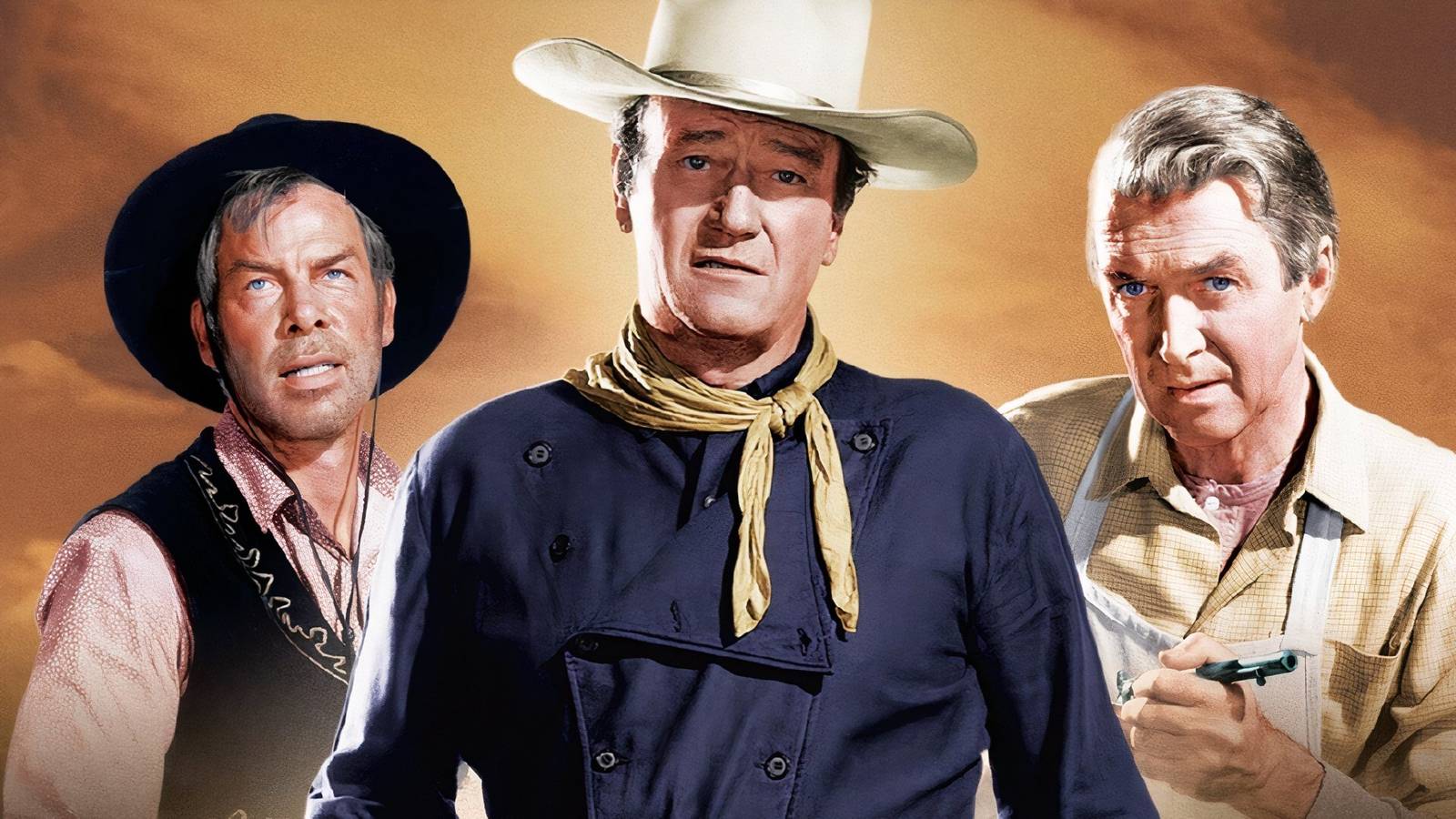
Directed by the legendary John Ford, The Man Who Shot Liberty Valance stars Jimmy Stewart as Ransom Stoddard, a senator who returns to the town of Shinbone to attend the funeral of Tom Doniphon (John Wayne). Through flashbacks, we learn that Stoddard was once a naive lawyer who supposedly gunned down the ruthless outlaw Liberty Valance (Lee Marvin). But the truth, revealed in a confession to the local press, is that Doniphon actually fired the fatal shot from the shadows. When the editor, Maxwell Scott (Carleton Young), hears this, he famously declares, "This is the West, sir. When the legend becomes fact, print the legend."
Ford, a director known for his contradictions, used this film as a farewell to the classic Western. He simultaneously celebrated and deconstructed the genre's myths, much like he did in earlier works such as The Searchers and She Wore a Yellow Ribbon. These films often portrayed Native Americans in stereotypical ways while also exposing the dark underbelly of American expansion. Liberty Valance takes this duality further, using familiar tropes—the noble idealist, the villainous outlaw, the incompetent sheriff, and the wistful love interest (Vera Miles)—to lull viewers into a sense of comfort before delivering a scathing critique of the very myths it presents.
The Line That Changed Everything
Since that iconic moment, Westerns have been expected to be revisionist. Modern classics like The Wild Bunch and Unforgiven owe a debt to Ford's cynical masterpiece. The genre, once a vehicle for glorifying the frontier, now grapples with the darker realities of history. The line "print the legend" has become a shorthand for the media's role in shaping public perception, a theme that resonates just as strongly today as it did in 1962.
Ford's own career was a testament to this tension. He both perpetuated and critiqued the myths of the Old West, and Liberty Valance is his most explicit acknowledgment of that complicity. The film suggests that mythmaking is inevitable—that societies need heroes, even if they're fabricated. Ransom Stoddard, with his law degree and noble intentions, is exactly the kind of figure America loves to champion, even if his heroism is built on a lie.
In the end, The Man Who Shot Liberty Valance isn't just a great Western; it's a meditation on the nature of truth and the stories we tell ourselves. Its final line, though not literally the last, has become the definitive statement on the genre. As Ford himself might have said, sometimes the legend is more important than the fact.
For more on how classic films have shaped modern storytelling, check out our piece on high fantasy writing lessons or explore why another iconic final line still resonates. And if you're a fan of John Wayne, you might be interested in Kevin Costner's Horizon finally hitting streaming.