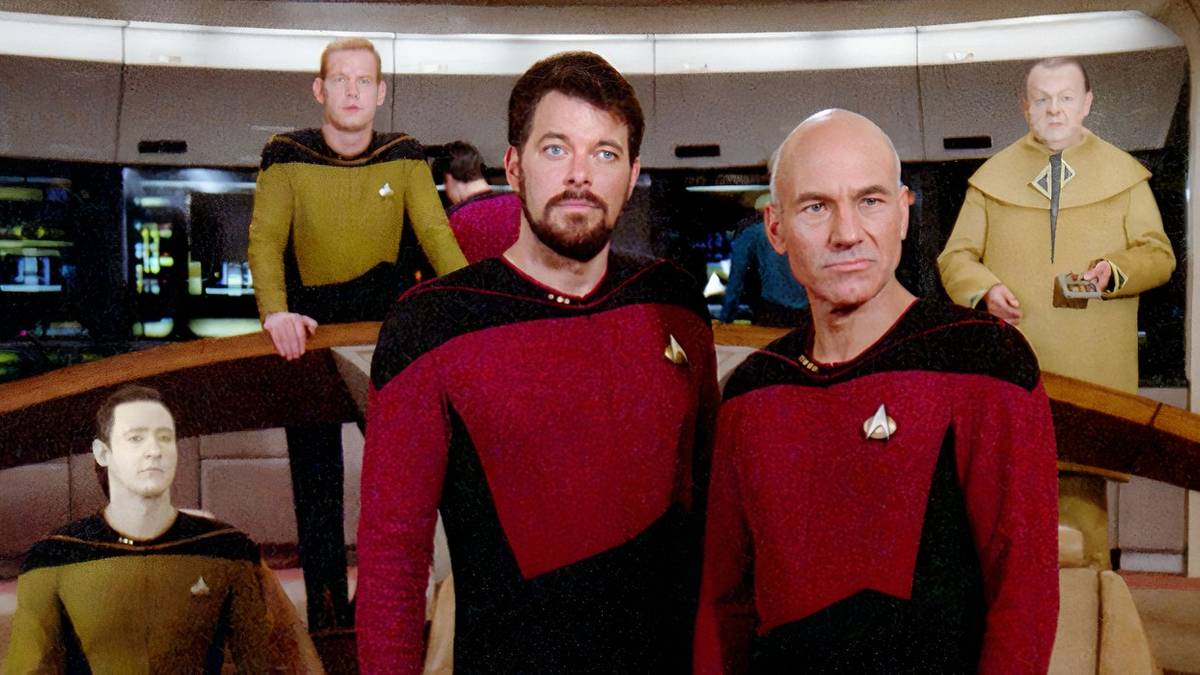
When Star Trek: The Next Generation first aired, it was still finding its footing. The early seasons were a mixed bag, with episodes ranging from forgettable to outright bizarre. But one installment, "Skin of Evil," stands out not for its quality, but for its lasting impact. It marked the abrupt and unceremonious death of Tasha Yar, a character who would become more famous for her exit than her time on the bridge.
Denise Crosby, who played Tasha, had grown frustrated with the lack of depth in her character. She asked to leave the show, and creator Gene Roddenberry agreed, but with a twist: instead of a quiet departure, Tasha would die in the line of duty. The result was a death that felt almost dismissive, a stark contrast to the heroic sacrifices typical of the franchise.
In "Skin of Evil," Tasha is killed by Armus, a malevolent entity made of sludge, while trying to rescue the kidnapped Counselor Troi. The episode itself is often criticized for its sluggish pacing and lack of tension, but the death itself was a bold move. At the time, no major character from The Original Series had died permanently, so Tasha's demise was a shock to audiences.
Roddenberry's rationale was that a security officer's death should be sudden and without fanfare, reflecting the dangers of the job. But this realism clashed with the optimistic tone of the show, creating a dissonance that fans and critics alike noted. Yet, despite its flaws, the episode had far-reaching consequences that would shape the series in unexpected ways.
One of the most significant ripple effects was on Worf, who took over as chief of security. This promotion allowed the show to explore Klingon culture in depth, turning Worf into one of the franchise's most beloved characters. Tasha's brief relationship with Data also left a mark, giving the android his first taste of human emotion, a theme that would become central to his arc.
But Tasha's story didn't end with her death. Crosby returned in the acclaimed episode "Yesterday's Enterprise," which offered a poignant alternate timeline where Tasha's fate was different. This episode not only restored her agency but also gave her a heroic send-off that honored her character. Crosby later came back as Sela, Tasha's half-Romulan daughter, a twist that added layers to the legacy.
While Tasha's death was mishandled, it inadvertently unlocked the rich storytelling potential that Crosby had sought. Her character's journey, from a security chief with a mysterious past to a symbol of sacrifice, is a testament to the show's evolution. The emotional weight of her farewell, delivered through a pre-recorded message to her crewmates, remains one of the series' most touching moments.
In hindsight, "Skin of Evil" was a turning point for The Next Generation. It proved that the show was willing to take risks, even if they didn't always pay off. And while Tasha's death was controversial, it paved the way for the deeper character development and bold storytelling that would define the series. For more on how deaths shape TV shows, check out our piece on Ned Stark's iconic exit.
As we look back on 38 years of Star Trek: The Next Generation, Tasha Yar's death remains a pivotal moment. It was a flawed episode that had a profound impact, proving that even the most questionable creative choices can lead to something greater. For fans of the franchise, it's a reminder that sometimes the end of an era is just the beginning of another.