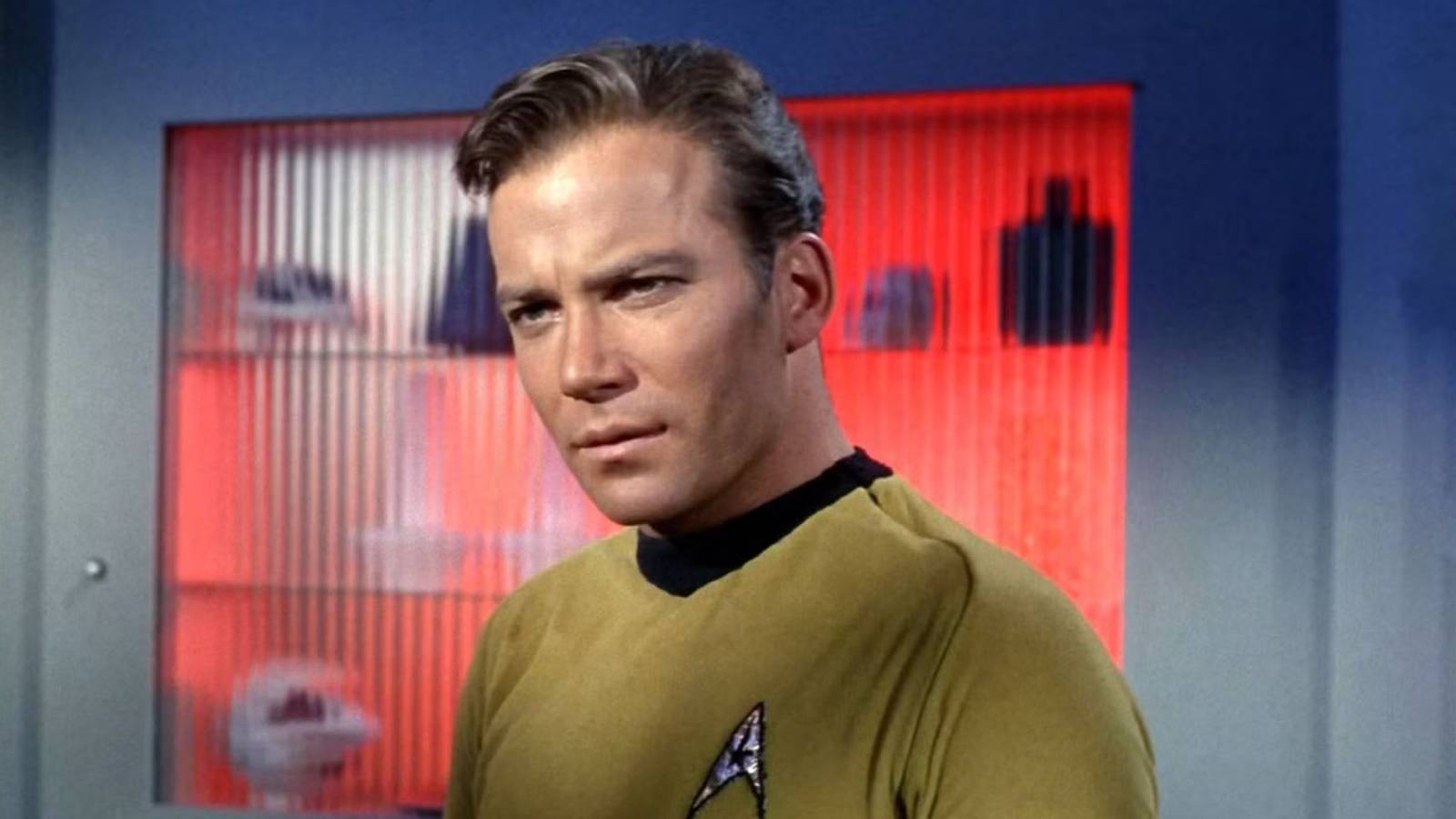
Gene Roddenberry's name is synonymous with Star Trek, a universe that has defined science fiction for generations. Yet, in the years following the original series' cancellation, the visionary creator was far from idle. He pitched numerous concepts, searching for that next great adventure. One of the most promising was The Questor Tapes, a 1974 TV movie pilot that not only captured his signature themes but was actually greenlit for a full series—only to vanish before a single episode aired.
The Android That Woke Up
The story begins with a mysterious genius, Dr. Emil Vaslovik, who vanishes after leaving behind revolutionary plans to build a superhuman android. An international team of experts assembles the being, but a critical error erases half of its programming instructions. Despite their best efforts, the android remains inert—until left alone. It then awakens, crafting a human appearance for itself and taking the name Questor (played by Robert Foxworth).
With a nuclear generator in his chest set to explode as a fail-safe, Questor has a limited time to find his missing creator. He enlists engineer Jerry Robinson (Mike Farrell), who worked with Vaslovik, on a global chase. Their journey takes them from England—where they get help from another of Vaslovik's associates, Lady Helena Trimble—and leads to a climactic discovery inside Turkey's Mount Ararat.
A Revelation of Cosmic Proportions
Inside a hidden cave, Questor and Robinson finally find Vaslovik and deactivate the deadly timer. The truth is then revealed: Vaslovik himself is an android, part of a ancient lineage left by unseen "Masters" to guide and protect humanity from the shadows. Their prime directive is profound in its restraint: "We protect, but we do not interfere. Man must make his own way."
Vaslovik, damaged by nuclear radiation, created Questor as his replacement. With his mission complete, Vaslovik peacefully deactivates, leaving Questor with a new purpose and a human companion in Robinson to help him understand the world he is sworn to safeguard. The ending perfectly set the stage for a series exploring an immortal, benevolent observer navigating a complex human society.
A Series That Almost Was
The Questor Tapes was part of a wave of post-Star Trek projects from Roddenberry, including Genesis II and Planet Earth. Unlike those, however, Questor's future looked bright. Before the pilot even aired, NBC had ordered 13 episodes, with Foxworth and Farrell contracted to return. It was poised to be Roddenberry's next major television creation, bridging the gap between the original Star Trek and what would eventually become The Next Generation.
Ultimately, the project collapsed due to irreconcilable creative differences between Roddenberry and the network executives. This story of a brilliant pilot that never led to a series is a familiar one in Hollywood lore, much like Pedro Pascal's unaired Wonder Woman pilot from 2011. It joins the ranks of unforgettable TV pilots that promised so much but, for various reasons, never got to fulfill their potential.
The Legacy of a Lost Android
Today, The Questor Tapes remains a fascinating "what-if" in sci-fi history. It embodies Roddenberry's enduring optimism and his fascination with non-human perspectives on humanity, themes that would later flourish in characters like Star Trek: The Next Generation's Data. The pilot itself has gained a cult following among fans who appreciate its thoughtful premise and the chemistry between its leads.
While the series never materialized, the pilot stands as a testament to Roddenberry's relentless creativity. It's a hidden gem for collectors of vintage sci-fi, a poignant reminder of the fragile alchemy required to turn a great pilot into a lasting series, and a compelling chapter in the story of the man who gave us the stars.