Long before Gal Gadot's lasso of truth cinematically defined the character for a generation, a radically different Wonder Woman was poised to hit television screens. In 2011, NBC commissioned a pilot that aimed to reboot the iconic superhero for a modern audience, featuring a then-lesser-known Pedro Pascal in a supporting role. This ambitious project, created by legal drama maestro David E. Kelley, promised a blend of superheroics, corporate intrigue, and moral complexity that ultimately proved too bold for its time.
A Wonder Woman for the Corporate Age
The pilot, starring Adrianne Palicki as Diana Prince, presented a version of the Amazonian princess unlike any seen before. This Wonder Woman wasn't just a crimefighter; she was the CEO of Themyscira Industries, a global corporation that actively managed and monetized her own superhero brand. Juggling boardroom battles with street-level justice, the show envisioned Diana operating from Los Angeles while maintaining a secret civilian identity simply to have a moment's peace. The premise baked in themes of branding, public image, and the commodification of heroism, creating a morally gray world where the lines between justice and vigilantism were frequently blurred.
This tonal mix—part legal drama, part corporate satire, part superhero action—felt ahead of its time. As Pedro Pascal later reflected, it was a "very, very risky and interesting take." The show's ambition is something we might expect from a prestige streaming series today, but in 2011, it represented a significant gamble for a broadcast network. This kind of high-concept, genre-blending storytelling was part of a wave of risky reboots that studios were experimenting with, similar to the creative reimagining seen in projects like Jack Black & Paul Rudd's 'Anaconda' remake.
Why NBC Passed on the Project
Despite its star power and creative pedigree, NBC officially passed on the pilot in May 2011. Several factors contributed to its demise. Early critical reactions were mixed at best, with reviewers pointing to tonal inconsistencies—shifting uneasily between serious drama and heightened superhero tropes. David E. Kelley himself later acknowledged the pilot had problems, though he believed they were fixable with more time.
A significant point of controversy was Wonder Woman's redesigned costume. Palicki's suit, which featured blue pants and a sleeker aesthetic, sparked immediate online backlash from fans who felt it strayed too far from the character's classic roots. Warner Bros. even made mid-production adjustments to the design, a move that rarely signals confidence. However, the core issue was likely timing. In 2011, the superhero TV landscape was barren compared to today. The Arrowverse hadn't launched, and streaming platforms hadn't yet reshaped audience appetites for complex, serialized comic book stories. A show this ambitious felt like a risk NBC wasn't ready to take.
Pedro Pascal's Role and Lasting Impact
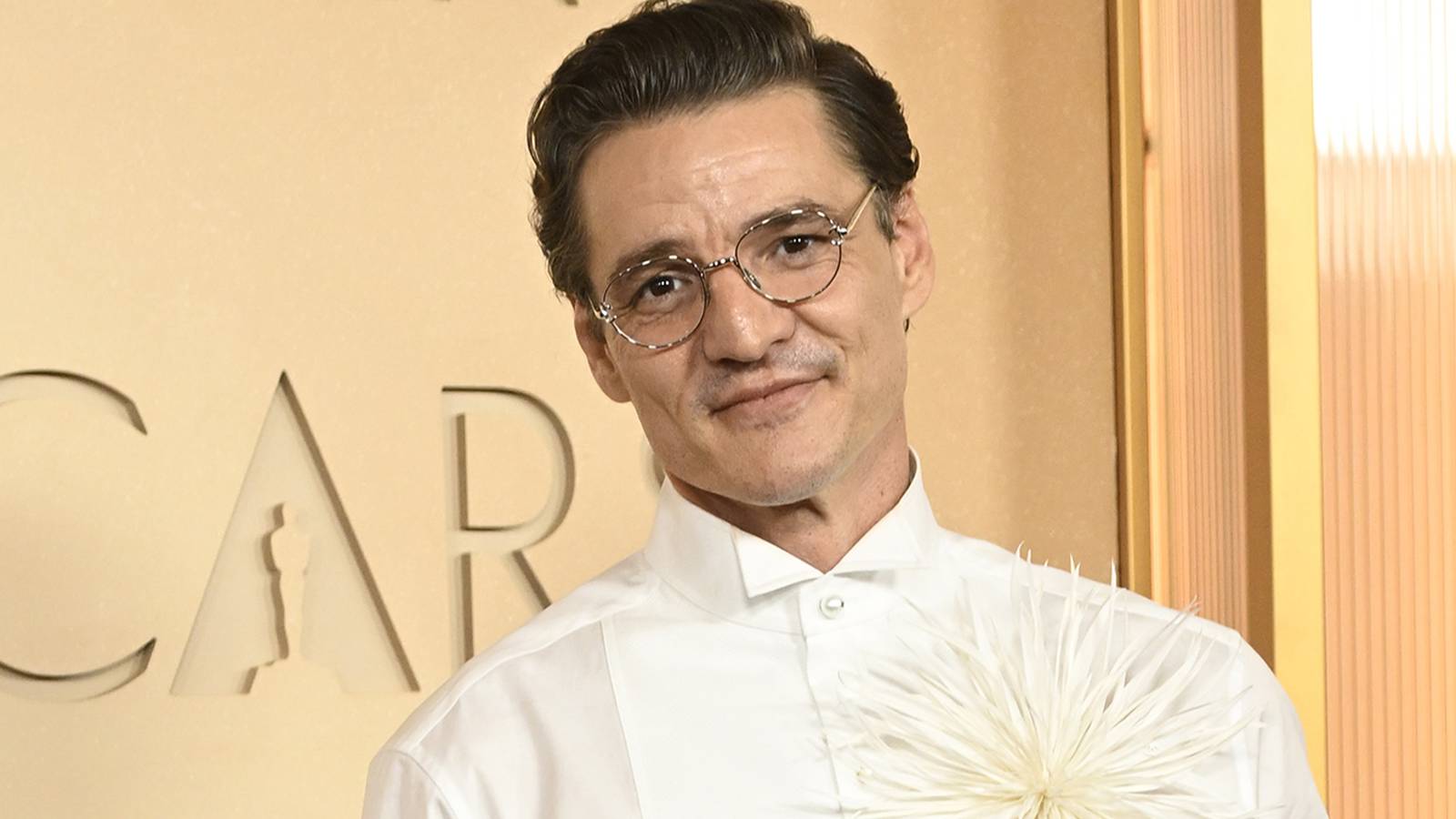
Pedro Pascal portrayed Ed Indelicato, a police liaison working with Wonder Woman. While not the central character, Indelicato served as a grounding force, injecting a dose of realism into the fantastical narrative. Pascal has spoken fondly of the experience, expressing his admiration for Palicki and Kelley and his devastation when the series wasn't picked up. This early career role came years before his star-making turns in Game of Thrones and The Last of Us.
The pilot's failure had ripple effects. Had it succeeded, it could have dramatically altered DC's television strategy, potentially preempting or changing the course of later hits like Arrow. Instead, the footage was relegated to online archives, a curious footnote in superhero history. Its ambitious attempt to deconstruct a hero through a corporate lens echoes the modern approach to reboots, much like the planned MCU's X-Men reboot aiming to forge a new path.
A Legacy of What Could Have Been
Today, the 2011 Wonder Woman pilot exists as a fascinating 'what if' in entertainment history. It represents a road not taken for the character, one that embraced complexity and modern satire over straightforward heroics. Adrianne Palicki speculated that if the show had been made just a year or two later, as the superhero TV boom began, it might have been "a shoo-in."
The project's bold vision now seems prophetic, aligning with today's appetite for nuanced superhero stories. Its failure highlights how quickly the entertainment landscape can change, and how concepts once deemed too risky can become the standard. As DC continues to evolve its characters under new leadership, with discussions about a future Wonder Woman reboot directed by a woman, the 2011 pilot remains a testament to the creative risks that sometimes fall just before their time.