Writing a great novel is tough. Writing a sequel that honors the original while pushing boundaries is even tougher. Too often, sequels just rehash the same ideas or exist because the first book sold well. But the best ones treat the original as a springboard, not a blueprint. They deepen themes, reward loyal readers, and take characters in bold new directions. Here are the greatest book sequels of all time, ranked.
10. World Without End (2007)
Ken Follett's World Without End returns to the fictional town of Kingsbridge, but two centuries later, with a fresh cast. As the Black Plague ravages England, we follow a web of characters whose lives intertwine through love, ambition, and political upheaval. Follett balances intimate drama with sweeping history, and the sequel feels more sophisticated than its predecessor. The moral dilemmas are richer, and the conflicts develop organically over decades. It's a rare sequel that improves on an already beloved classic.
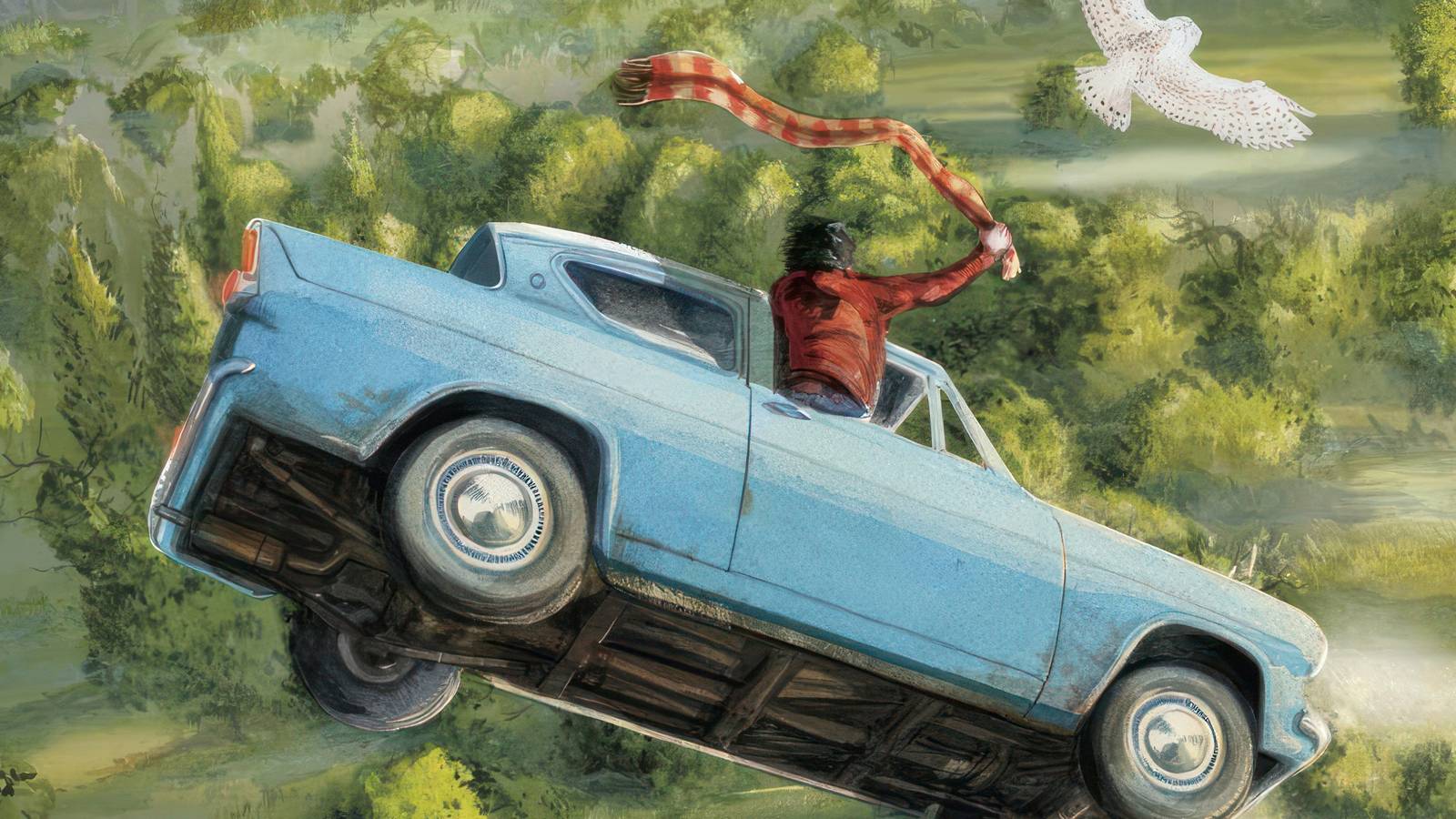
9. Harry Potter and the Chamber of Secrets (1998)
The second Harry Potter book adds a perfect dash of darkness to the whimsy of the first. When students start turning up petrified, Harry, Ron, and Hermione investigate the legendary Chamber of Secrets. Along the way, we learn about house-elves, Parseltongue, and the prejudice against Muggle-borns. The world-building is seamless, and the introduction of Tom Riddle's diary sets up crucial plot threads for the series. It's a sequel that expands the wizarding world while raising the stakes. For more on the series' momentum, check out these Harry Potter books that never lose momentum.
8. The Wise Man's Fear (2011)
Patrick Rothfuss's follow-up to The Name of the Wind is arguably even better. Kvothe's tale expands far beyond the University, introducing us to the decadent court of the Maer, the warrior society of the Ademre, and the surreal realm of the Fae. The world-building is breathtaking, and the prose remains lyrical. Though the series is unfinished, this sequel stands as a testament to Rothfuss's ambition and skill.
7. The Subtle Knife (1997)
Philip Pullman's The Subtle Knife introduces Will Parry, a boy from our world, who meets Lyra in a city that links countless realities. Their partnership is the heart of the trilogy, balancing Lyra's wild intuition with Will's protective pragmatism. The cosmic stakes feel deeply human, and the philosophical depth that made The Golden Compass a landmark is amplified here. It's a sequel that expands the story's scope while keeping the emotional core intact.
6. The Dark Forest (2008)
Liu Cixin's The Dark Forest takes the alien threat of The Three-Body Problem and turns it into a psychological thriller. The Wallfacer Project allows select individuals to devise secret plans against the Trisolaran invasion, leading to mind-bending explorations of physics and philosophy. The infamous "Droplet" scene is one of the most chilling military engagements in sci-fi. This sequel is a masterclass in high-stakes storytelling.
5. Doctor Sleep (2013)
Stephen King's sequel to The Shining follows a grown-up Danny Torrance, still haunted by his past. Now working at a hospice, he uses his psychic abilities to comfort the dying. But when he meets Abra, a young girl with similar powers, he must confront a cult that preys on children with the shine. Doctor Sleep is a poignant, terrifying, and ultimately hopeful story about redemption and found family. It's a rare sequel that honors the original while standing on its own.
4. The Two Towers (1954)
The middle chapter of The Lord of the Rings is often praised for its epic scope and character development. While the Fellowship is broken, we follow Aragorn, Legolas, and Gimli as they hunt for Merry and Pippin, while Frodo and Sam continue their perilous journey with Gollum. The Battle of Helm's Deep is a cinematic highlight, but the book's strength lies in its exploration of loyalty, temptation, and the cost of war. It's a sequel that raises the stakes and deepens the mythology.
3. The Last Argument of Kings (2008)
Joe Abercrombie's conclusion to The First Law trilogy is a brutal, brilliant sequel that subverts fantasy tropes. The characters we've come to love—or hate—are pushed to their limits as war engulfs the Union. Abercrombie's sharp dialogue and moral ambiguity make this a standout. It's a sequel that delivers on the promise of the first book while leaving a lasting impact.
2. The Great Hunt (1990)
Robert Jordan's The Wheel of Time series is a behemoth, and The Great Hunt is a standout sequel. It expands the world significantly, introducing new cultures and political intrigue. Rand al'Thor's journey takes him across the world, and the ending is a stunning climax. Jordan's world-building is unmatched, and this sequel sets the stage for the epic saga to come.
1. The Empire Strikes Back (1980)
Wait, that's a movie. But if we're talking about book sequels, the gold standard is The Empire Strikes Back—oh, but that's not a book. Let's refocus. The best book sequel of all time is arguably The Two Towers or The Dark Forest, but if we're looking at pure cultural impact, Harry Potter and the Chamber of Secrets is a strong contender. However, for sheer ambition and execution, The Wise Man's Fear and The Subtle Knife are masterpieces. Ultimately, the crown goes to The Dark Forest for its mind-bending ideas and emotional depth. It's a sequel that not only matches but surpasses its predecessor, setting a new bar for science fiction.
For more rankings, check out our list of the best medieval fantasy books or the best psychological thrillers.